


The best time to visit Brazil for most travelers is April to June or September to October. Those months usually bring comfortable temperatures, lower prices and fewer crowds in Rio, Salvador and the main sights. But Brazil is bigger than the contiguous United States, so the right month changes with your route.
Wildlife trips to the Pantanal peak in the dry months of July to October. The famous Lençóis Maranhenses lagoons are at their best from June to September. Beach weather and Carnival belong to the southern summer, roughly December to March. Use the table below to match your plans to a window, then read the month-by-month section for the details.
Best Time to Visit Brazil at a Glance
| If you want… | Aim for | Why |
|---|---|---|
| Rio sightseeing without extreme heat | April–June, September–October | Milder days, less humidity, shorter lines at viewpoints |
| Beach holidays in the Southeast and South | December–March | Warmest sea and longest days, but peak prices and crowds |
| Northeast beaches (Bahia, Pernambuco, Ceará) | September–March | Drier stretch for most of the coast; Salvador’s wettest months are roughly April–June |
| Pantanal wildlife | July–October | Dry season, so animals gather near water and trails are passable |
| Amazon | Any month, depending on water level | High water and low water offer different experiences |
| Lençóis Maranhenses lagoons | June–September | Lagoons are full and rain has mostly stopped |
| Iguazu Falls | March–May, September–November | Mild temperatures; the falls run year-round |
| Carnival | Late January to early March | The date moves each year with Easter |
| Lower prices and thinner crowds | April–May, late October–November | Shoulder season in most of the country |
If you can only pick one window for a first trip that mixes Rio, a beach stop and Iguazu, we recommend late April through May or September through October. Both avoid the worst heat and the highest prices.
How Brazil’s Seasons Work
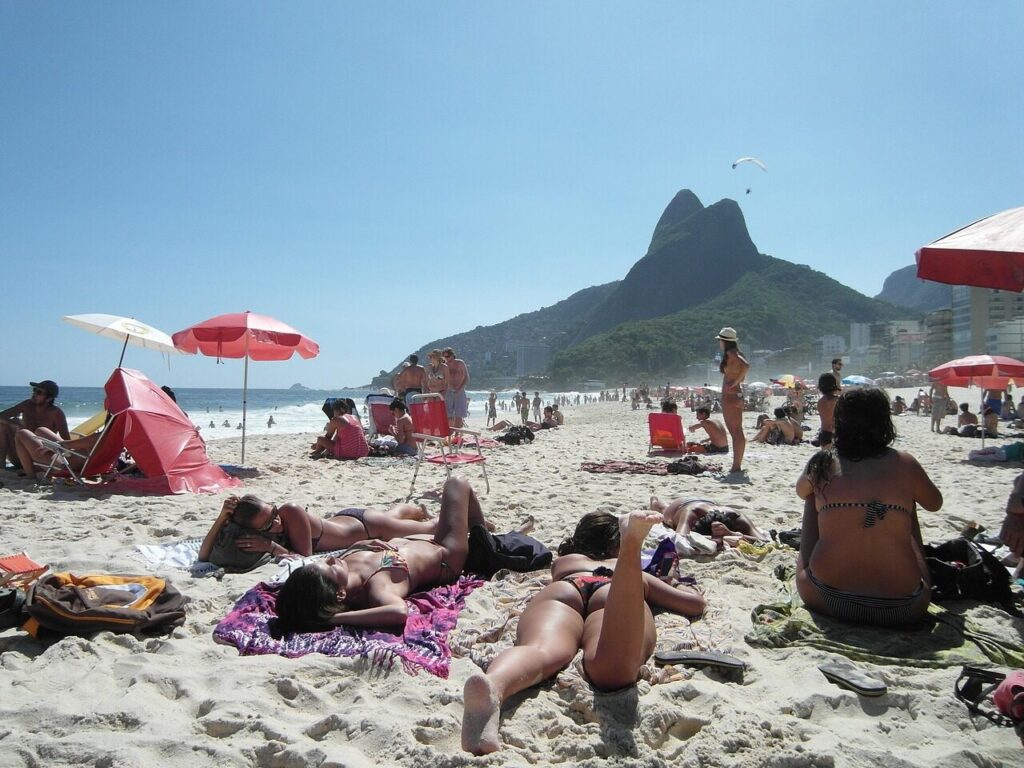
Brazil sits mostly in the Southern Hemisphere, so the seasons are the reverse of Europe and North America. Summer runs from December to March and winter from June to September, and heat and humidity rise as you go north. Winter in Rio still means beach days in a T-shirt. Winter in the southern highlands means a real coat.
The better way to think about Brazil is in wet and dry seasons, not hot and cold. The equatorial north has no true winter, and Manaus holds a fairly steady 27–29°C all year. What changes there is rainfall and river level. In the Southeast, rain concentrates in the hot months, with afternoon thunderstorms common from December to March.
Two other things shape your decision. Brazilian school holidays, especially in July and around Christmas to January, fill hotels and push up prices at domestic favorites. And the long weekend holidays, such as Tiradentes Day on April 21, bring local travelers to historic towns and beaches.
Month-by-Month Guide
These notes describe typical conditions. Weather varies from year to year, and the regional differences matter more than any single month label.
January
Peak summer. Rio, the Bahia coast and the southern beaches are hot, busy and expensive, and heavy showers are common in the afternoon. The Amazon and Pantanal are rainy now, so skip them. It is a good month for the coast if you accept the crowds.
February
Hot, humid and often Carnival month, though the festival sometimes slides into early March. Book flights and rooms many months ahead if your dates overlap with it. Outside Carnival week, February is still a beach month with the usual storms.
March
Crowds thin after Carnival, and the heat stays. Rain gets heavier along the northern and northeastern coast, including around Recife and parts of Bahia. For Rio, São Paulo and the south, it is still a solid month with better prices than January.
April
This is a shoulder month with Easter and Tiradentes holidays that can bring short spikes in demand. Temperatures ease in the Southeast and the humidity drops. One tour operator singles out April or October as ideal for great weather and fewer crowds, and we agree for Rio, Paraty and Iguazu.
May
One of the most underrated months. Rio is cooler and clearer, prices are lower, and the Pantanal’s floodwaters begin to fall. Lençóis Maranhenses is a good-value choice, since lagoons are typically full but showers can linger early in the month.
June
The dry season begins across much of the country. Lençóis Maranhenses is in its prime, and the Northeast celebrates the Festas Juninas around São João on June 23–24, with bonfires, quadrilha dancing and corn-based treats. Nights in the south turn properly cold.
July
Wildlife travelers arrive for the Pantanal’s dry season. It is also the main Brazilian school holiday, which makes July the busiest month at Lençóis Maranhenses. Rio has sunny, mild days, and mountain towns such as Gramado feel wintry.
August
Dry, clear and good for almost every inland destination. The Pantanal is excellent, and kitesurfing around Lençóis Maranhenses runs from July to December. Whale-watching season starts along parts of the Bahia coast in late winter, and river levels in the Amazon begin to fall.
September
Spring arrives, and September is arguably the single best all-rounder. Rio warms up without the summer humidity, the Pantanal stays dry, and Lençóis Maranhenses still has water, though the lagoons begin to lower. Book early for the lagoons: travelers are advised to reserve two to three months ahead for August and September.
October
Another shoulder-season favorite for Rio, Salvador and the south. In the Pantanal, the first rains start to arrive and the heat builds. At Lençóis, the water drops from October, and by late in the year many lagoons are gone.
November
A good month for the Southeast and South before the December rush, with lower prices in most places. Lençóis Maranhenses is a poor choice now. The Amazon and the Pantanal head into their wetter season, and rain becomes more frequent in the Southeast by month’s end.
December
Summer returns, and so do high prices. Rooms in Rio, Florianópolis, Bahia and Fernando de Noronha fill up for Christmas and New Year’s Eve, and Copacabana hosts one of the country’s biggest outdoor Réveillon parties. Plan and book early, or travel in the first half of the month.
Best Time for the Pantanal and the Amazon
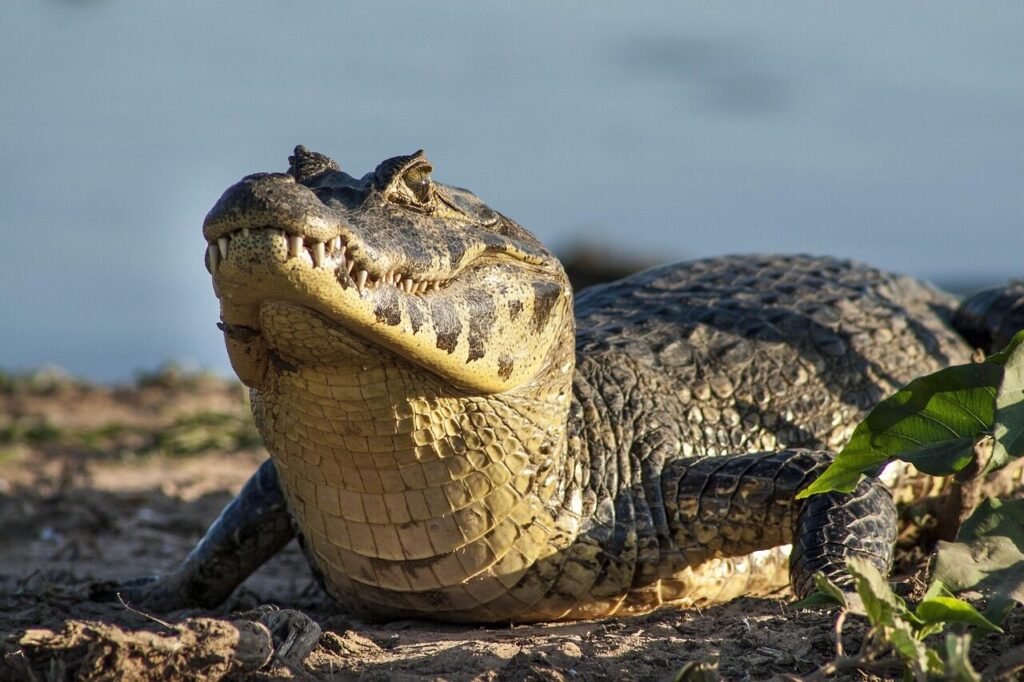
The Pantanal is the clearest case in Brazil of a place with one right season. The dry season from July to October is best. Animals cluster around water sources and the region is not flooded, so exploring is possible. In the wet months, many roads and trails close, and the wildlife disperses across flooded land.
The Amazon is more forgiving. It offers wildlife year-round, but the experience differs by water level. At high water, you glide by boat through flooded forest. At low water, beaches emerge, hiking trails open and animals concentrate along the riverbanks. Expect heat and humidity in all months, and pack for rain in every one of them.
Best Time for Beaches, Dunes and Islands
For the Rio, Santa Catarina and São Paulo coasts, the sea is warmest and the days longest from December to March. The summer season from December to March suits coast and city exploring, but you will pay for it in both money and crowd levels. Late summer, in March, is a quieter version of the same weather.
The Northeast works on a different calendar. Rain across much of the coast peaks in the middle of the year, and many travelers find September through March the more reliable window. Fernando de Noronha follows a similar pattern, with calmer seas and clearer water for diving in the drier months.
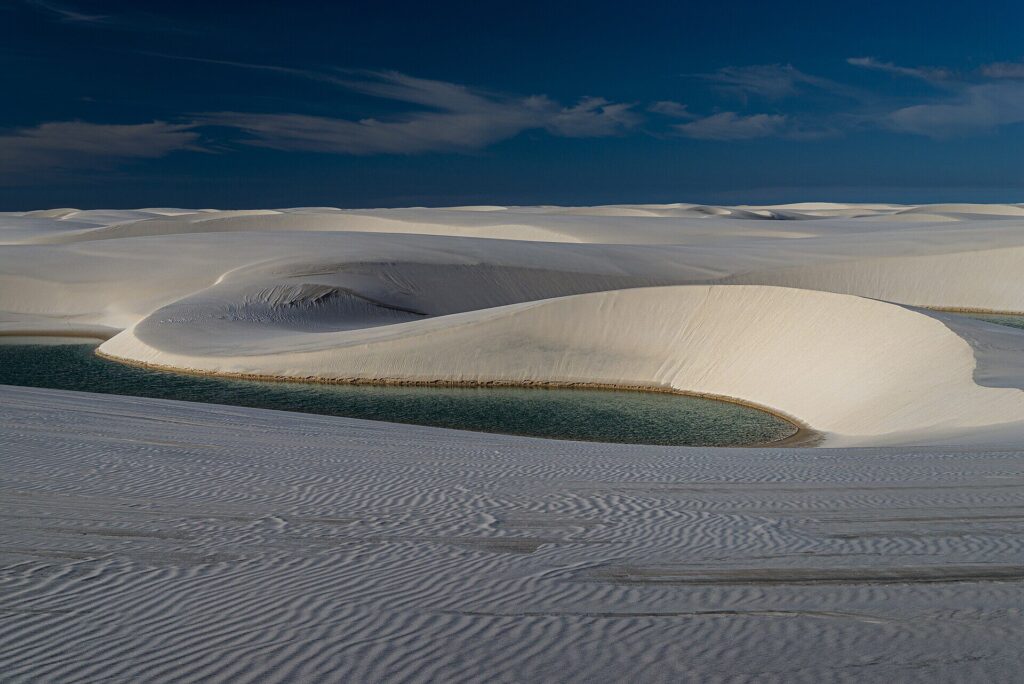
Lençóis Maranhenses is the one beach-region trip where timing can make or break the visit. The lagoons fill after the rains. June through September is the strongest overall window for most first-time visitors, with May worth considering if you want high water and fewer people. If you land in November expecting turquoise pools, you may find mostly dry sand.
Iguazu Falls and Southern Brazil
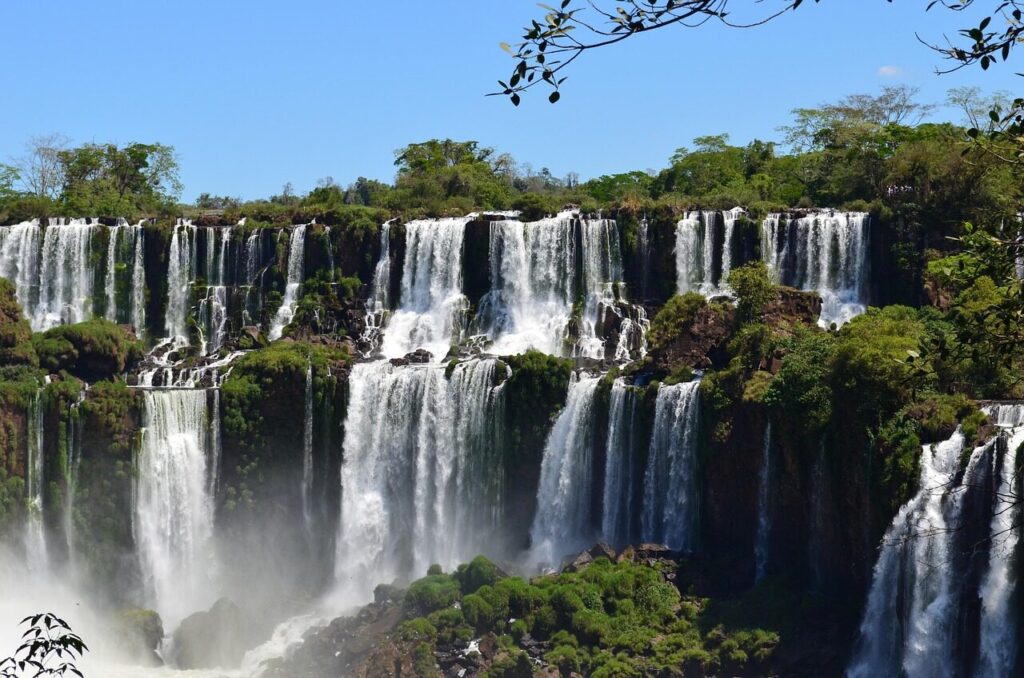
Iguazu is a year-round destination, and the falls are impressive in every season. Summer is hot and humid, with frequent storms. Autumn and spring give the most comfortable walking weather, with cooler mornings and less heat on the long boardwalks. After very heavy rain, some trails can close, so check conditions before you commit to a single day.
Farther south, the seasons are more pronounced. Beach towns such as Florianópolis are at their best from December to March. The Serra Gaúcha, including Gramado, sees cold winters from June to August, and visitors go for fondue, wine and the chance of frost. Spring and autumn are quieter and cheaper in both places.
Carnival, New Year and Other Dates That Change Prices
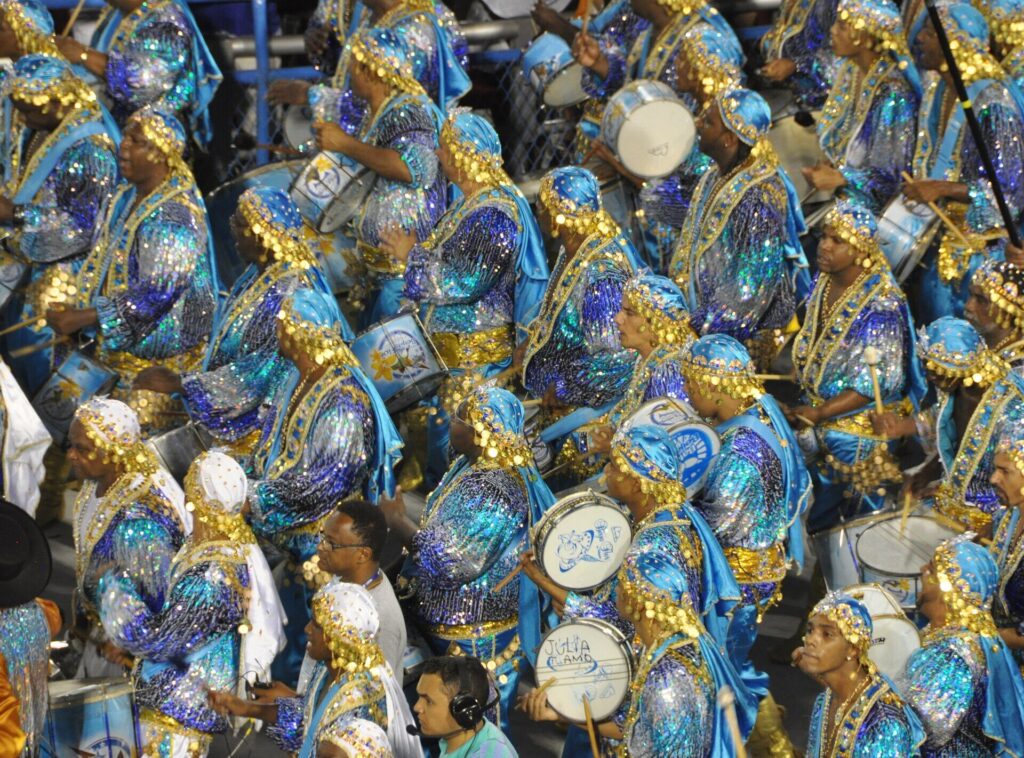
Carnival has no fixed date. Carnival Tuesday falls 47 days before Easter Sunday, so it lands anywhere from late January to early March. Rio’s festival runs from February 5 to 10 in 2027, and in 2028 it begins in the afternoon of February 25 and ends at midday on March 1. Salvador’s celebration starts a day earlier and finishes at the same time.
Plan around it in one of two ways. If you want to see the parades, book flights, rooms and Sambadrome tickets as early as you can, and expect the highest prices of the year. If you want to avoid it, check the Easter-based date before reserving anything in Rio, Salvador, Olinda or Recife.
There is a cheaper way to watch the samba schools. The week after the main parades, the six best schools return for the Champions’ Parade, at prices far below the competition nights. Since 2025, the Special Group has paraded over three nights rather than two, so older guides describing a two-night format are outdated.
Other price spikes to expect:
- Christmas to early January: Rio, Bahia and the southern beaches are at their most expensive and booked up.
- July school holidays: Domestic demand rises in the beach towns, Lençóis, the Pantanal lodges and the mountain towns.
- Long holiday weekends: Easter, Tiradentes, Corpus Christi and Independence Day on September 7 can fill smaller towns quickly.
Entry Rules by Passport
The month you choose may also depend on how long you need to prepare. Rules differ sharply by passport, so check yours before booking flights.
| Passport | Tourist entry | What to do |
|---|---|---|
| United States | An e-visa or visa is required since April 10, 2025 | Apply online before you fly; see our Brazil visa guide for US citizens |
| United Kingdom | Visa-free for stays of up to 90 days | Carry a valid passport and onward ticket; see the UK government’s Brazil entry advice |
| European Union | Visa-free for tourism, up to 90 days | Check passport validity and onward travel; see our entry guide for EU and UK travelers |
Americans should start with the government-authorized e-visa portal and apply well ahead of travel, since processing times vary and airlines can refuse boarding without an approved visa. The U.S. Embassy has also posted guidance on the visa requirement. Rules can change, so confirm against official sources a few weeks before you fly.
Planning Your Visit
Start with what you most want to see, then pick the month. Wildlife and dunes dictate their own seasons. Rio, Salvador and the south are flexible, so build the rest of your trip around the windows that are least forgiving.
A few practical rules help in any month. Book Carnival, Christmas and July trips months ahead. Pack a light rain jacket even in the dry season. Use sun protection and drink plenty of water in the summer heat. For street-level advice on cities and neighborhoods, read our honest guide to safety in Brazil.
For more timing advice by destination, browse our best time to visit section. If you are flexible, aim for May or September, and you will get good weather in most of the country at fair prices.
Frequently Asked Questions
What is the best month to visit Brazil?
September is the strongest all-rounder. Rio is warm without summer humidity, the Pantanal is dry, and the Lençóis lagoons still hold water. May is a close second, with cooler weather, lower prices and fewer visitors. If you only have one trip, either month works well for a mix of cities, nature and beaches.
When is the cheapest time to go to Brazil?
Prices are usually lowest in the shoulder months, roughly April to May and late October to November, outside holiday weekends. Avoid Carnival, Christmas through January and the July school holidays, when flights and hotels cost the most. Fares and rates vary by route, so compare a few dates before you book.
What is the rainy season in Brazil?
It depends on the region. The Southeast, including Rio and São Paulo, is wettest from December to March. The Pantanal and Amazon are rainy in the summer months, while much of the Northeast coast gets its heaviest rain around the middle of the year. Rain often comes in short, heavy bursts rather than all-day drizzle.
Do I need a visa to visit Brazil?
It depends on your passport. US citizens need an e-visa or visa, a requirement reinstated on April 10, 2025. UK and EU citizens can enter visa-free for tourism for up to 90 days. Always confirm the rules with official sources shortly before travel, because requirements can change.
When should I visit the Pantanal?
July to October is the best window. The dry season concentrates wildlife around remaining water, and trails and roads are usable. In the wet season, large areas flood, access is limited and animals spread out. Book lodges early for August and September, which are especially popular with wildlife photographers.
When is Carnival in Rio?
Carnival moves with Easter. It ends on Ash Wednesday and falls between late January and early March. Rio’s festival runs February 5 to 10 in 2027 and February 25 to March 1 in 2028. Book accommodation and parade tickets as far ahead as possible, because prices climb steeply.