

Last updated: October 21, 2026
Is Brazil safe? For most visitors on a typical trip, yes, as long as you treat it like a big, unequal country with serious street crime and plan accordingly. Millions of people visit every year without incident, but the risks are real, and they cluster in predictable places, times and situations.
The useful way to think about it is this: violent crime in Brazil is mostly concentrated outside the areas tourists use, while theft, phone snatching, scams and drink spiking hit visitors directly. Most of what goes wrong is preventable with a few habits. This guide covers what the US and UK governments say, which risks deserve your attention, and how to handle transport, nightlife, beaches and emergencies.
Is Brazil Safe? What the Official Advisories Say
The US State Department rates Brazil at Level 2, “Exercise Increased Caution,” because of crime and kidnapping or hostage-taking risks. That is the same tier it gives several popular European destinations. The advisory notes that violent crime occurs in urban areas, day and night, including murder, armed robbery and carjacking. It also says kidnapping for ransom involving US citizens is rare but occasionally occurs.
The UK is notably less alarmed about the country as a whole. The Foreign, Commonwealth & Development Office (FCDO) limits its all-but-essential-travel warning to specified river areas of Amazonas State, not Brazil nationwide. Those areas include stretches of the Amazon River west of Codajás and any part of the Itaquaí and Japurá rivers. Unless you are planning a remote river expedition deep in western Amazonas, that carve-out won’t touch your trip. You can read the full detail in the FCDO regional risks guidance for Brazil.
EU travelers don’t have a single shared advisory. Each member state’s foreign ministry publishes its own, so check yours before booking. One practical point for UK readers: your travel insurance could be invalidated if you travel against FCDO advice, which is another reason to read the regional list against your itinerary.
Border zones and other restricted areas
The US advisory also flags land border zones. One summary describes areas within 160 km of Brazil’s borders with Bolivia, Colombia, Guyana, French Guiana, Paraguay, Peru, Suriname and Venezuela. The same summary says that travel to Foz do Iguaçu National Park and Pantanal National Park is still permitted. If your route involves a land crossing or a remote border town, read the current advisory text directly rather than relying on a summary.
Entry Rules for US, UK and EU Citizens
Entry rules affect safety more than you’d think, because a refused boarding strands you before the trip begins. Rules differ by passport.
- US citizens: Since April 10, 2025, US passport holders must obtain an eVisa before traveling to Brazil. There is no visa on arrival, and airlines will deny boarding without a valid eVisa. Apply only through the official government channel and confirm the current fee, processing time and passport rules there, since these details change.
- UK and EU citizens: the eVisa requirement applies only to citizens of the United States, Canada and Australia. UK and EU passport holders have not been brought into it. Confirm your stay limit and passport validity with the Brazilian consulate in your country before you fly.
US citizens can find embassy contacts and local alerts through the US Embassy in Brazil. Enrolling in the State Department’s free traveler program (STEP) lets the embassy reach you in a crisis.
The Risks You Will Actually Meet
Forget the headline-grabbing scenarios for a moment. These are the problems visitors really run into, roughly in order of how often they happen.
Phone and bag snatching
This is the big one. The FCDO warns about theft and robbery, including mobile phone incidents on public transport and at beaches. Thieves work fast, often on foot or from bicycles and motorbikes, and a phone held out in the street is easy to grab.
Habits that help:
- Check maps in a shop doorway or café, not while walking along the curb.
- Leave expensive watches and jewelry at home. Keep valuables out of sight.
- Carry one card and a small amount of cash, and leave your passport in the hotel safe. A photo of the passport page on your phone is enough for most day-to-day needs.
- Back up your photos and turn on remote-lock features before you leave home.
If someone does demand your phone or bag, hand it over. Nothing you own is worth resisting for, and compliance is the safest response.
ATMs and card fraud
The US advisory tells travelers to be cautious when withdrawing cash from ATMs or leaving banks. Use machines inside bank branches, malls or hotel lobbies during daylight, and be aware of who is watching. Pay by card where you can, but keep the card in your hand during payment and decline any offer to take it out of sight. Contactless payments and card-reader terminals are common, so you rarely need large amounts of cash.
Express kidnappings
An express kidnapping means criminals force a victim to drain bank accounts or cards over a few hours, then release them. The risk is concentrated around unlicensed taxis and unfamiliar rides, which is why the transport advice below matters. Statistically it is rare for tourists, but it explains why the kidnapping indicator appears on the US advisory.
Getting Around Safely
Transport is where a lot of tourist losses start, so a little discipline pays off here.
Taxis and ride-hailing
The FCDO advises against hailing taxis in the street, citing express kidnappings and robberies in unlicensed taxis and in cars using fraudulent ride-hailing accounts. Its guidance is to book through the official app, wait at designated pick-up points including at airports, check that the registration and driver match, and watch for route changes.
In practice, that means using Uber or 99, confirming the plate and driver photo before you get in, and asking the driver to say your name rather than volunteering it. At airports, use the official taxi counters or app pick-up zones, and ignore anyone who approaches you in the arrivals hall offering a ride.
Buses, metro and trains
Both governments flag buses. The US advisory says passengers face higher risk of robbery or assault on public buses, especially at night, and the FCDO also reports robberies on buses and urban rail. The metro in the large cities is generally the safer public option, and it is quick and cheap. Keep your phone away on the platform, hold your bag in front of you in crowds, and avoid empty carriages late at night.
Our advice: skip city buses for your first days, until you’ve learned how the local system and routes work. After dark, use a ride-hailing app even for short distances.
Driving
Carjacking is on the US advisory’s list of crimes. If you rent a car, keep doors locked and windows up in cities, don’t leave anything visible inside, and park in guarded lots. Use a GPS route that sticks to main roads, because navigation apps can route through favelas. On highways, watch for speed bumps in small towns and avoid driving long distances at night, mainly because of road conditions.
Favelas and Areas to Avoid
This is the clearest official line in the entire advisory. The US State Department tells travelers not to enter favelas, including on guided tours, and states that neither tour companies nor police can guarantee safety there. The FCDO goes further, advising visitors to avoid all favelas, including tours marketed to tourists and any accommodation, restaurants or bars advertised as being in a favela.
The practical problem is geography. The FCDO points out that favelas can border areas used by tourists, and that you should check your GPS route doesn’t take you into one. In Rio, communities sit on hillsides right behind some of the best-known beach neighborhoods. Gang fighting and police clashes can also spill beyond a community’s edges, as the US advisory notes.
What to do with this information:
- Before booking, check an accommodation’s exact address on a map, not only its neighborhood name.
- Be skeptical of cheap lodging that sits uphill from a famous beach area.
- Set your ride-hailing destination carefully and watch the route. If a driver heads into a hillside community, ask them to stop somewhere safe.
- If you want to learn about favela life, look for museums, cultural projects and books by residents, rather than organized visits that go inside.
City-by-City Safety Snapshot
Safety is local. A neighborhood can feel relaxed at noon and risky at 11 p.m., and two streets apart can be very different. Treat this table as a starting orientation, not a guarantee.
| Destination | What to expect | Main precautions |
|---|---|---|
| Rio de Janeiro | The most scrutinized city for tourist crime, with beach theft, phone snatching and drink spiking. Daytime in the main beach districts is busy and generally fine. | Minimal valuables on the sand, ride-hailing at night, no wandering on empty streets, avoid favelas entirely. |
| São Paulo | A huge business and food city. Street theft occurs, especially around phones and laptops. | Stay in well-trafficked districts, use the metro by day and ride-hailing by night, don’t leave devices on café tables. |
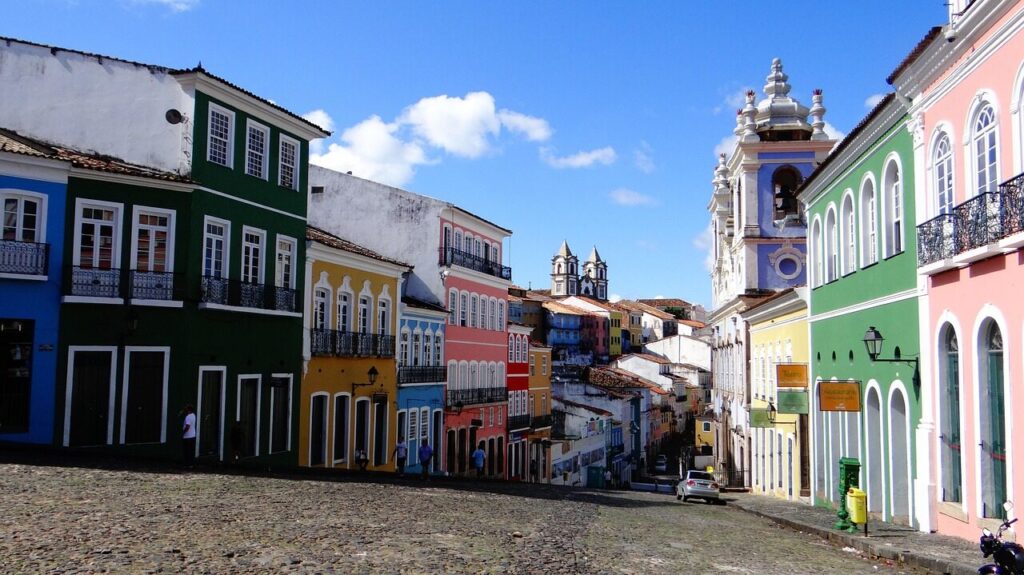
| Salvador | Historic center with tourist police presence in main areas but a real risk of petty theft and robbery. | Stick to busy, lit streets at night, go out with a group, take rides between neighborhoods. |
| Southern coast and beach towns (Florianópolis area, for example) | Generally more relaxed, though theft from cars and beach bags still happens. | Lock cars, never leave valuables visible, keep an eye on bags on the sand. |
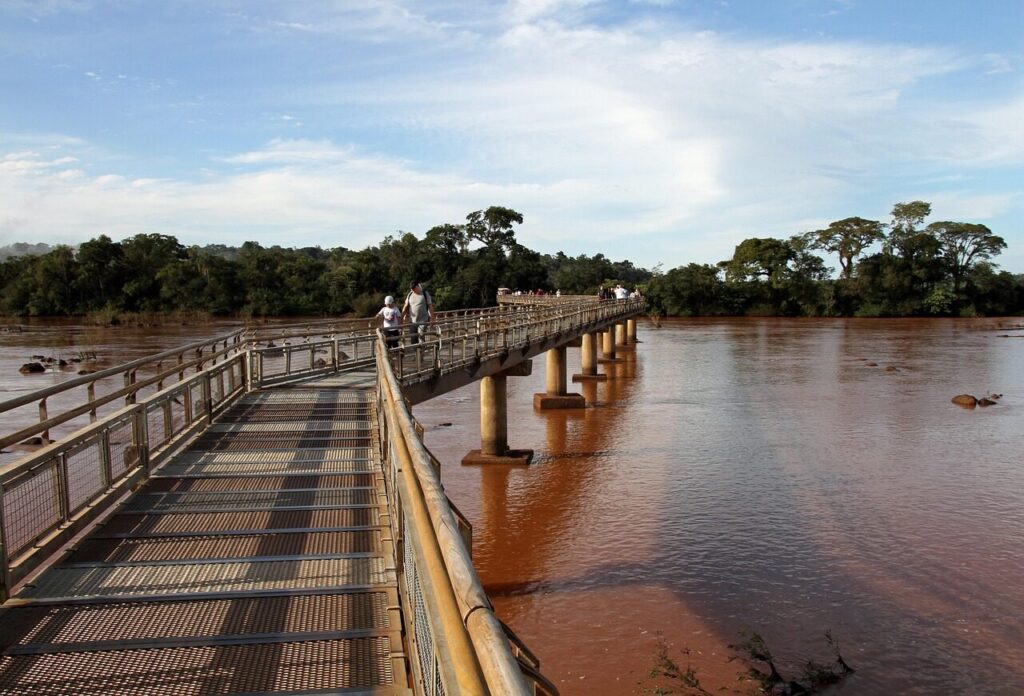
| Foz do Iguaçu | Falls and park areas are well organized and heavily visited. Border-area rules apply to travel beyond the park. | Use official park transport, book trips through licensed operators, check border-zone guidance if crossing countries. |
| Pantanal and Amazon | Low urban crime but remote conditions. The FCDO restricts specific river areas in western Amazonas State. | Use licensed guides and lodges, check regional advisories, carry insurance that covers medical evacuation. |
Choosing Where to Stay
Where you sleep shapes your whole trip. Pick a neighborhood known for foot traffic, restaurants and a visible presence of other visitors, then verify the exact street on a map. Staying near a metro station makes daytime movement easier. In Rio, hotels close to the beach districts generally make it easier to walk in daylight and take a ride home at night.
Nightlife, Dating Apps and Drink Spiking
The State Department is direct about this. Assaults are common, including with sedatives or drugs placed in drinks, especially in Rio de Janeiro. The advisory also warns that criminals target foreigners through dating apps or at bars before drugging and robbing them.
The pattern is usually a friendly stranger, a drink, and a victim who wakes up without a phone, cash or memory. It can happen to anyone, men and women alike. Sensible rules:
- Order your own drinks and watch them being poured. Don’t accept drinks from strangers, and don’t leave a glass unattended.
- Meet dating-app matches in public, daytime places. Tell a friend where you are, and don’t go to a private home or hotel room on a first meeting.
- Arrange your ride home before you start drinking, and leave with your group.
- If you feel suddenly dizzy or unusually drunk, tell a trusted person or bar staff and get to a safe place or hospital immediately.
Historic nightlife areas feel lively and are enjoyable, but they are also where opportunistic crime peaks. Go in a group, carry only what you need, and don’t walk between venues down quiet side streets.
Protests, Carnival and Big Crowds
Large public events draw both fun and crime. The FCDO says criminals target large-scale celebrations such as Carnival and advises caution about proposals from strangers that lead you away from public areas. Street parties are great, but leave your phone at the hotel if you can, or use a zippered pouch under your clothing.
Political demonstrations are a separate matter. UK guidance notes that they can occur at short notice and even peaceful gatherings may escalate, so visitors should avoid rallies and follow instructions from authorities. If a march appears near your route, change your plan rather than watching.
On terrorism, the FCDO’s position is that attacks are likely to be attempted in Brazil and could be indiscriminate, including in places visited by foreigners. That is standard cautious language for a global risk, not a sign you should avoid the country, but it’s a reason to stay aware in crowded places and follow local news.
Beach, Nature and Health Safety
Crime gets the attention, but the ocean and the sun cause plenty of real trouble.
- Beaches: many Brazilian beaches have strong currents and rip tides. Swim near lifeguard stations, heed flags and local warnings, and don’t swim after drinking. In an emergency, the fire brigade handles rescues and drownings.
- Sun: the sun is intense in most of the country. Use high-SPF sunscreen, drink plenty of water and take shade in the middle of the day.
- Hiking: the FCDO and others recommend extra care in isolated areas. Hike with a licensed guide or in a group, tell someone your route, and avoid trails near the edge of unfamiliar neighborhoods.
- Mosquitoes and vaccines: mosquito-borne illnesses exist in parts of Brazil. Check current vaccine and prevention advice from your own country’s health authority well ahead of travel, especially if you are visiting the Amazon, the Pantanal or rural areas.
- Healthcare: public emergency care is free by law, even for tourists, but slower and in Portuguese only, so have travel insurance before you land. Private clinics in the big cities are used by most visitors.
Buy insurance that includes medical evacuation, theft cover and trip interruption, and read the exclusions. If you travel to somewhere your government advises against, your coverage may not apply.
If Something Goes Wrong
Brazil has no single 911-style number. Save these before you arrive. Police is 190, ambulance is 192 and fire and rescue is 193, all free from any phone, including one with no credit or local SIM. If you’re unsure which number you need, call 190, which will pass you on. Don’t rely on 911 or 112 working.
| Situation | What to do |
|---|---|
| Robbed at gunpoint or knifepoint | Hand over the items, don’t chase, move to a public place and call 190 when safe. |
| Phone or wallet stolen | Lock or wipe the phone remotely, call your bank to freeze cards, then file a police report, which your insurer will want. |
| Passport lost or stolen | File a police report and contact your embassy or consulate for an emergency document. |
| Medical emergency | Call 192, or go to a private hospital if you can travel safely, and contact your insurer. |
| Suspected drink spiking | Go to a hospital immediately, tell staff what you think happened, and contact your insurer and embassy. |
In some large cities, a tourist police unit handles reports. The Delegacia Especial de Atendimento ao Turista operates in tourist areas of Rio, São Paulo, Salvador and a few other cities, with English-speaking officers. Rio’s is in Leblon. Operators on the general lines rarely speak English, so having your address written in Portuguese and ready to read aloud helps.
The FCDO safety and security page for Brazil is a good companion to carry offline, and US travelers can use the embassy channels above.
Planning Your Visit
A safe trip to Brazil mostly comes down to preparation. Read your own government’s current advisory the week you book and again before you fly, because levels and details are reviewed regularly. Choose lodging by exact address, book transport through apps, and carry less than you think you need.
Then enjoy the country. Brazil’s beaches, food, music and landscapes are why so many people return, and with sensible habits you can spend your attention on those instead of on worry. For more practical advice, browse the rest of our Brazil travel safety guides.
Frequently Asked Questions
Is Brazil safe for solo travelers?
Yes, many people travel Brazil alone without trouble, but solo visitors should be more careful at night. Stay in a central, well-reviewed area, book rides through apps, avoid walking alone on empty streets, and be wary of strangers offering drinks. Meeting other travelers through hostels or group tours adds a useful safety margin.
Is Brazil safe for women traveling alone?
Many women travel Brazil solo and have good trips, though unwanted attention and drink spiking are real concerns, especially around nightlife in Rio. Watch your drink, meet dating-app contacts only in public places, use ride-hailing after dark, and tell someone your plans. Choose accommodation with solid reviews from other solo women.
Which parts of Brazil are the safest for tourists?
No place is risk-free, but the southern coast and many smaller beach and nature destinations tend to feel more relaxed than the biggest cities. Foz do Iguaçu’s falls area is well organized for visitors. Even so, theft can happen anywhere, so keep valuables hidden and check your government’s advice.
Do I need a visa to visit Brazil?
It depends on your passport. US citizens have needed an eVisa since April 10, 2025, and airlines will not board you without one. The eVisa requirement applies to US, Canadian and Australian citizens, not to UK or EU passport holders. Confirm current rules with the Brazilian consulate before you travel.
Is it safe to take a taxi or Uber in Brazil?
Ride-hailing apps are the recommended choice. Government advice warns against hailing taxis on the street because of robberies and express kidnappings in unlicensed vehicles. Order through the app, wait at designated pick-up points, check the plate and driver against the app, and watch the route as you travel.
What number do I call in an emergency in Brazil?
Dial 190 for police, 192 for an ambulance and 193 for fire and rescue. These calls are free from any phone. Don’t count on 911 or 112. If you’re unsure which service you need, call 190. Tourist police units in major cities have English-speaking officers.
