


The best 2 weeks in Brazil itinerary for a first long trip links four very different places: Rio de Janeiro (3 nights), Iguazu Falls (2 nights), Salvador (4 nights) and an Amazon lodge near Manaus (3 nights, including a Manaus stop on each end). It works because each stop is a short flight from the last, and each gives you something the others can’t: city and beaches, a waterfall system, Afro-Brazilian culture, and rainforest.
The trade-off is flying. Brazil is enormous, and this route uses four domestic flights, so you’ll spend a few half-days in airports. If that sounds like too much, our 10-day first-timer itinerary covers fewer stops at a calmer pace.
Your 2 Weeks in Brazil Itinerary at a Glance
Here’s the whole route in one table. Every leg after Rio is a flight, and some will connect through a hub such as São Paulo, so check schedules when you book.
| Days | Base | Main focus | Nights |
|---|---|---|---|
| 1–3 | Rio de Janeiro | Christ the Redeemer, Sugarloaf, beaches, Santa Teresa | 3 |
| 4–6 | Foz do Iguaçu | Argentine and Brazilian sides of the falls | 2 |
| 6–9 | Salvador | Pelourinho, Bahian food, beaches, Todos os Santos Bay | 4 |
| 10–13 | Manaus and Amazon lodge | Meeting of Waters, canoe trips, night wildlife walks | 3 |
| 14 | Manaus | Fly home or connect onward | 0 |
Day 6 is a transit day: you finish at the falls in the morning and fly to Salvador that evening. Day 10 is another one. That’s why the table shows overlap.
Before You Book: Entry Rules, Health and Timing
Entry rules differ by passport, so check yours before you buy flights. US citizens need a visa. Since April 10, 2025, US citizens are no longer visa-exempt and must get an electronic visitor visa before departure. The eVisa allows stays of under 90 days per visit and is valid for multiple entries, so it also covers a side trip to Argentina and back. The fee was US$80.90 when the requirement began. Fees and processing times can change, so confirm them on the official application portal.
UK and EU passport holders can generally visit Brazil as tourists without a visa for up to 90 days. Details on passport validity and other documents are on our page for EU and UK travelers. Whatever your nationality, bring your passport on the Argentina day trip, and check Argentina’s own entry rules for your passport before you go.
Two health points matter on this route. First, talk to a doctor or travel clinic well before departure about yellow fever vaccination, because health authorities recommend it for much of Brazil, including Amazon areas. Second, pack insect repellent and lightweight long sleeves for the lodge.
Timing is a compromise, because no month is perfect everywhere. Rio and Salvador are hot and humid in the Southern Hemisphere summer, Salvador gets its heaviest rain from roughly April to June, and Amazon water levels change what you can do at the lodge. Our month-by-month guide lays out the trade-offs, and our trip cost breakdown will help you budget the flights.
Days 1–3: Rio de Janeiro
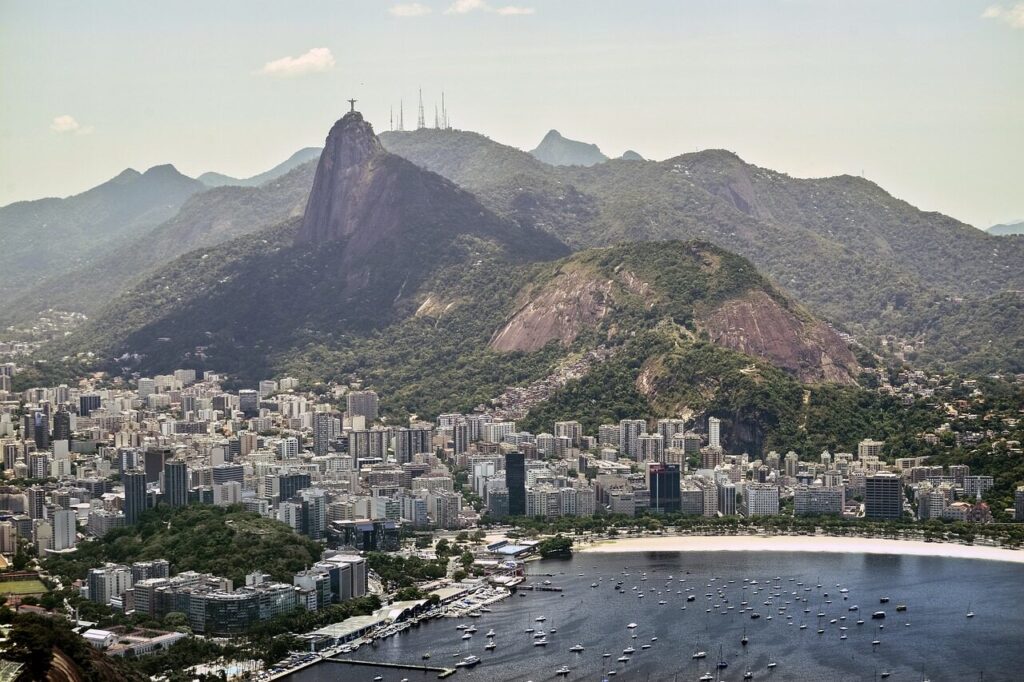
Fly into Rio and keep Day 1 easy. Check in, walk the beachfront, and eat something simple. Overnight flights from the US and Europe arrive tired, and Rio rewards a slow first evening.
Day 2: Christ the Redeemer and Sugarloaf
Do Christ the Redeemer in the morning, when haze is usually lighter and the platform is less packed. The monument can only be reached by official transport (train or van) or a guided tour. The classic route is the Corcovado cog train from Cosme Velho. Trains leave every 20 or 30 minutes. You can book timed tickets through the official Corcovado Train site, which includes the train ride and access to the monument.
Official vans are the alternative. They depart from spots including Copacabana, Largo do Machado metro station and the Paineiras Visitor Center. Whichever you choose, book ahead and check the current capacity notes, because renovation work has limited visitor numbers at times.
Save Sugarloaf for late afternoon. The cable car runs in two stages, first to Urca hill and then to the summit, and sunset over Guanabara Bay is the payoff. Go up about an hour before sundown so you see the light change and the city turn on.
Day 3: Beaches, Santa Teresa and Lapa
Spend the morning on Ipanema or Copacabana. Rent a chair from a beach vendor, drink coconut water, and don’t bring anything you’d hate to lose. Take only a little cash and a phone you can keep in a front pocket.
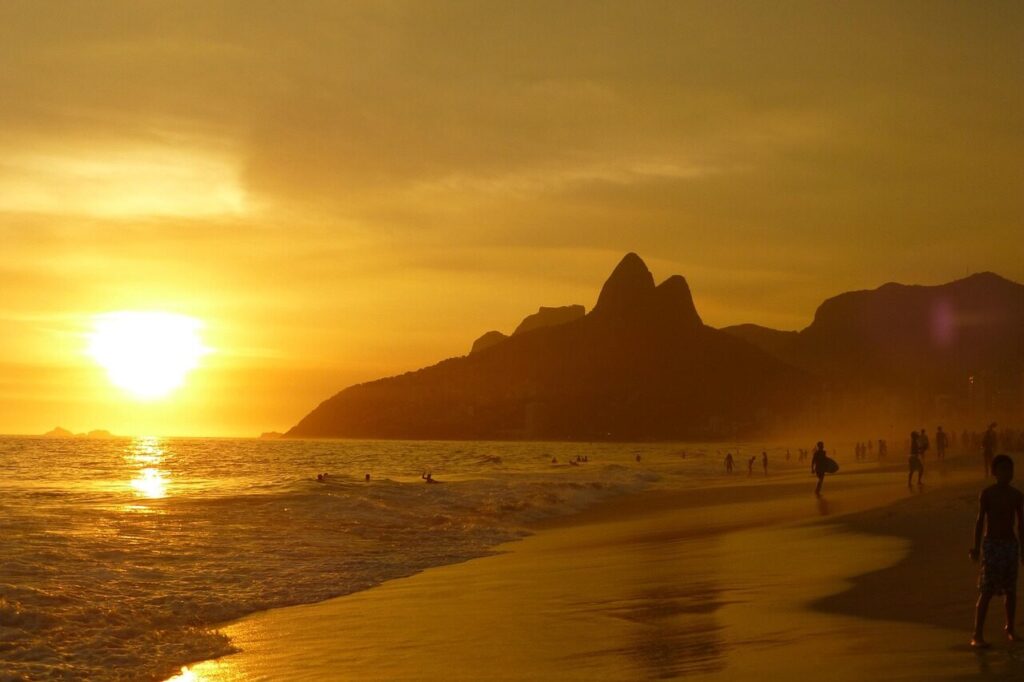
In the afternoon, head up to Santa Teresa for its hillside lanes and cafés, then walk down to the tiled Selarón Steps and the arches of Lapa. Lapa gets lively after dark with samba bars, but it’s also where most visitors run into trouble. Go with a group, keep your drink in sight, and take a ride-hailing car home. The U.S. State Department’s travel advisory page specifically warns that assaults involving drugged drinks are common, especially in Rio. Our honest safety guide has more practical habits for Brazilian cities.
Days 4–6: Iguazu Falls
On Day 4, fly from Rio to Foz do Iguaçu, the Brazilian town that serves as the base for the falls. It’s a short hop, and you’ll arrive with time to eat and sleep. If your flight lands early, Parque das Aves takes about 90 minutes and is open daily from 8:30 am to 4:30 pm, which makes a good low-effort first stop.

Day 5: The Argentine side
The Argentine side is where you get close. Walkways take you to the edge of the Devil’s Throat, and the upper and lower circuits put you among smaller cascades. The Argentine park opens daily at 8:00 am and closes at 6:00 pm, with the last Eco-Train to Devil’s Throat leaving around 3:30 pm. Go early and do the Devil’s Throat first, before the crowds and heat build.
Expect a border crossing in each direction, and plan for delays. A guided both-sides tour can simplify the logistics, especially because the park staff handle ticketing and transfers in a way that skips the hassle of arranging taxis on both sides. Both-sides day tours typically run 9–10 hours. We prefer doing the Argentine side on its own full day, though, because a rushed both-sides tour leaves little time at either park.
Day 6: The Brazilian side, then Salvador
The Brazilian side is the panorama. You walk along the cliff edge opposite the falls and take in the whole sweep of water at once, ending at a walkway that pushes you into the spray. Allow two to three hours for the panoramic walkway. Weekday hours start at 9:00 am, weekends at 8:30 am, and the last entry is 4:00 pm, and the Brazilian side uses timed entry. Buying tickets online in advance avoids queues in busy seasons, and park hours can shift on holidays, so check before you go.
You can do the Brazilian side in a morning, then fly to Salvador that evening. Direct flights from Foz to Salvador are limited, so expect a connection and a late arrival. Book an airport transfer in advance rather than hunting for one at midnight.
Days 6–9: Salvador, Brazil’s Afro-Brazilian Heart
Salvador is the contrast this itinerary needs. After the waterfalls and the polished beaches of Rio, it’s gritty, musical, spiritual and deeply African in its food, religion and rhythm. It was Brazil’s first colonial capital, and that history is still obvious in its churches and in the Afro-Brazilian traditions that grew up under it.
Day 7: Pelourinho and the Upper and Lower City
Start in Pelourinho, the historic center of pastel colonial houses and cobbled lanes. The Igreja de São Francisco is the one stop we’d prioritize for its extravagant gilded interior. Walk slowly, because the hills and the heat do the rest.
Take the Lacerda Elevator down to the Lower City to see the Mercado Modelo and the waterfront. Try acarajé, the fried black-eyed-pea fritter sold by baianas in white dresses, and moqueca baiana, the coconut and palm-oil fish stew that anchors Bahian cooking. Stay on busy, well-lit streets in the historic center after dark and take a ride-hailing car back instead of walking long distances.
Day 8: Beaches and sunset
Give this day to the coast. The beaches north of the center, such as Itapuã, are good for a long lunch and a swim, and the Farol da Barra lighthouse area is where locals gather at sunset. The sun sets over the bay, which is rare on Brazil’s Atlantic coast, and the crowd makes it a social event.
Day 9: Todos os Santos Bay or a slow day
Salvador sits on Todos os Santos Bay, and a boat day to one of its islands is an easy way to get off the pavement. If you’re tired from the pace of the trip, a long lunch, an afternoon swim and some time at a live music night will do just as well. This is the right day to build in rest, because the Amazon is next and it’s physically more demanding.
Days 10–14: Manaus and the Amazon
On Day 10, fly to Manaus. There are few direct flights from Salvador, so expect a connection and treat the day as travel. Overnight in the city, and use whatever energy is left for the Teatro Amazonas, the 19th-century opera house that shows how much rubber-boom money once poured into this remote river port.
Days 11–13: A jungle lodge
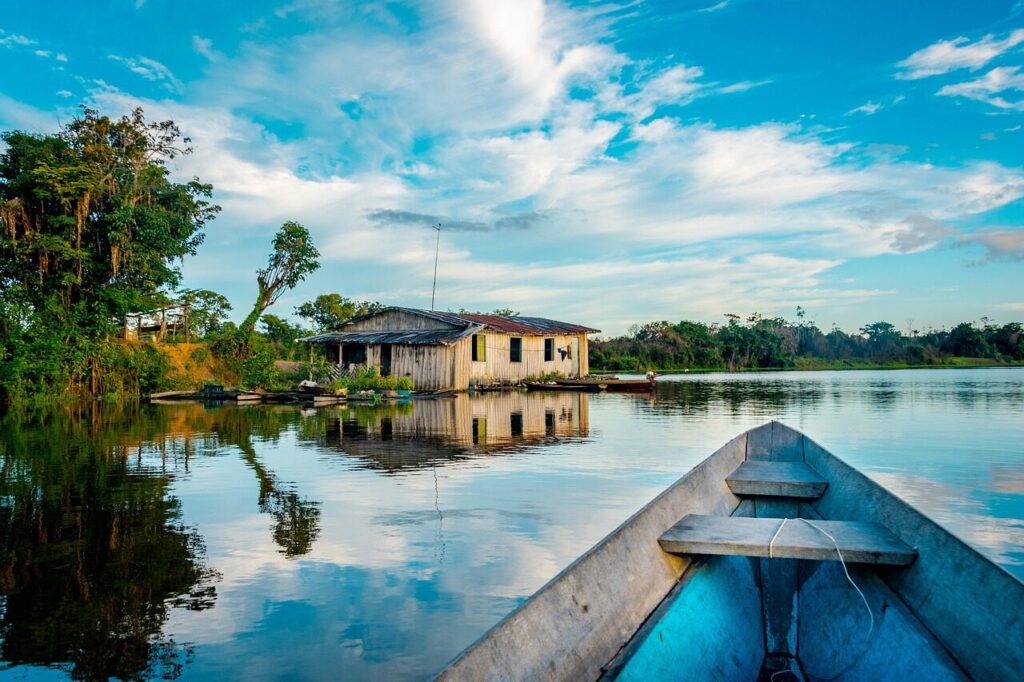
Book a lodge package that includes the boat transfer from Manaus. A typical stay mixes canoe trips through flooded channels, forest walks, night spotlighting for caimans, fishing, and a visit to a riverside community. Many itineraries also stop at the Meeting of Waters, where the dark Rio Negro runs beside the sandier Amazon River without mixing for several kilometers.
Water levels change the experience. When the river is high, you paddle among treetops in flooded forest. When it falls, trails open up on foot and sandbanks appear. Neither is wrong, but ask the lodge what to expect on your dates so you aren’t disappointed.
Choose the lodge more carefully than anything else on this trip. Look for small groups, guides who speak good English, a clear itinerary of daily activities, and honest answers about wildlife. You’ll see birds, monkeys, sloths and river life; jaguars are rare, and any operator promising them is overselling.
Day 14: Back to Manaus and home
Return to Manaus on Day 13 and stay overnight, so a delayed boat doesn’t cost you a flight. On Day 14, fly home or connect through a larger Brazilian hub. Check your long-haul flight times when you book the Amazon section, since a morning departure from Manaus is much easier than a mid-afternoon scramble.
What to Cut If You Have Less Time
If a pace of four flights is too much, drop one stop rather than squeezing everything. Here’s how each cut changes the trip.
| Cut | What you gain | What you lose |
|---|---|---|
| Salvador | Two extra days at Iguazu or in Rio, and one fewer long transfer | Brazil’s strongest Afro-Brazilian culture and food |
| Amazon | An easier ending and more rest | Rainforest wildlife and river life |
| Iguazu | Simpler logistics, no border day | Brazil’s biggest natural spectacle |
| Rio | Not recommended: it’s the usual gateway | The classic first impression |
If you’d rather build in more breathing room, split the trip into two halves with a base in each. The same route also works in reverse, which can help if your flight into Brazil lands in Manaus or São Paulo.
Practical Notes on Flights, Money and Pace
- Book domestic flights early. Routes between Iguazu, Salvador and Manaus have fewer options than Rio–São Paulo, and connections can be long.
- Use carry-on if you can. A small bag saves time at four airports, and the lodge may limit what you can take on the boat anyway.
- Leave buffers. Don’t schedule anything important on the morning after a late arrival.
- Carry some cash. Cards work in most places, but small vendors, beach kiosks and market stalls often prefer cash.
- Protect your phone. Use ride-hailing apps, keep your phone out of sight on the street, and be careful at ATMs.
Planning Your Visit
Lock in three things first: your visa or entry status, your Amazon lodge dates, and the flight between Salvador and Manaus. Those are the hardest pieces to rearrange later. Then book Christ the Redeemer and the Iguazu park tickets once your dates are fixed.
Before you go, check the U.S. State Department travel advisories if you’re a US traveler, and the equivalent foreign-office guidance if you’re traveling from the UK or EU. Read our safety guide once more before you fly, then spend the rest of your energy on the part that matters: eating well, moving slowly, and letting each city be different from the last.
Frequently Asked Questions
Is 2 weeks enough to see Rio, Iguazu, Salvador and the Amazon?
Yes, but only just. Fourteen days works if you accept four domestic flights and a few half-days of transit. You’ll see the main highlights of each place rather than exploring deeply. If you’d rather slow down, drop Salvador or the Amazon and add days elsewhere.
Do US citizens need a visa for Brazil?
Yes. Since April 10, 2025, US citizens need an electronic visa before traveling to Brazil. It’s applied for online, allows stays of under 90 days per visit, and is valid for multiple entries. UK and EU passport holders can generally visit as tourists without a visa for up to 90 days.
How many days do you need at Iguazu Falls?
Two days is the sensible minimum if you want both sides. The Argentine side suits a full day, and the Brazilian side takes a few hours for the walkway. A rushed both-sides tour in one day is possible, but it leaves little time at either park.
Is it safe to visit Salvador and Rio on the same trip?
Most visitors do both without problems, but both cities need street awareness. Use ride-hailing at night, watch your drink, keep valuables out of sight, and avoid favelas. Stick to busy, well-lit areas in historic centers after dark, and read our safety guide before you go.
What is the best order for this itinerary?
Rio, Iguazu, Salvador, then the Amazon follows a logical geographic sequence and puts the most physically demanding stop near the end. You can reverse it if your international flight arrives in Manaus or São Paulo. Avoid backtracking, because each added flight costs a half day.
Do I need vaccines for the Amazon?
Health authorities recommend yellow fever vaccination for travel to much of Brazil, including Amazon areas. Speak to a doctor or travel clinic well before departure, since timing matters. Bring insect repellent and lightweight long sleeves, and ask your lodge about any other precautions.