


For a US traveler, a two-week Brazil trip cost usually lands between about $2,000 and $3,800 per person at mid-range comfort, with flights and the visa included. Backpackers can do it for roughly $1,350 to $2,500. Comfort-focused travelers should plan on $3,900 or more. Europeans can use the same on-the-ground numbers and swap in their own airfare.
Brazil is moderately priced once you land. Meals, local buses and beach days are cheap. The big line items are the long-haul flight, the visa fee for Americans, any domestic flights, and how much time you spend in Rio’s priciest neighborhoods. Below, we break down each piece so you can build your own number.
Brazil Trip Cost by Travel Style
Published budget estimates for Brazil vary a lot, mostly because they assume different cities and hotel standards. One recent breakdown puts backpackers at about $55 to $80 a day and mid-range travelers at $110 to $170, while another projects R$200 to R$300 (roughly $40 to $60) for a backpacker. The ranges below sit across those estimates and assume one person sharing a room with a travel partner.
| Travel style | Per person, per day (USD) | Approx. in reais | What it usually covers |
|---|---|---|---|
| Backpacker | $40–80 | R$200–400 | Dorm beds or basic guesthouses, per-kilo lunches, city buses, beaches and free sights |
| Mid-range | $90–170 | R$450–850 | Private rooms in 3-star hotels or pousadas, sit-down restaurants, rideshares, a paid tour every few days |
| Comfort | $220–340+ | R$1,100–1,700+ | 4-star or boutique hotels, private guides, regular domestic flights |
The reais column assumes about R$5 to the dollar, which is roughly where the exchange rate has sat in 2026. Rates move, so recalculate with a live rate before you set a budget.
Daily figures exclude international flights, the visa and travel insurance. They include lodging, food, local transport and a normal amount of sightseeing.
Brazil Trip Cost: Sample Two-Week Totals
Here is how those daily numbers play out over 14 days. The last column adds a round-trip flight from the US and the US visa fee. One estimate puts US round-trip airfare at $700 to $1,300, and we use that range here. If you fly from Europe, replace the flight figure with a fare from your own departure city.
| Travel style | 14 days on the ground | Plus US flight and visa | Rough all-in total |
|---|---|---|---|
| Backpacker | $600–1,100 | about $780–1,380 | $1,350–2,500 |
| Mid-range | $1,300–2,400 | about $780–1,380 | $2,000–3,800 |
| Comfort | $3,100–4,800 | about $780–1,380 | $3,900–6,200+ |
These are our own estimates built from the daily ranges, not quotes. Two people sharing one hotel room will pay less per head than a solo traveler. A trip with several domestic flights will run higher than the table suggests.
Flights, Visa and Insurance: Costs Before You Land
Airfare is almost always the biggest single expense. Fares from the US and Europe swing with season, and December through February and Carnival are the most expensive windows. Booking early and staying flexible on dates does more for your budget than any trick once you arrive.
The visa depends on your passport. Since April 10, 2025, US, Canadian and Australian citizens need an e-visa to enter Brazil. UK and EU citizens are not covered by that requirement for short tourist stays, but confirm the details on our Brazil entry requirements for EU and UK travelers page.
| Passport | Visa cost | Key details |
|---|---|---|
| United States | US$80.90 per applicant | Non-refundable. Multiple entries over 10 years, with up to 90 days per visit |
| United Kingdom and EU | No visa fee for short tourist stays | Check passport validity and other entry rules before you fly |
The US fee is paid by card on the official portal and covers a 10-year visa with multiple entries, up to 90 days per visit and 180 days per 12 months. That means the fee is a one-time cost if you return within the decade. Apply only through the official Brazil eVisa portal, because any site charging more than the portal fee is a third-party service. Our Brazil visa guide for US citizens walks through the application step by step.
Budget separately for travel insurance with medical cover. We do not quote a price here because policies vary too much by age, trip length and coverage.
Why Prices Change So Much Across Brazil
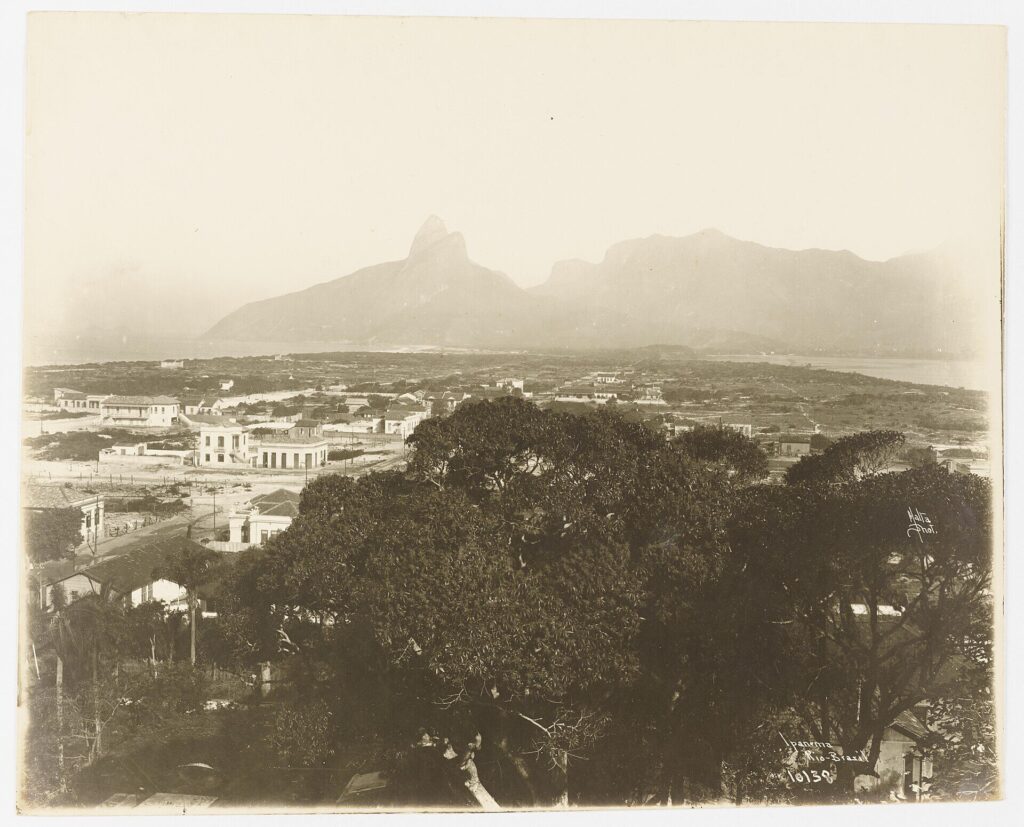
Where you sleep matters more than how you travel. Rio and São Paulo run about 30 to 50 percent above the national average for restaurants and have the highest prices for paid attractions. In a comparison of Rio, Salvador and the Amazon, Rio came out as the most expensive base. Salvador and smaller coastal towns generally cost less for the same level of comfort.
Within Rio, the neighborhood is a bigger lever than your travel style. A backpacker in Botafogo or Lapa can spend about $60 a day, a mid-range traveler in Copacabana or Ipanema around $150, and the same traveler in Leblon around $220. Treat those as rough guides rather than fixed prices.
What a room costs
| Accommodation type | Typical price |
|---|---|
| Hostel dorm bed | R$60–120 per night |
| Budget hotel or simple guesthouse | $30–70 per room |
| Mid-range hotel or pousada | $90–200 per room |
| High-end hotel | $280–700 per room |
Room prices are per night, not per person, so a couple splits them. Rates jump in peak periods, and an Ipanema room during Carnival can cost a multiple of its low-season price. Our month-by-month guide to the best time to visit Brazil shows how weather and crowds line up with those price swings.
Food and Drink: What Meals Really Cost
Food is where Brazil feels like a bargain. Many cities have per-kilo restaurants, where you fill a plate from a buffet and pay by weight. For a backpacker, a per-kilo lunch runs about R$40 to R$70, and a street-food or supermarket dinner R$25 to R$50. At about R$5 to the dollar, that is roughly $8 to $14 for lunch and $5 to $10 for dinner.
A sit-down dinner with drinks in a nice restaurant in Rio or São Paulo costs noticeably more, and prices in beach neighborhoods carry a tourist premium. Many restaurants add a service charge of around 10 percent to the bill, so check your receipt before adding a tip.
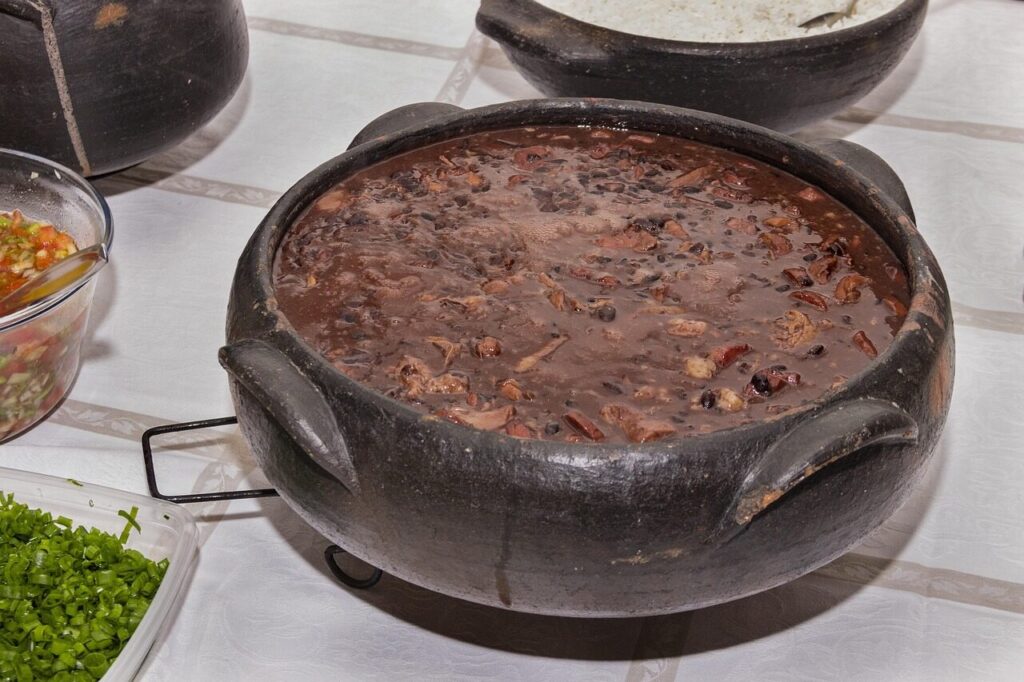
Dishes like feijoada, a black bean and pork stew often served on weekends, are filling enough to cover a whole day’s appetite for a modest price. If you eat your main meal at lunch and keep dinner light, the food portion of a daily budget shrinks fast.
Getting Around: Buses, Rideshares and Domestic Flights
City transport is cheap. Public bus rides run about R$5 to R$8, and metros in Rio and São Paulo are similarly inexpensive. Rideshare apps are widely used in big cities and show the fare before you book. At night, choose the safer option over the cheaper one, and read our honest guide to safety for tourists in Brazil before you plan late evenings.
Distances are the real budget issue. Brazil is enormous, and a flight between two regions can cost as much as several days of ground spending. Long-distance buses are cheaper but can take many hours or even more than a day on some routes.
To keep transport costs down, we suggest:
- Pick two or three bases instead of five or six.
- Book domestic flights as early as your plans allow.
- Use buses for routes under about six hours.
- Skip the rental car in cities, where parking and traffic add stress and cost.
Christ the Redeemer and Other Rio Sights

Rio’s best-known paid attraction is the statue on Corcovado. The adult Corcovado Train fare is R$134 and includes a round trip plus access to the monument, which is about $26. The official Paineiras van costs roughly R$87 to R$132, depending on the day and boarding point. Tickets are for a set time slot, so book ahead in busy months. You can check live prices on the Trem do Corcovado site.
Guided tours with hotel pickup add convenience. Reseller listings for the train ticket start at around $48, so you pay a small premium for easy booking and free cancellation. If you want a guided option, a short search is enough.
Other Rio sights, such as Sugarloaf Mountain, have their own fares. Beaches, the Selarón Steps and many viewpoints are free. A good pace for a budget is one paid attraction every two or three days and free beach time in between.
Iguazu Falls: Park Fees and Extras

Iguazu is one of the best-value big attractions in Brazil. Entry to the Brazilian park costs approximately $18 USD for international adults, which is on the order of R$100 to R$120 at current rates. The Argentine side costs more and is priced in pesos, so the dollar figure moves. Each park charges separately, with no combined ticket.
The cheapest way to reach the Brazilian entrance is the public bus. Bus 120 from Foz do Iguaçu costs R$5 one way. If you cross to the Argentine side, bring your passport and allow time at the border.
The trails and walkways are included in your ticket. Boat rides, helicopter tours and private tours are priced separately. Most visitors find the walkways deliver the main experience, and the boat ride is a splurge for people who want to get soaked.
Smart Ways to Lower Your Brazil Trip Cost
You do not need to cut the good parts to save money. These changes make the biggest difference:
- Travel outside peak periods. December through February and Carnival drive prices up. Shoulder months often give you decent weather and lower rates.
- Choose the neighborhood carefully. Botafogo and Lapa cost less than Leblon, and you can reach the beaches by metro or rideshare.
- Eat the main meal at lunch. Per-kilo restaurants and set-plate lunches cost far less than dinner menus.
- Limit your bases. Every extra city can mean another flight or a long bus ride.
- Pay in reais. If a card terminal offers to charge you in dollars or euros, decline and pay in local currency.
- Use only the official visa portal if you hold a US passport, to avoid paying extra for the same visa.
Planning Your Visit
Start with the large costs: flights, the visa if you hold a US passport, and any domestic legs. Then multiply a realistic daily figure by your number of days and add a cushion of 10 to 15 percent for tours, tips and the occasional splurge. Keep in mind that prices in reais are the stable reference, and dollar or euro equivalents shift with exchange rates.
For more planning help, browse our Money and Budget section. It collects our other guides on exchange, cards, tipping and saving money across the country.
Frequently Asked Questions
How much money do I need for two weeks in Brazil?
On the ground, plan roughly $600 to $1,100 as a backpacker, $1,300 to $2,400 at mid-range, and $3,100 or more for comfort travel. Those figures exclude international flights. A US traveler adds airfare and the $80.90 visa fee, which brings a mid-range trip to about $2,000 to $3,800.
Is Brazil expensive for tourists?
Brazil is moderately priced. Food, local transport and beaches are inexpensive, especially outside Rio and São Paulo. The costs that add up are flights, domestic flights between regions, high-end hotels in Rio’s beach neighborhoods and paid tours. Where you stay usually matters more than how you travel.
How much does a visa to Brazil cost?
US citizens pay $80.90 for the e-visa, which is non-refundable, valid for 10 years with multiple entries, and allows stays of up to 90 days per visit. UK and EU citizens do not need a visa for short tourist stays. Apply only on the official portal to avoid third-party fees.
Which part of Brazil is cheapest to visit?
Rio de Janeiro and São Paulo are generally the most expensive for hotels and restaurants. Salvador and smaller coastal or inland destinations tend to cost less for similar comfort. Even within Rio, Botafogo and Lapa are much cheaper than Ipanema or Leblon, so choosing your neighborhood saves money.
How much does it cost to visit Christ the Redeemer?
The official Corcovado Train adult ticket is R$134, about $26, and includes the round trip and monument access. The Paineiras van costs roughly R$87 to R$132 depending on the date and boarding point. Tours with pickup cost more. Book a time slot in advance for busy periods.
Can I use US dollars in Brazil?
Plan to pay in Brazilian reais. Cards are accepted in most hotels, restaurants and attractions, and ATMs are common in cities. If a terminal asks whether to charge you in dollars or reais, choose reais to avoid a poor conversion rate. Carry a little cash for small purchases and buses.