
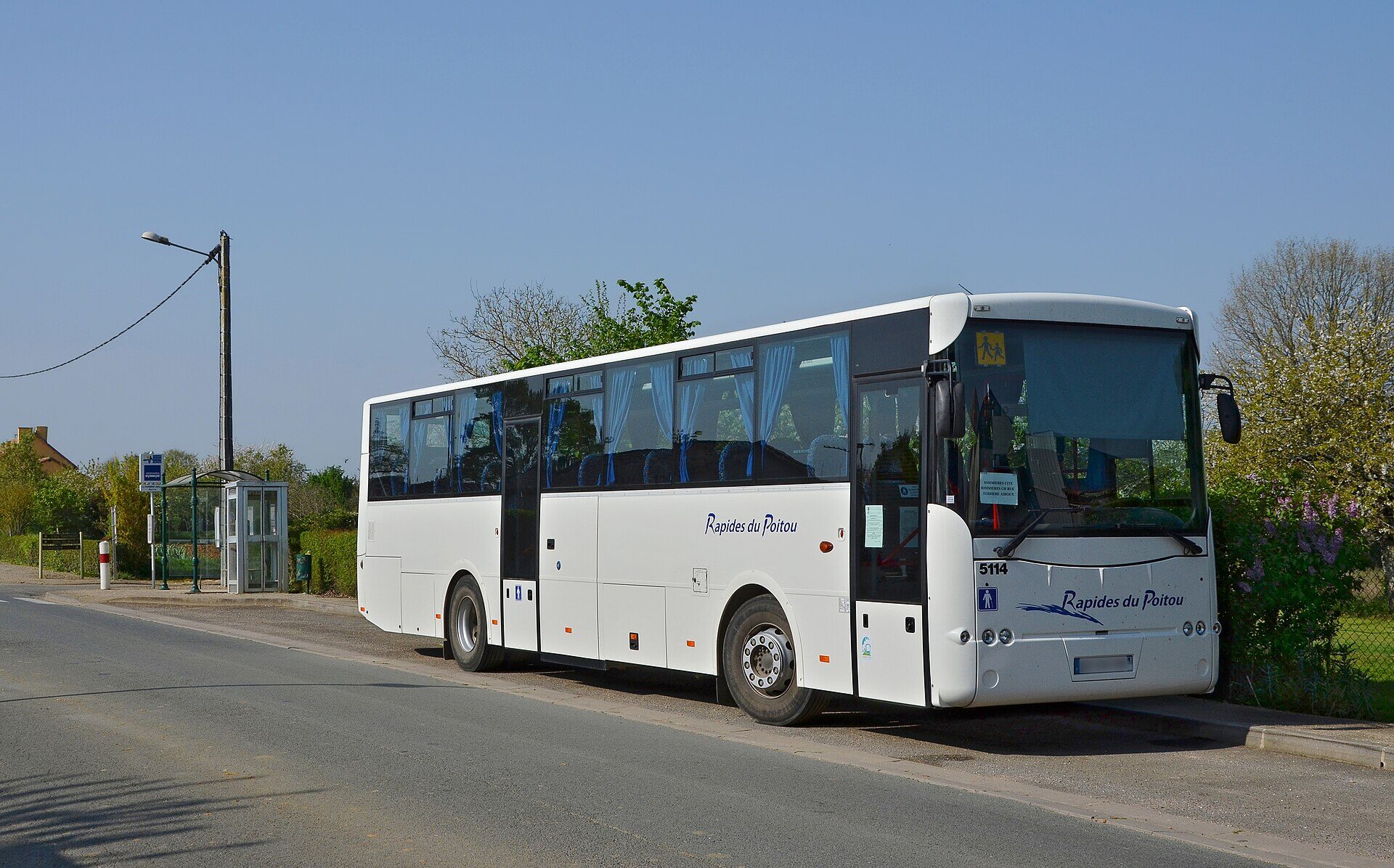

Buses in Brazil are the normal way to travel between cities on land, and for most tourists they are comfortable, safe enough on the main routes and far cheaper than flying. The intercity network links virtually every city, and long-haul coaches are air-conditioned with an onboard toilet. The real hurdle for visitors is not the ride but the paperwork: buying a ticket without a Brazilian tax number (CPF) and boarding with the right ID.
This guide covers when a bus is the smarter choice, what the seat classes mean, how foreigners can actually pay, and what happens at the terminal. For the wider picture of flights, buses and rideshares together, start with our overview of getting around Brazil.
When the Bus Is Better Than a Plane
Buses win on corridors where the road is straight and the departures are frequent. The Rio–São Paulo run is the classic case: about 430 km by road, 6 to 7 hours by bus, with departures day and night from Rodoviária Novo Rio to Tietê. Once you add airport transfers, check-in and security, a flight saves you little on that route.
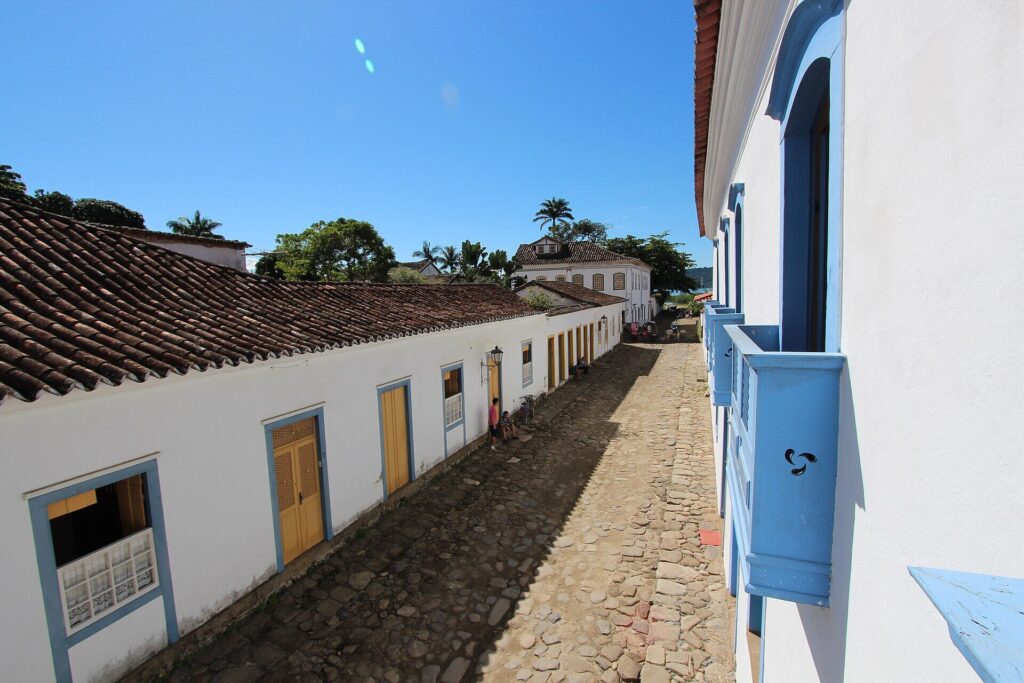
Buses also reach places airlines skip. Coastal towns such as Paraty, small colonial cities in Minas Gerais and many beach destinations in the Northeast are bus-first. Overnight services can replace a hotel night too: on many routes a sleeping seat lets you rest and save on accommodation.
Fly instead when the distance is truly large, such as São Paulo to Manaus or anything involving the Amazon basin, Fernando de Noronha or the far North. Our domestic flights guide covers airlines and fares for those legs.
Seat Classes on Buses in Brazil
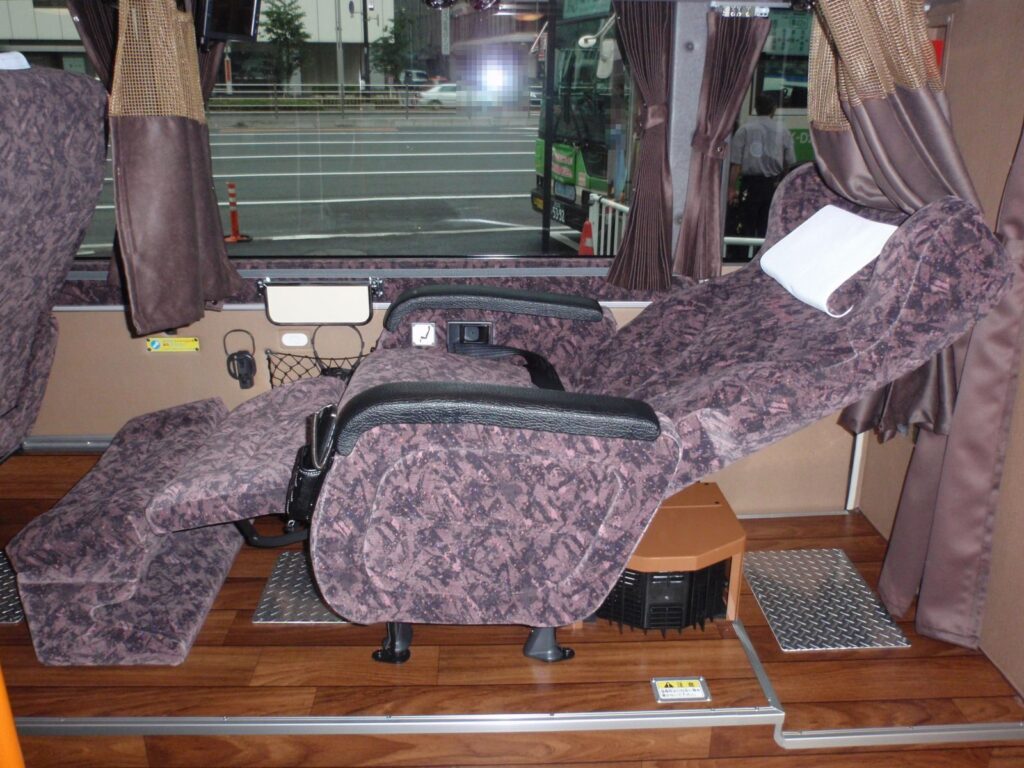
Brazilian operators sell the same coach in several fare tiers, and the names matter more than the company. The four most common are convencional, executivo, leito and leito-cama (a flatbed). Many companies also sell a semi-leito in between. Exact seat pitch and extras vary by operator, so read the description on the booking page.
| Class | What to expect | Best for |
|---|---|---|
| Convencional | Standard reclining seat, the cheapest fare, most seats per bus | Daytime trips under 5–6 hours |
| Executivo | More legroom and a bit more comfort, often fewer stops | Medium trips, a small step up in price |
| Semi-leito | Wider seat, deeper recline, roomier layout | Long daytime rides, budget overnights |
| Leito / leito-cama | Near-bed recline or a flat bed, wider seat, fewer passengers | Overnight journeys |
The difference in capacity is real. A convencional coach usually carries 46 to 50 seats, while leito and semi-leito layouts usually carry 28 to 34. Leito is typically laid out with three seats across the bus, which is why it feels so much less crowded.
Our rule: convencional for short daytime hops, semi-leito or leito for anything overnight. The extra cost is usually small compared with a night of poor sleep. For how this fits into a full trip budget, see Brazil on a budget.
Buying Tickets Without a CPF
This is where foreign visitors get stuck. Brazilian bus company websites and apps often ask for a CPF at checkout. Buying directly from a bus company’s website usually requires one, and some third-party sites let you enter a passport as ID but still ask for a CPF at the payment step.
You have three workable options:
- Platforms built for foreign passengers. ClickBus has been reported to accept international cards and passport numbers, and Busbud also lets you use passport details instead of a CPF. Policies change, so test the checkout before you rely on a specific site.
- The station counter. Buying at the bus station is one of the simplest and cheapest ways, and you need only your passport or an official ID, not a CPF.
- Local help. Your hotel or hostel can sometimes buy for you, but you will still need to show your own passport at boarding.
Ride-share-style services such as Buser work differently from classic operators. The model combines collaborative chartering with resold seats on traditional services, so check the boarding point in your confirmation. It may not be the main rodoviária.
These rules are the same whether you hold a US, UK or EU passport. What differs is your card: US, UK and EU Visa and Mastercard cards generally work on international-friendly platforms, but your bank may add a foreign-transaction fee. Our guides to Pix and paying by card explain what to expect with payments in general.
Terminals and Boarding
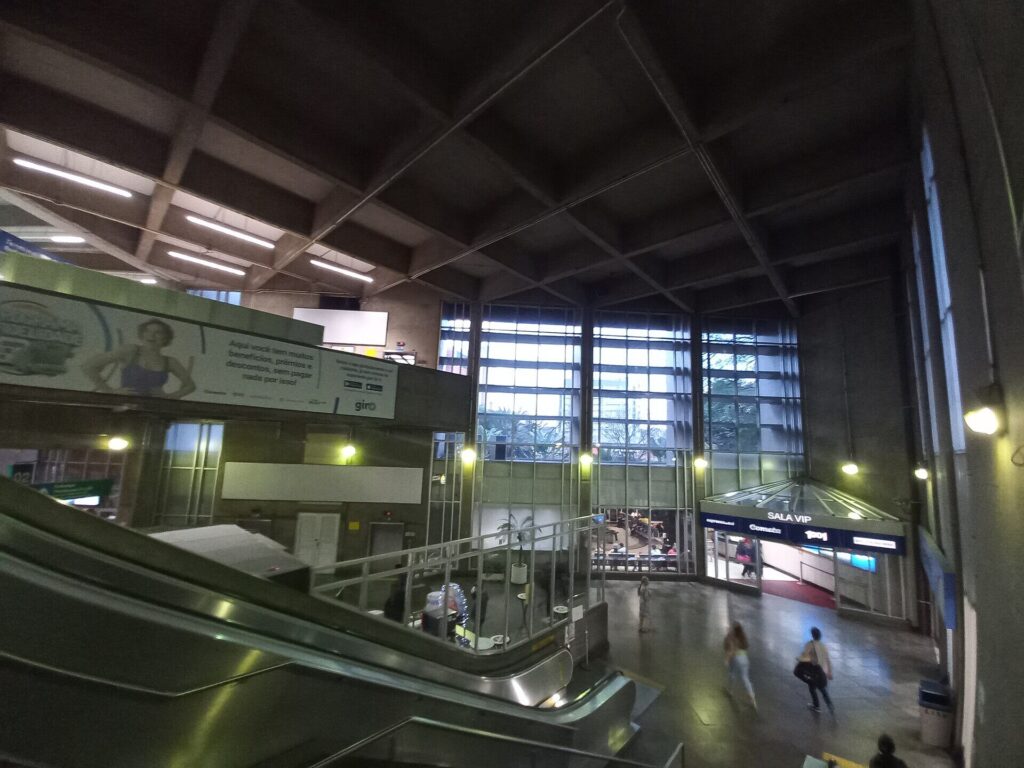
Almost every city has at least one central terminal called a rodoviária. Big cities can have several, so confirm the exact terminal on your ticket. São Paulo’s main long-distance hub is Tietê, but some services use Barra Funda instead. Rio’s main terminal is Novo Rio.
Arrive 30 to 45 minutes before departure, find your platform on the departure board, and keep your passport in your hand. Operators check photo ID against the name on the ticket, and for a foreigner that means the physical passport, not a photo of it. Leave the passport copy for emergencies only.
On some interstate routes you may also be handed a short passenger form to fill in before boarding. It asks for details such as your name and passport number. Keep a pen in your day bag.
Getting to the terminal at night is better done by app than on foot. Our guide to Uber in Brazil explains how to order and what to check on the car.
Luggage Rules and Onboard Comfort
Brazilian law is generous with bags on regulated intercity coaches. You may check up to 30 kg in the hold, with a volume cap of 300 dm³ and a longest side of one meter, and carry small items of up to 5 kg in the overhead rack. The ANTT, the federal land transport regulator, publishes this in its passenger rights and duties booklet (in Portuguese). You are entitled to a receipt for each bag you check. Keep it until you collect your luggage.
Two caveats. Above the free allowance, the operator may offer to carry excess bags as a paid extra. And the allowance does not apply to M3-category minibuses, so shuttle vans can be stricter. Surfboards, bicycles and similar items should be declared in advance.
Plan for the trip itself:
- Cold air-conditioning. It can be strong enough that you will want something warm to wear. A light jacket and socks help even in hot cities.
- No meals onboard. Buses do not serve food. They stop at roadside snack bars and restaurants. Pack water and a snack for the stretches between stops.
- Valuables with you. Keep your passport, phone, cash and cards in the cabin, never in the hold. A small bag under your feet beats the overhead rack at night.
A local SIM or eSIM is useful for tracking your trip and showing e-tickets. See our SIM and eSIM guide for options.
Safety on Long Routes
Major operators on trunk routes between large cities are generally reliable and professionally run. The usual risks are petty theft at terminals and on arrival, not accidents. Take a sleeping seat on overnight trips, stay awake at terminal stops, and do not accept food or drink from strangers.
US, UK and EU governments each publish their own travel advice for Brazil. Check your government’s page before you go, since details change. For a broader picture of risks and common-sense habits, read Is Brazil safe for tourists?
Arrive in daylight when you can. If a bus is scheduled to reach a large city very early, order a ride from inside the terminal rather than walking out to hail one.
Planning Your Visit
Pick your longest overland legs first, then decide where a flight saves a full day. Check schedules a week or two ahead for ordinary dates. Book earlier around Carnival, New Year and school holidays, when popular routes sell out.
Before you go, check these items:
- Passport is valid and in your day bag, not packed.
- You know which terminal your bus leaves from.
- You have a card that works abroad and a small amount of reais for terminal snacks and restrooms.
- Your ticket confirmation is saved offline.
- You have a layer for the air-conditioning.
If you are still deciding on cities, our Getting Around section collects every transport guide in one place.
Frequently Asked Questions
Can foreigners buy bus tickets in Brazil without a CPF?
Yes. Station ticket counters accept a passport instead of a CPF, and some third-party booking platforms let foreigners register with a passport number. Many bus company websites and some resellers still demand a CPF at payment, so test the checkout first or buy in person.
Is it safe to take an overnight bus in Brazil?
On major routes between large cities with established operators, overnight buses are a normal choice for Brazilians and visitors alike. Choose a leito or semi-leito seat, keep valuables with you, and plan how you will get from the terminal to your hotel on arrival, especially if you arrive before dawn.
Do buses in Brazil have toilets and Wi-Fi?
Long-distance coaches generally have an onboard toilet and air conditioning. Wi-Fi, charging ports and blankets vary by operator and seat class, so check the description when booking and do not count on any of them. Download maps and entertainment before you leave and bring a power bank.
How much luggage can I take on a Brazilian intercity bus?
Regulated interstate services must carry up to 30 kg in the hold, within a 300 dm³ volume limit and with no side longer than one meter, plus up to 5 kg in the overhead rack. Excess baggage can be refused or charged. Smaller shuttle vans may have different rules, so ask before you book.
Is the bus cheaper than flying in Brazil?
Usually, especially on routes under about 10 hours, though early flight sales can be competitive on long routes. A bus also saves airport transfers and, if overnight, a hotel night. Compare the total door-to-door cost and time, not only the ticket price.