

The short answer on tipping in Brazil: most sit-down restaurants add a 10% service charge to the bill, and that charge is the tip. You don’t stack another 15 or 20% on top, the way you would in the United States.
Outside restaurants, tipping is smaller, less automatic and more personal. Hotel staff, tour guides and spa therapists appreciate cash. Taxi and rideshare drivers don’t expect it. The rest of this guide covers who gets what, and how to avoid the two classic mistakes: tipping twice and not tipping a guide at all.
How the 10% Service Charge Works in Restaurants
Brazilian bills usually carry a line called serviço, taxa de serviço or sometimes gorjeta. Almost every sit-down restaurant prints a 10% service charge on the bill. Locals treat the bill as already including the tip, so they pay it and leave.
The charge is optional by law. Paying a tip or service charge is still the customer’s decision, and the law neither changes that nor sets a percentage. In practice, almost everyone pays it, and declining is reserved for genuinely poor service. If you want to take it off, ask politely before you pay, not after.
The money is meant for the staff. Under Law 13.419, which took effect on May 12, 2017, the tip is not the employer’s own revenue and goes to the workers. It is typically shared among the whole team, not only your waiter. That is why a few extra reais in cash for an exceptional server is a kind gesture: it goes to that person directly.
Not sure what a dish is before you order it? Our guide to traditional Brazilian food will help you order with confidence.
Reading the Bill: Service Charge, Couvert and Card Prompts
Look at the bottom of the check before you reach for your wallet. If serviço is itemized, you are done. If it isn’t there, add roughly 10% for a table meal.
Two other lines confuse visitors. A couvert is a cover charge, usually for bread, snacks or live music, and it is separate from the service charge. You can ask whether the couvert applies before you sit, and you can decline the bread basket if it hasn’t been touched.
Card machines add another trap. If 10% is already included, many machines still ask “Gorjeta?” and you can press “não” because it is already in the subtotal. If the bill doesn’t include it, the same prompt is where you add it. A handy phrase for a doubtful bill is “O serviço já está incluído?” and you’ll find more in our Brazilian Portuguese phrases for travelers.
Casual places such as bakeries, juice bars and coffee counters rarely add a service charge. Rounding up or leaving a few extra reais in cash is common there.
Tipping in Brazil at a Glance
These are reasonable ranges, not rules. Amounts are in reais because you should tip in local currency, and they apply to typical tourist situations in cities and resort areas. Smaller towns and simpler guesthouses expect less.
| Situation | What to do | Typical amount |
|---|---|---|
| Sit-down restaurant | Pay the service charge on the bill | 10%, extra is optional |
| Café, bar or bakery with no service charge | Round up or leave small change | Up to about 10% |
| Hotel porter | Hand cash per bag, mostly at upscale hotels | R$5–10 per bag |
| Hotel housekeeping | Leave it each day, not only at checkout | R$5–10 per day |
| Half-day group tour guide | Cash, given to the guide directly | R$20–30 per person is appropriate; more if the guide was exceptional |
| Private full-day guide | Cash at the end of the day | About 10–15% of the tour price |
| Taxi, Uber or 99 | Not expected | Round up for real help with bags |
| Spa, massage, hair salon | Tip the person if no service charge is billed | 10–15% is generous for good service |
Hotels and Porters
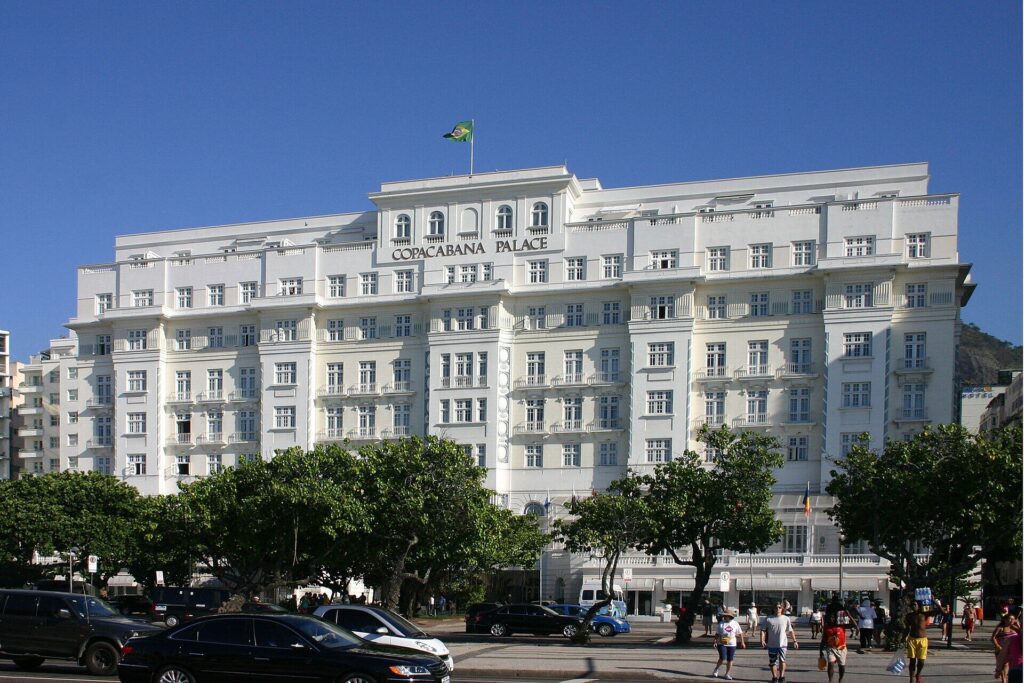
Porters mainly work at larger and upscale hotels. At a small pousada you will probably carry your own bag, and nobody will expect anything. Where a bellhop does carry your luggage, tip in cash as you get to the room.
For housekeeping, leave the money on the pillow or desk each morning, ideally with a short note. Different staff may clean your room on different days, so a single tip at checkout can miss the person who did most of the work. At a few lodges and resorts, you will see a shared staff tip box or envelope at reception; that is a perfectly good way to give, and the front desk can explain how it is split.
Tour Guides and Drivers
This is where a tip matters most. Guides, especially those working for international operators or community-run tours, often rely on tips as part of their income. For a day trip such as Christ the Redeemer, bring the cash in advance and hand it over at the end, not through the tour company.
Multi-day trips work differently. On a lodge-based stay in the Pantanal or the Amazon, your guide, boat driver and lodge staff may all deserve a share. Ask the lodge at check-in whether it uses a pooled tip, and plan the amount per guest per day, as you would in a safari country. Our Pantanal travel guide explains how those stays are set up.
Rides are simple. Tipping Uber drivers in Brazil is not required, not expected and not the local norm. The price in the app is the price. For a street taxi, rounding up is plenty. For private drivers hired for the day, a tip is reasonable if they went out of their way. If you’re comparing transport options, see getting around Brazil.
Cash, Cards and Small Bills
Card prompts are fine for restaurant tips. For anyone else, cash is best, because it reaches the person directly. US dollars are not commonly accepted outside a few tourist-facing businesses, so always tip in reais.
The practical problem is change. ATMs often hand out R$50 and R$100 notes, which are awkward for a R$5 tip. Break large notes at supermarkets, pharmacies and restaurants early in the day, and keep a stash of small bills in a separate pocket. Our guide to money in Brazil covers ATMs, cards and exchange in more detail.
What Changes for US, UK and EU Visitors
US travelers face the biggest adjustment. Tipping 15–20% as a reflex on top of the service charge means you are overpaying by local standards. Visitors used to tipping 15–20% on top of a Brazilian bill are often significantly over-tipping. The one place where the US habit transfers well is guides.
UK travelers will recognize the optional service charge on the bill. The difference is that in Brazil it is very widely applied, and the amount is the standard 10% rather than a figure that varies by restaurant.
EU travelers come from countries with very different habits, from service built into the price to rounding up the bill. In Brazil, check the bill first, then treat the 10% as your tip. For guides, hotel staff and spa treatments, a small cash tip is normal and doesn’t read as excessive.
Planning Your Visit
Add a small tipping line to your daily budget, mostly for guides, porters and housekeeping, since restaurant tips are already in the bill. That keeps it from becoming an afterthought at the end of a long day. For overall budgeting, see how much a trip to Brazil costs.
Withdraw small notes in your first city and keep them separate from your main cash. If a situation isn’t covered here, watch what the locals around you do, or ask your hotel front desk.
Frequently Asked Questions
Is tipping mandatory in Brazil?
No. The 10% service charge on restaurant bills is optional by law, and the Senate’s summary of Law 13.419 confirms that payment remains at the customer’s discretion. Socially, though, people almost always pay it. Tips for guides, porters and housekeeping are voluntary but appreciated, and they are not expected from taxi or rideshare passengers.
Do I tip on top of the 10% service charge?
Usually not. The service charge is the tip, and most Brazilians pay it and leave. If your server was exceptional, adding a few reais in cash is a kind extra, and it goes straight to that person. Tipping a further 10–20% on top is not necessary.
Should I tip Uber or taxi drivers in Brazil?
No, it isn’t expected. Uber and 99 fares are set in the app, and Brazilians rarely add a tip. With a street taxi, rounding up the fare is enough. If a driver helps with heavy luggage or waits for you, a small cash tip is a friendly gesture but never an obligation.
Can I leave a tip by credit card?
Yes, in restaurants. Card machines often ask “Gorjeta?” at the end, and you can enter an amount or press “não”. Check the bill first, because many restaurants have already included the 10% service charge. For guides, porters and housekeeping, cash is much better.
Can I tip in US dollars or euros?
It is better not to. Brazil runs on the real, and foreign cash is awkward for staff to change. Tip in reais, and keep small notes on hand, since ATMs often dispense large bills that are hard to use for a modest tip.
How do I tip at an Amazon or Pantanal lodge?
Ask at check-in. Many lodges handle tipping differently, with some using a shared staff box and others expecting you to tip your guide directly. Bring enough small reais cash, as there may be no ATM nearby, and plan the amount per guest per day.