


If you only want the answer to where to stay in Rio de Janeiro, book Ipanema. It has the best balance of beach, restaurants, walkable streets and metro access, and it works for couples, solo travelers and first-timers alike.
Copacabana is the better pick if you want more hotel choice and lower prices. Leblon suits families and anyone after quiet and polish. Santa Teresa and Botafogo fit specific tastes, and Lapa is better as a night out than a place to sleep. The details below should help you choose.
Where to Stay in Rio de Janeiro: Quick Comparison
| Neighborhood | Best for | Budget | Vibe |
|---|---|---|---|
| Ipanema | First-timers, couples, solo travelers | Mid to high | Polished, lively, walkable |
| Copacabana | Value, big hotel choice, nightlife | Low to mid | Busy, classic, urban |
| Leblon | Families, luxury, quiet stays | High | Residential, upscale |
| Botafogo / Flamengo | Budget, Sugarloaf access, local feel | Low to mid | Urban, practical, less beachy |
| Santa Teresa | Boutique stays, art, views | Mid | Hilly, bohemian, quiet at night |
| Lapa / Centro | Samba nights, history, tight budgets | Low | Gritty, nightlife-focused |
| Barra da Tijuca | Families who want space, long beach days | Mid | Spread out, modern, car-friendly |
Prices shift a lot with the season and with big events, so we describe relative cost rather than nightly rates. For a fuller budget picture, see our breakdown of how much a trip to Brazil costs.
How Rio Is Laid Out

Rio sprawls between mountains and ocean, so a map matters more here than in most cities. Three areas count for visitors: the South Zone, the historic center, and the West Zone.
The South Zone is where most travelers stay. It includes the best-known neighborhoods like Copacabana and Ipanema. Leblon, Botafogo and Flamengo also sit here, along with the lagoon and botanical garden districts. Most major sights are within a short ride.
The center, with Lapa and the hilltop district of Santa Teresa, is more historic and less polished. The West Zone, led by Barra da Tijuca, has beaches that are far less crowded than Copacabana and Ipanema. It is also much farther from the classic postcard sights.
The metro shapes the decision too. Line 1 runs from Tijuca through the center, Botafogo and Copacabana to Ipanema. Since 2017, trains on Lines 1 and 4 run straight through from Tijuca to Barra da Tijuca without a change. Staying within a few blocks of a station makes a big difference to your daily routine.
Ipanema: Best Overall Base

Ipanema is the neighborhood most visitors end up loving. It feels cleaner, more organized and more upscale than Copacabana, yet it still has plenty of life. The beach is excellent, and the grid of streets behind it is packed with cafés, bakeries, restaurants and shops.
It is easy to do on foot. You can walk from your hotel to breakfast, to the sand, to a sunset spot at the rocky end of the beach, and to dinner without ever needing a car. The area around Posto 9 is a popular and sociable stretch of beach.
Two metro stations serve it. Nossa Senhora da Paz station sits between Jardim de Alah and General Osório, and General Osório is where Line 1 ends and Line 4 begins. From General Osório, the ride to Barra da Tijuca takes about 15 minutes.
The trade-off is price. Accommodation and dining cost noticeably more than in Copacabana or Botafogo. If you want the Ipanema feel on a tighter budget, look a few blocks inland or toward the Copacabana border.
Copacabana and Leme: Best Value on the Sand

Copacabana is the Rio of the old postcards. The beach stretches for several kilometers, lined with hotels, restaurants, bars and shops, and the neighborhood has more places to sleep than almost anywhere else in the city. That variety keeps prices lower, from hostels to big beachfront hotels.
It is also busier and rougher around the edges. Petty theft runs higher here than in Ipanema or Leblon, with phone snatching and pickpocketing most common in the crowded central stretch. The street you choose matters. Pick a hotel on a well-lit, active block close to the beach and a metro station, and keep your phone out of sight on the sidewalk.
Three metro stations serve the neighborhood: Cardeal Arcoverde, Siqueira Campos and Cantagalo. That makes day trips to Botafogo, the center and Ipanema very easy.
If you are traveling with kids, consider the eastern end. Families are often steered toward Leme, the quieter eastern part of the district. It keeps the beach but loses some of the intensity.
Leblon: Quiet, Upscale and Family-Friendly

Leblon sits at the western end of Ipanema beach, and the two feel like one long stretch of sand. The mood is different, though. Leblon is Rio’s most residential and refined neighborhood, quieter than Copacabana and consistently ranked among the city’s safest areas.
It has excellent restaurants, boutiques and bookshops, and leafy streets that feel calm after dark. You can walk to Ipanema in minutes. Two Line 4 stations, Jardim de Alah and Antero de Quental, serve the area.
The catch is cost. Leblon is generally the most expensive area in Rio, with far fewer budget hotels than Copacabana or Lapa. If the price stings, Ipanema gives you most of the same benefits for less.
Botafogo and Flamengo: Practical and Cheaper
These two neighborhoods sit between the South Zone beaches and the center. They are not the picture you have in mind for a beach holiday, and they work best for travelers who care more about location and cost than a sunbathing view.
Botafogo has a good restaurant and bar scene, plenty of mid-range stays and hostels, and a metro station that links you quickly to Copacabana and Ipanema. It also puts you close to Sugarloaf Mountain. Botafogo has its own beach, but the water is not recommended for swimming. You will head to Ipanema or Copacabana for that.
Flamengo is calmer and more residential, with a long waterfront park. Catete and Glória stations are nearby. Both areas are less touristy than the beach districts, which many travelers see as a plus. Be careful on quiet streets late at night, as you would in any big city.
Santa Teresa: Boutique Charm on a Hill
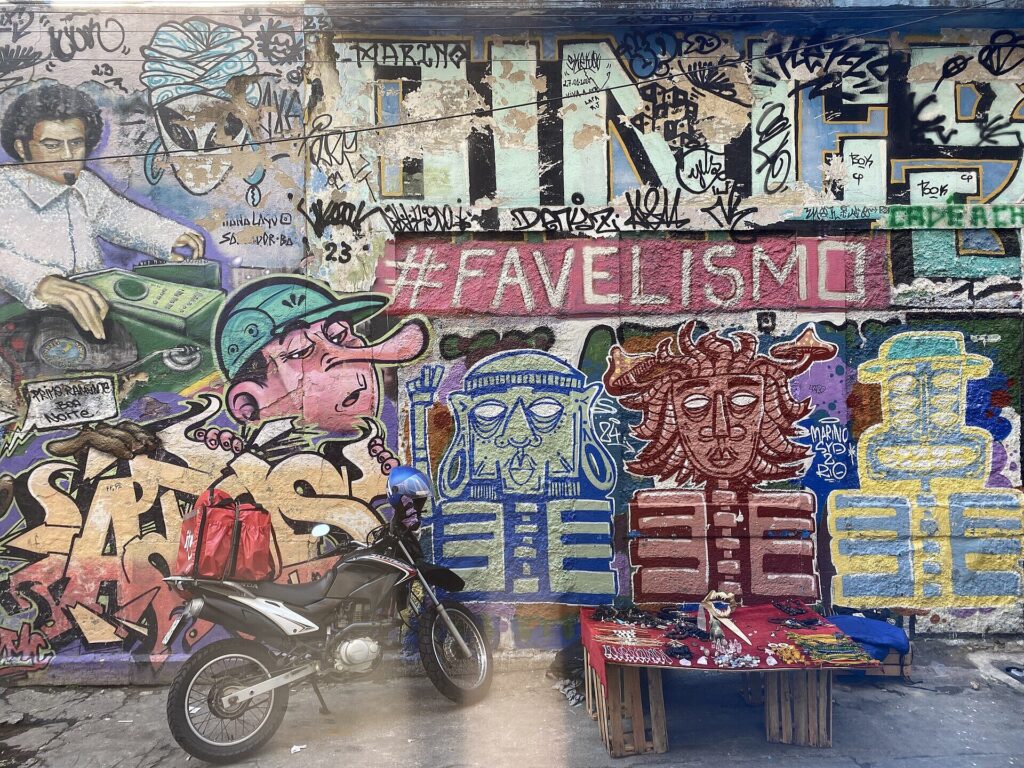
Santa Teresa is Rio’s artists’ quarter. Steep, winding streets climb above the center, lined with colonial mansions, small galleries and guesthouses with views over the bay. The drawbacks are hilly terrain and fewer transport connections, so it is not ideal for beach lovers.
We recommend it for a second stay or for travelers who want atmosphere over convenience. Plan on taxis or ride-hailing for evenings, since walking the hills after dark is not ideal. Many first-timers do better staying on the coast and visiting Santa Teresa for an afternoon.
Lapa and Centro: For Nightlife, Not First Nights
Lapa is the center of Rio’s samba and live music scene, anchored by the white arches of the Carioca Aqueduct. It is exciting after dark and has some of the lowest hotel and hostel prices in the city.
It is also rougher, and the US State Department advisory warns about drugged drinks and bar-based scams, especially in Rio de Janeiro. Go with friends, keep your drinks in view, and take a licensed taxi or ride-hailing car home rather than wandering.
Most of the center around the business district is quiet in the evenings and on weekends. Unless you are on a very tight budget or have a specific reason to be here, the South Zone is a simpler, more comfortable base.
Barra da Tijuca: Space and Wide Beaches
Barra is modern and spread out, with big shopping centers, wide avenues and a long, open beach. It tends to suit families, with a calmer feel and more space than the South Zone.
The drawback is distance. You will rely on the metro, ride-hailing or a rental car to reach Christ the Redeemer, Sugarloaf and the other main sights, and evenings are less walkable. Barra works if you want a resort-style stay, or if you are in town for an event in the West Zone. For a first visit built around sightseeing, it is a poorer fit.
Best Neighborhood by Traveler Type
- First-timers: Ipanema for polish, Copacabana for value.
- Solo travelers: Ipanema or Leblon, where streets stay active and comfortable into the evening.
- Couples and honeymooners: Ipanema or Leblon for beach days, Santa Teresa for a boutique night or two.
- Families: Leblon, Leme or Barra da Tijuca.
- Budget travelers: Copacabana, Botafogo or Flamengo.
- Nightlife seekers: Copacabana or Ipanema as a base, with Lapa as a night out.
- Sightseers: Botafogo or Ipanema for quick metro links to the center and Sugarloaf.
Pairing neighborhoods can also make sense on a longer visit. A few nights in Ipanema and a night in Santa Teresa gives you the beach and the hills. Our guide to the best things to do in Rio de Janeiro will help you decide how much time you need.
Staying Safe Wherever You Sleep
Choosing a good neighborhood lowers your risk, but it does not remove it. The US State Department advisory for Brazil points to crime and kidnapping and says violent crime occurs in urban areas by day and by night. It also tells travelers to avoid informal housing developments (favelas), including on organized tours, since neither tour companies nor police can guarantee safety in these communities.
The advice is practical and consistent. Don’t wear flashy watches or jewelry, don’t resist a robbery, and watch your drinks. The advisory also recommends avoiding walking on beaches after dark. Be careful at ATMs, and use a hotel or well-reviewed building with a front desk if you can.
Rip currents are also a real hazard at Rio’s beaches. Swim near lifeguards and heed the flags. For more on risks and how to handle them, read our honest guide on whether Brazil is safe for tourists.
Getting Around From Your Base
Metro is the easiest way to move between the South Zone, Botafogo and the center. It is air-conditioned, avoids traffic and is generally comfortable for visitors. Ride-hailing apps and licensed taxis fill the gaps, especially at night and to hilly areas like Santa Teresa.
The US government advises its own staff not to use municipal buses because of robbery and assault risk, especially at night. Visitors can reasonably skip them and rely on the metro and ride-hailing instead.
When you compare hotels, check how far each one is from a metro station, not just from the beach. A ten-minute walk to the metro is often worth more than a sea view.
When to Book
Rio fills up around Carnival and New Year’s Eve, and prices rise sharply for both. Book well ahead if your dates overlap, and expect minimum stays at some properties. Beach neighborhoods also get busy in the southern summer, and rain makes shoulder months a little more unpredictable. Our month-by-month guide to the best time to visit Brazil breaks down the seasons.
Holiday weekends and school breaks can push up prices, too. If your dates are flexible, a midweek arrival and a mid-range hotel in Copacabana or Botafogo can save real money.
Planning Your Visit
For most readers, the decision comes down to two choices. Pick Ipanema if you want comfort and walkability, or Copacabana if you want to spend less and be near the metro. Move to Leblon for calm, or to Santa Teresa for a night or two of atmosphere.
Before you book, check your entry rules. US citizens have needed a visa to enter Brazil since April 10, 2025, and the US Embassy notice points applicants to the government-authorized e-visa portal. UK and EU rules are different, so confirm your own requirements before you travel.
If Rio is your first stop in a longer trip, our Rio de Janeiro travel guide for first-time visitors covers the rest of the city, from sights to local etiquette.
Frequently Asked Questions
What is the best area to stay in Rio de Janeiro for first-time visitors?
Ipanema is the best all-around choice for most first-timers. It combines a great beach, good restaurants, walkable streets and metro access in a comfortable setting. Copacabana is the better option if you want more hotel choice and lower prices, though it has more petty theft.
Is Copacabana or Ipanema better to stay in?
Ipanema feels more polished, quieter at night and stronger for dining, but costs more. Copacabana offers more accommodation variety and better value, with busier streets and more petty theft. Both have metro stations and long beaches, so your budget and preferred atmosphere should decide.
Which Rio neighborhood is best for families?
Leblon is a top choice, with quiet residential streets, a calmer beach and good restaurants, though it is expensive. Leme, at the eastern end of Copacabana, is a cheaper beachfront option. Barra da Tijuca suits families who want more space and wide beaches, though it is farther from major sights.
Is it safe to stay in Santa Teresa or Lapa?
Both can be fine with sensible precautions, but they are not ideal for a first trip. Santa Teresa has steep, quiet streets that are best avoided on foot after dark. Lapa has lively nightlife and a higher risk of drugged drinks and scams. Use taxis or ride-hailing at night.
What is the cheapest good area to stay in Rio?
Copacabana, Botafogo and Flamengo usually give the best value for a good location. Copacabana has the widest range of hotels and hostels near the beach. Botafogo and Flamengo have less beach appeal but good restaurants, metro links and easy access to Sugarloaf and the center.
Do I need a car if I stay in the South Zone?
No. In Ipanema, Copacabana, Leblon and Botafogo you can walk to the beach and restaurants, and the metro covers longer trips. Ride-hailing apps and licensed taxis handle evenings and hilly areas. A rental car is more useful in Barra da Tijuca, and rarely needed elsewhere.