


The best way to handle a Christ the Redeemer visit is simple: go on a weekday, aim for the first departure of the morning, book a timed ticket ahead of time, and check that the summit is out of the clouds before you commit. Do those four things and you will spend far less time in lines and far more time looking at one of the great city views on the planet.
Everything else in this guide supports that plan. You’ll find how to get up the mountain, when the crowds peak, what the weather does to visibility, how to avoid common mistakes, and where to go if the statue is hiding behind cloud on the day you planned.
What You’re Actually Visiting
Christ the Redeemer (Cristo Redentor in Portuguese) stands on top of Corcovado, a granite peak that rises roughly 700 meters above the city, inside Tijuca National Park. The statue is about 30 meters tall, not counting the pedestal, and its arms stretch some 28 meters from fingertip to fingertip. It was completed in 1931.
It is made of reinforced concrete covered in small soapstone tiles, a design involving the French sculptor Paul Landowski and the Brazilian engineer Heitor da Silva Costa, among others. Inside the base there is a small chapel. It was named one of the New Seven Wonders of the World in 2007, which only added to the traffic.
Here is what surprises first-timers: the statue is smaller than the photos suggest, and the views are bigger. You are standing on a mountain above a city wrapped around lagoons, beaches, forested peaks and a bay. For many visitors the panorama is the real reward, and the statue is the frame.
Ways to Get Up Corcovado
There are several ways to reach the top. Each has different trade-offs in comfort, flexibility and crowds. Departure points and operators can change, so check the official operator pages before you go.
| Option | How it works | Best for | Watch out for |
|---|---|---|---|
| Corcovado train | Historic rack railway from Cosme Velho station, a ride of roughly 20 minutes through the forest | Scenery, a calm approach, first-timers | Popular departures sell out; lines build up by late morning |
| Official van | Vans run up the road, with departure points in several parts of the city, including Copacabana | Convenience, flexible start points | Can be crowded at midday and sunset |
| Taxi or ride-hail to a transfer point | Drops you partway, where you switch to official transport | Travelers staying far from the railway | Confirm the drop-off point; private cars generally can’t go all the way up |
| Hike from Parque Lage | A forest trail that climbs for a couple of hours | Fit, early-rising walkers | Heat, humidity, slippery sections; go with a guide |
| Organized tour | Transport, timing and sometimes extra stops bundled together | Visitors who want zero logistics | Group pacing; ask exactly how long you get at the top |
The train
The railway predates the statue by decades, and the ride is part of the experience. The carriages climb steadily through dense Atlantic forest, and you may catch glimpses of the city through the trees as you rise. It is the calmest way up, and the one we recommend for a first visit.

The catch is capacity. Trains run on a schedule, and the popular slots fill early. Book ahead, and treat the first departures of the day as the prize.
Official vans
Vans are the practical choice if you are staying in Copacabana, Ipanema or Barra and would rather not cross town to Cosme Velho. The route goes by road, and you ride to the top section rather than climbing the final stretch on foot. Stick to the official service and buy tickets from official channels, not from someone on the sidewalk.
Hiking
The trail from Parque Lage is a real climb through forest, with shade, but also heat and humidity. It rewards early starters and people who are comfortable on uneven ground. Go in the morning, carry plenty of water, tell someone your plan, and consider a licensed guide. Do not attempt it after rain or late in the day.
Also check whether you’ll need a separate ticket for the statue area at the top. Rules on this can change, so confirm on the official site.
Tours
A tour makes sense if you’d rather hand off the planning, or if you want to combine the statue with other sights in a single outing. Choose one that clearly states the departure time, how long you spend at the summit, and whether entry is included.
Timing Your Christ the Redeemer Visit to Beat the Crowds
Crowds at the summit are not constant. They surge and fall in a predictable pattern, and you can work with it.
Time of day
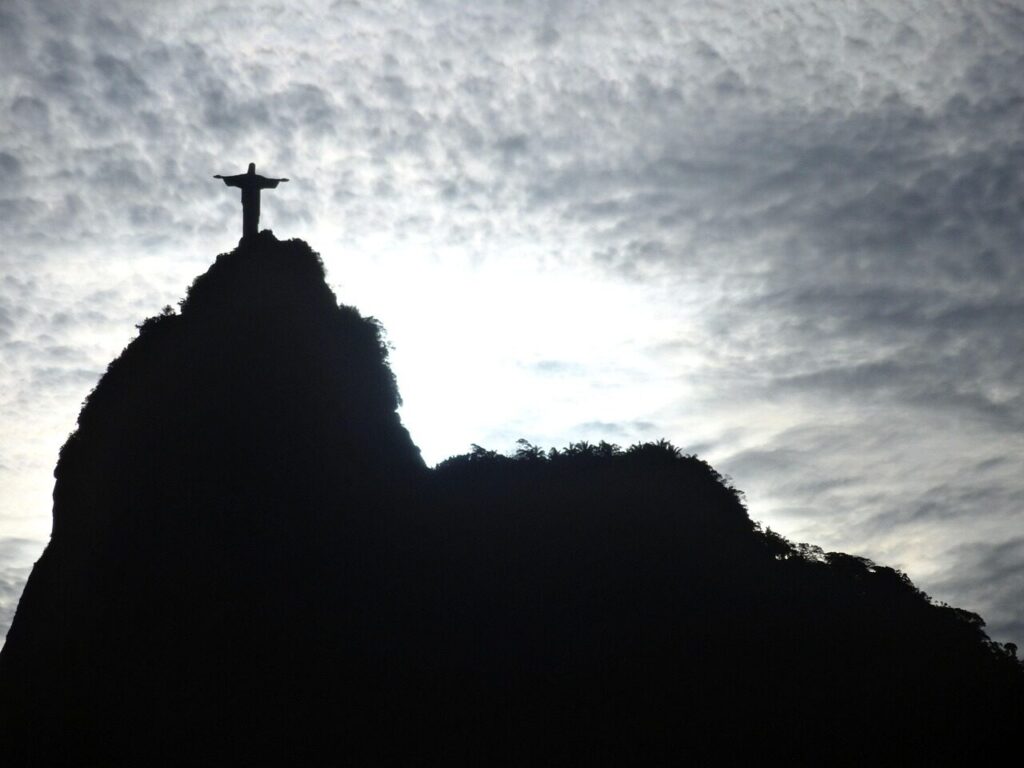
The first departures of the morning are the quietest and often the clearest. The air is cooler, the haze has not built up, and the tour groups have not arrived yet. This is the single best move you can make.
Midday is the worst window. Tour buses, cruise passengers and day-trippers overlap, and the viewing platform around the statue becomes a scrum of selfie sticks. Late afternoon is better, but it turns busy again as people chase sunset.
Sunset is gorgeous and also the most crowded time of all. If you want it, accept the crowd, arrive well ahead of golden hour, and expect to spend extra time on the way down. If you’d rather have space, choose the morning and save sunset for another viewpoint (more on that below).
Day of the week
Weekdays are calmer than weekends. Brazilian holidays and school vacation periods also bring more local visitors, so a long weekend can be as busy as the biggest tourist season. If your schedule is flexible, aim for Tuesday through Thursday.
Time of year
The Rio winter, roughly June through August, tends to have drier and clearer days with lower humidity, and that suits the summit well. The summer months are hot and sticky, with a higher chance of afternoon storms and cloud rolling over the peak. Carnival and New Year’s bring heavy visitor numbers across the city. Our month-by-month guide to the best time to visit Brazil goes into the seasons in more detail.
Checking the Weather Before You Go Up
This is the step most visitors skip, and it is the one that most often ruins the trip. Corcovado catches cloud easily. You can stand at the base under a bright sky and arrive at the top inside a white wall, unable to see the statue’s face, let alone the city.
Before you leave, look at the sky over the mountain from wherever you are. If the summit is visible from your neighborhood, that is a good sign. If a cap of cloud sits on the peak, wait. Conditions can change within an hour, and a short delay often pays off. Many people also check live webcams of the statue, and some hotel front desks will give you an honest read of the day.
If you’ve booked a timed ticket, find out the change or cancellation terms when you buy it. That flexibility matters more than any small saving.
A few other weather points:
- It is windier and cooler at the top than at sea level, so bring a light layer.
- Sun is strong. Wear a hat and sunscreen even when it looks overcast.
- Rain makes the platform slippery and the views disappear, so skip a rainy day if you can.
- Lightning is a real feature of storms on the peak, and conditions can close parts of the site. Respect staff instructions.
Tickets and Booking
Book in advance. Timed tickets for the train and the vans are widely sold online, and the best slots sell out, particularly in high season and on weekends. We can’t list current prices or schedules here because both change, so use the official operator websites for the latest details.
A few practical rules of thumb:
- Buy only from the official operator or a reputable, clearly identified seller. Be skeptical of anyone offering “skip-the-line” deals on the street.
- Pick the earliest slot you can realistically make, and be at the departure point early.
- Keep your ticket and any confirmation on your phone, with a screenshot in case the signal is poor.
- Check whether your ticket covers both the transport and entry to the statue area, or whether they are separate.
- Ask about discounts. Some categories of visitors may qualify, but eligibility rules vary, so confirm them officially.
If you’re building a budget, the statue is usually one of the larger single-attraction costs in Rio, though still modest compared with a lot of Europe and the US. Our breakdown of what a trip to Brazil costs puts it in context.
What to Do at the Top
The summit has a viewing platform around the base of the statue, with elevators and escalators to help you up the last stretch, so it is more accessible than many people expect. Even so, check accessibility details with the operator if you use a wheelchair or have limited mobility.
Give yourself a plan rather than drifting:
- Look at the view first. Walk the edges of the platform before you fight for the statue photo. From here you can pick out Sugarloaf, Botafogo Bay, Lagoa Rodrigo de Freitas, Ipanema and Leblon, the Maracanã stadium, and the Rio-Niterói bridge on a clear day.
- Visit the chapel. The small chapel at the base is dedicated to Our Lady of Aparecida, Brazil’s patron saint. It is often overlooked, and it is a quiet corner.
- Take your statue photos last, or first if you arrive early, when the platform is thin.
- Leave before you’re tired. Forty-five minutes to an hour at the top is enough for most people. More is fine if the view is clear and the crowd is light.
Photo tips
The famous pose, with a visitor standing in front of the statue and mimicking its outstretched arms, is a ritual up here. You’ll see people crouching and lying on the ground to get the angle. If you want that shot, be patient, be polite, and expect to take turns.
The best statue photos often come from slightly to the side, with the figure against sky, rather than straight on. A wide-angle phone lens helps. For a cleaner image, shoot in the early morning when fewer people are in your frame.
Safety and Common Mistakes
The summit itself is a managed tourist site with staff and plenty of people, and it is generally comfortable. The risks tend to show up around the edges: the trip there, informal sellers and the hike.
- Use official transport. Avoid unmarked vans or people who approach you offering a “special” ride or a shortcut.
- Keep valuables tight. Crowded platforms are classic pickpocket territory in any city. Carry only what you need, and keep your phone in hand or in a zipped pocket.
- Don’t hike alone or late. Take the trail only in good conditions, in the morning, and preferably with a guide.
- Bring water. Prices at the top are higher than in the city, and you may spend a while in the sun.
- Don’t over-schedule the day. Queues and weather can eat hours. Leave a buffer.
For a wider read on the city, see our guides to staying safe in Rio, neighborhood by neighborhood and, for the whole country, whether Brazil is safe for tourists.
A Half-Day Plan That Works
Most people need about half a day for the statue, counting transport, waiting and time at the top. A sensible sequence looks like this:
- Check the sky and any live camera in the early morning.
- Take the first or one of the first departures you’ve booked.
- Spend roughly an hour at the summit, view first, statue second.
- Come down and have a late breakfast or early lunch nearby, in Cosme Velho or Laranjeiras.
- Spend the afternoon at the beach or a lower-key sight, and save your energy.
If you are staying in the south zone, the trip is easy to bolt onto a day in Copacabana, Ipanema or Botafogo. Our guide to where to stay in Rio de Janeiro will help you pick a base with easy access to the official departure points.
Other Views If the Statue Is in the Clouds
Rio is a city of viewpoints, so a closed-in morning on Corcovado doesn’t have to end your plans. Two good alternatives work as backups or as additions to your list.

Sugarloaf Mountain
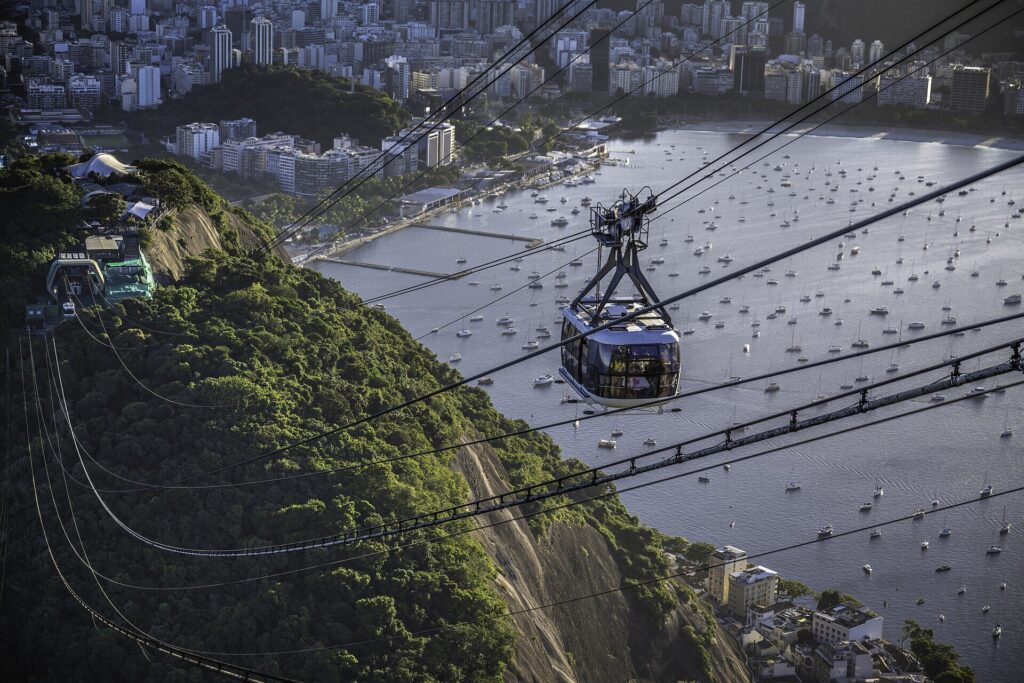
Sugarloaf (Pão de Açúcar) is reached by a two-stage cable car, and it gives you a very different perspective: the bay, the beaches of Botafogo and Copacabana, and, on a clear day, Corcovado with the statue itself across the way. It is a natural pairing, often at sunset, which can also be a way to avoid the Corcovado sunset crush.
Other lookouts
- Arpoador: a rocky point between Copacabana and Ipanema, a local favorite for watching the sun go down over the water. It is free and informal.
- Mirante Dona Marta: a lookout in Tijuca National Park with a wide sweep over the city and Corcovado. Go with a licensed operator or tour, and check current access.
- Lagoa Rodrigo de Freitas: from the lakeside path, the statue appears above the water, which makes a nice early-morning photo, and it’s lit up at night.
For more ideas to fill your days, browse our list of the best things to do in Rio de Janeiro.
Planning Your Visit
To keep it simple, here is the short version for your Christ the Redeemer visit:
- Choose a weekday morning, ideally in the drier months.
- Book a timed ticket for one of the earliest departures through an official channel.
- Check the summit for cloud before leaving, and be willing to shift by an hour or a day.
- Take the train for scenery, or an official van for convenience. Hike only with preparation.
- Bring water, sun protection and a light layer, and keep your valuables close.
- Plan Sugarloaf or Arpoador for sunset instead of fighting the summit crowd.
If this is your first time in the city, our Rio de Janeiro travel guide for first-time visitors covers the wider picture, from neighborhoods to getting around. You can also browse more historic sites in Brazil to add to your itinerary.
Frequently Asked Questions
What is the best time of day for a Christ the Redeemer visit?
Go on one of the first departures of the morning. The air is cooler, the light is clear, and the tour groups have not yet arrived. Midday is the most crowded, and sunset is busy too. Choose a weekday over a weekend, and check that the peak is free of cloud before you set off.
How long does a Christ the Redeemer visit take?
Plan on about half a day in total. The ride up takes a short while, but queues, ticket checks and the trip back down add time. Most people spend roughly an hour at the summit. Add a buffer for weather delays, particularly if you are traveling at peak season or on a weekend.
Do I need to book Christ the Redeemer tickets in advance?
Yes, we recommend it. Timed tickets for the train and official vans are sold online, and the best morning slots tend to sell out, especially on weekends and in high season. Buy through the official operator or a reputable seller, and check the current rules on the official site before you go.
Is it better to take the train or the van to Christ the Redeemer?
The train is the more scenic option, running through Tijuca forest from Cosme Velho. Official vans are more convenient if you are staying in Copacabana, Ipanema or Barra, since they leave from several points in the city. Both can be crowded at midday, so the time you travel matters more than the mode.
What if Christ the Redeemer is covered in clouds?
Wait if you can. Cloud on Corcovado often clears within an hour or two, and a change of day can help even more. Check the peak from your neighborhood or a live webcam before leaving. If conditions stay poor, Sugarloaf Mountain or Arpoador give you excellent views of the city instead.
Is it safe to hike up to Christ the Redeemer?
The trail from Parque Lage can be done, but it is a steady, hot climb through forest, and it is best attempted in the morning in dry weather. Go with a licensed guide if you are unsure, carry plenty of water, and avoid hiking alone or late in the day. Check current conditions beforehand.