
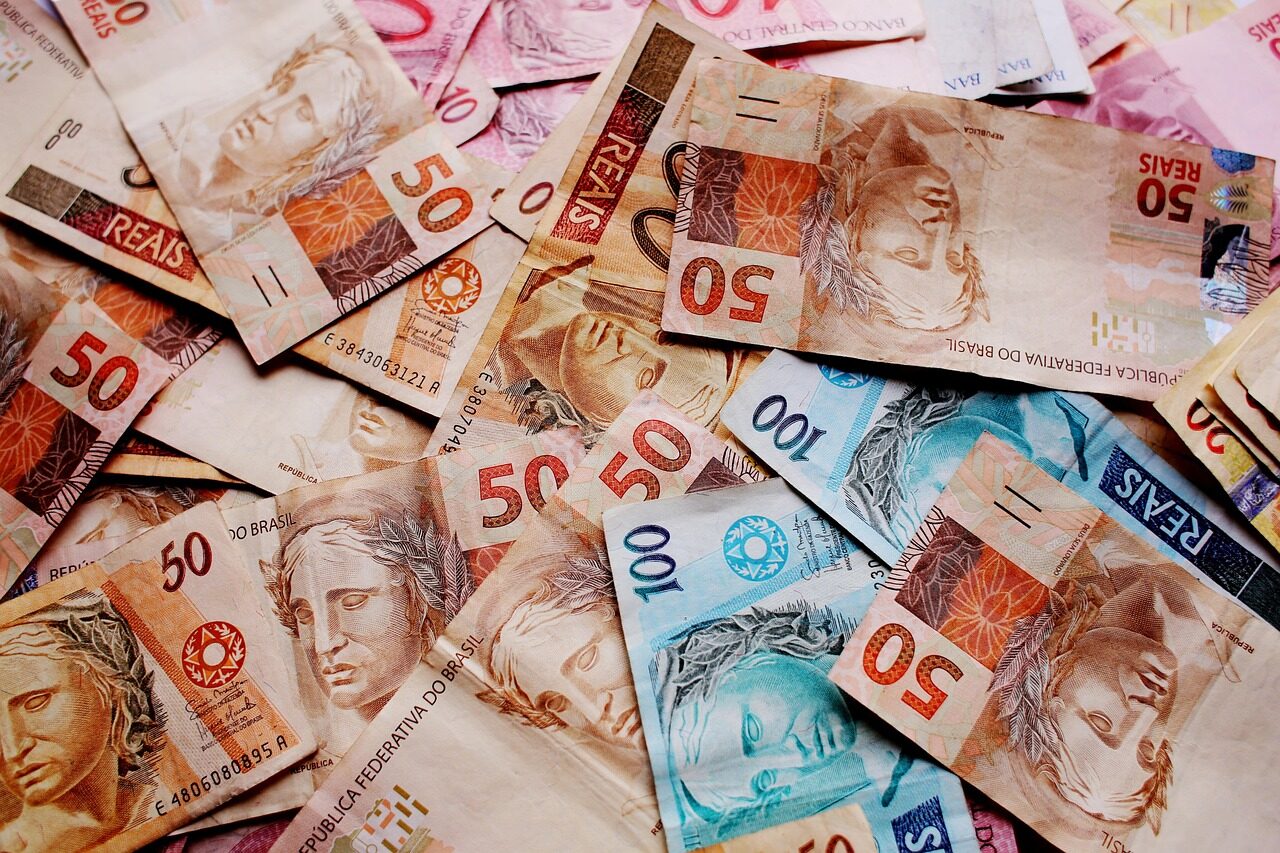

Money in Brazil is simpler than its reputation suggests. Bring a Visa or Mastercard with no foreign transaction fee, withdraw a modest amount of reais for small purchases, and treat cash as your backup rather than your main plan. By law, the Brazilian real is the only currency accepted in Brazil.
What catches visitors off guard is not the cards. It is Pix, the instant-payment system most Brazilians use for everything. It is also ATMs that cap withdrawals and charge flat fees, and small vendors who prefer cash or Pix. This guide covers each piece, with notes where US, UK and EU travelers differ.
Money in Brazil at a Glance
Most trips run on a mix of three tools. The table below shows what each one is good for and where it lets you down.
| Method | Best for | Main drawback |
|---|---|---|
| Foreign Visa or Mastercard | Hotels, restaurants, pharmacies, supermarkets, tours, ride apps | Issuer fees; small vendors may not take it |
| Brazilian reais in cash | Beach kiosks, markets, tips, small shops, rural areas | ATM fees and limits; theft risk |
| Pix through a tourist wallet | Small businesses that only show a QR code | Needs a separate app, passport verification and a close look at its fees |
| US dollars or euros in cash | Emergency backup for exchange | Exchange rates are worse than card or ATM rates in most cases |
For a one-week city trip, a card plus a few hundred reais in small notes is enough. Longer trips with rural stops, riverboats or small beach towns call for more cash and more planning.
The Brazilian Real: Notes, Coins and How Prices Are Written
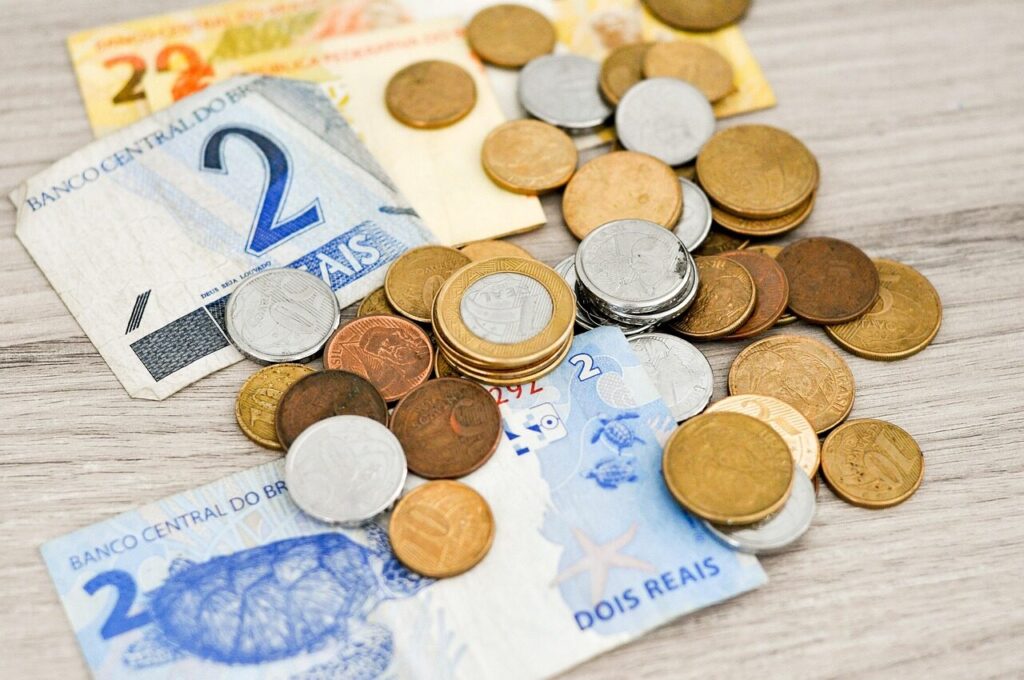
The currency is the real (plural reais, pronounced roughly “hay-ICE”). The symbol is R$ and the bank code is BRL. Brazil uses a decimal comma, so R$ 12,50 means twelve reais and fifty centavos. A period separates thousands, so R$ 1.200 is one thousand two hundred.
Notes come in R$2, 5, 10, 20, 50, 100 and 200. Each shows a different animal on the back, and the colors differ enough to tell them apart quickly. Coins cover R$1 plus 5, 10, 25 and 50 centavos.
The practical issue is change. A kiosk selling a R$8 water will often refuse a R$100 or R$200 note. Break large bills at supermarkets, pharmacies and hotel reception, and keep a stash of R$10 and R$20 notes for daily use.
Exchange rates move constantly, so we do not quote a conversion here. Check the live rate before you fly, and do the same mental math every time you see a price: divide by the current rate, not by a number you remember from a previous trip.
Using Foreign Cards in Brazil
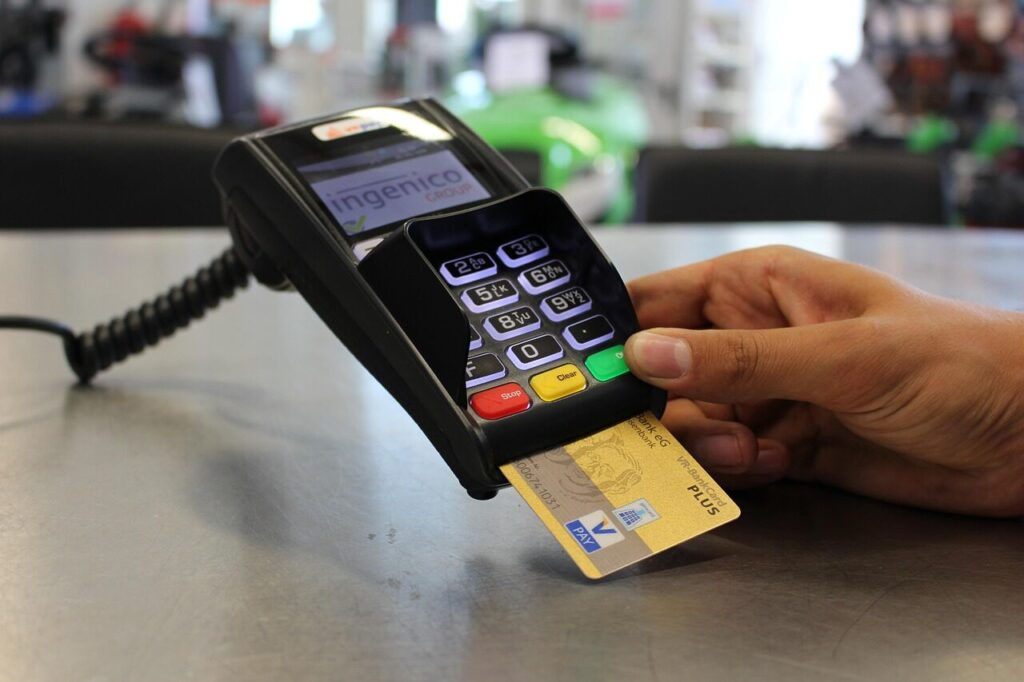
Cards are the backbone of tourist spending. International Visa and Mastercard cards are accepted at the overwhelming majority of Brazilian businesses, including hotels, restaurants, pharmacies, and supermarkets. Contactless payment is common in cities, and your phone wallet will usually work wherever a contactless terminal exists.
What a card really costs
Brazil has a financial-operations tax called IOF, and it confuses travelers. The 3.5% rate you will see quoted online applies to Brazilian-issued cards used abroad. Foreign currency entering Brazil to cover spending on a card issued abroad is taxed at zero. Some travel sites claim tourists pay the 3.5% too, but the rule points the other way. Tax rules do change, so glance at your first card statement to confirm.
The costs you can actually expect come from your own bank. Many cards charge up to about 3% as a foreign transaction fee, while travel cards charge 0%. That is why a no-fee card is the single most useful thing to pack.
Pay in reais, in full
If a terminal asks whether you want to pay in dollars, euros or pounds, always choose reais. The offered conversion, known as dynamic currency conversion, usually carries a markup. Brazilian merchants may also ask whether you want to pay à vista or parcelado. Choose à vista, which means in one payment. Installments are a local custom and add nothing for visitors.
You will also be asked débito ou crédito? even when you hand over a foreign card. Answer with whichever type you actually have. If your credit card has a PIN, set it up before you leave, because some terminals ask for one.
What differs for US, UK and EU cardholders
- US: Many mainstream credit cards add a foreign transaction fee, so check your issuer. Apply for a travel card well before departure if yours charges one.
- UK: Several digital banks and some credit cards waive foreign fees, but check their ATM withdrawal caps. A credit card also gives you Section 75 protection on eligible purchases, which a debit card does not.
- EU: Check the logo on your debit card. Visa Debit and Mastercard Debit generally work worldwide. V Pay and some Maestro cards are built for use in Europe and often fail outside it, so bring a second card on a global network.
Whatever your passport, carry at least two cards from different banks and keep one stored separately from your wallet.
Pix: The Payment System You Will See Everywhere
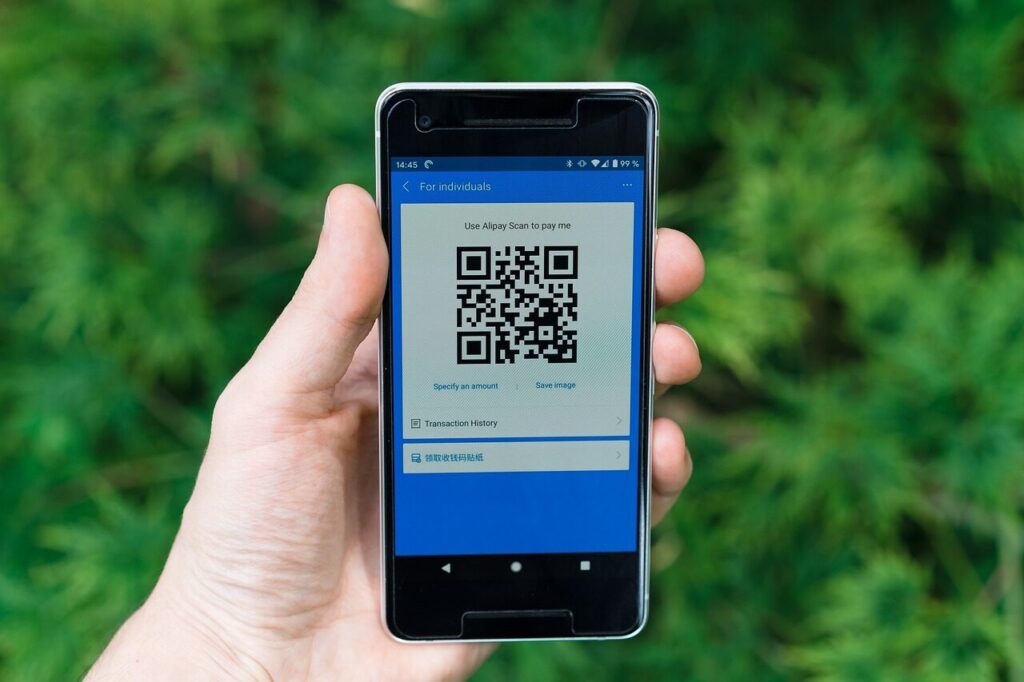
Pix is an instant bank-to-bank payment system. It was launched by Brazil’s central bank in late 2020. You will see QR codes at market stalls, taped to taxi dashboards and printed on menus. Some shops advertise a discount for paying this way, since they avoid card processing fees.
The catch for visitors is access. Native Pix requires a CPF, the Brazilian tax ID, plus a Brazilian bank account. Your home bank does not connect to the system, and a foreign card cannot top up a Pix balance directly.
Workarounds for tourists
Some foreign-run wallet apps let you sign up with a passport, load money from your home card and scan Pix QR codes. Sign-up uses your international passport, and you can top up with a home-country card or a bank transfer. Before you rely on one, check three things: who regulates it, what exchange rate it applies, and what fees it shows before you confirm a payment.
You can also obtain a CPF and open a local account, but that is a project for long stays. For a trip of a few weeks, a card plus cash covers almost everything. A Pix wallet is a convenience, not a requirement.
Pix matters most at the small end of the economy. The açaí stand, the corner mercadinho and the moto-taxi driver are exactly the kind of businesses where a foreign card may not be accepted. Ask aceita cartão? before you order, and keep a few small notes for those moments.
Getting Cash: ATMs and Currency Exchange
An ATM is the cheapest way to get reais for most travelers, but the details matter. Choose machines that show the network logo on your card, such as Visa/Plus or Mastercard/Cirrus. Banco24Horas publishes support for major international brands including Visa, Mastercard, Maestro and Discover. Those red machines turn up in malls, gas stations and pharmacies. Bradesco, Banco do Brasil and Santander machines are other common options.
Fees and limits
Costs stack up in three layers: the ATM operator’s fee, your bank’s foreign ATM and transaction fees, and the exchange spread. Reports put the operator fee at around R$20 on Banco 24 Horas machines. Other sources quote lower figures, so read the fee screen and cancel if it looks wrong.
Limits are not standardized. There is no universal tourist limit. Your card issuer, the ATM operator, the time of day, the notes available and fraud controls can each set a cap. Per-transaction caps of roughly R$1,000 to R$1,500 are commonly reported. Night limits are often lower, and some banks cut them to a few hundred reais after dark.
Because the fee is flat, pull out the most the machine allows rather than making several small withdrawals. Then decline any conversion offer on screen and let your own bank convert. If a card is rejected, try another machine from a different network before assuming the card is blocked.
N26’s guide to using a debit card in Brazil is a useful bank-side reference for PIN and withdrawal basics.
Exchanging foreign cash
You can also change dollars, euros or pounds at an authorized exchange office. The central bank’s page for travelers says foreign currency should be exchanged for reais at an institution authorized to trade foreign exchange, or at its correspondents. The same page says transactions up to US$3,000 equivalent require only an official ID. You can read the details on the Banco Central do Brasil traveler page.
Airport counters usually offer weaker rates than exchange offices in town. If you bring cash to exchange, bring crisp, undamaged US dollar or euro notes, which are the easiest to change. Pounds are accepted in fewer places.
Carrying Cash and the Customs Declaration Rule
Most tourists never come close to the declaration threshold, but it applies to everyone, whatever the passport. Entering with more than the equivalent of US$10,000 requires an electronic declaration (e-DBV) listing the cash, checks and traveler’s checks. Carrying more is not illegal. It just has to be declared.
Failing to declare can lead to the excess being seized, and fines are possible. Departures are covered by similar rules, so check the Receita Federal’s current guidance before you fly out with a large amount.
Keeping Your Money Safe
Most money problems in Brazil come from a handful of situations, and all of them are avoidable.
- Choose ATMs carefully. ATMs inside bank branches, lobbies or shopping malls are safer, given card cloning and other scams. Skip street machines, especially at night.
- Keep your card in sight. Ask for the portable card machine to be brought to your table, and never let a card leave your view.
- Split your funds. Carry one card and a day’s cash. Leave the spare card and extra notes in the hotel safe.
- Have mobile access to your bank. You can freeze a card or move money quickly if something goes wrong, which makes a stolen wallet far less stressful.
Neighborhood-level advice is in our guide to staying safe in Rio de Janeiro, including where to avoid pulling out a phone or a wad of notes.
Everyday Cash: Beaches, Tips and Small Purchases
Cash earns its keep on the beach. Vendors on Copacabana and Ipanema sell drinks, grilled cheese and snacks, and many take only notes or a Pix QR code. Bring small bills and leave valuables at the hotel when you head to the sand.
In restaurants, a service charge of around 10% is commonly printed on the bill as serviço. Check the receipt before adding anything on top. For taxi drivers, hotel porters and tour guides, a small cash tip is appreciated, so keep a few R$10 and R$20 notes handy.
Cash matters more once you leave big cities. On riverboats, in small Amazon towns and at remote lodges, card machines are scarce and connections drop. Our guide to visiting the Amazon rainforest covers what to arrange in advance.
A few phrases make payment smoother:
- Aceita cartão? Do you take cards?
- Aceita Pix? Do you take Pix?
- Tem troco? Do you have change?
- À vista: in one payment.
More vocabulary for shops, taxis and restaurants is in our list of Brazilian Portuguese phrases for travelers.
Planning Your Visit
Fees, tax rules and ATM policies can change, so confirm your card’s foreign fees and withdrawal caps with your bank shortly before you fly. The central bank’s traveler page is the reference for exchange and cash rules.
To size your budget, start with our breakdown of how much a trip to Brazil costs, then adjust for your route and travel style. For everything else that is not money, such as transport, connectivity and local etiquette, see 30 things to know before you go.
Frequently Asked Questions
Can I pay with US dollars or euros in Brazil?
Not reliably. The real is the only legal currency, and most businesses will not take foreign notes. A few tourist-oriented shops or tour operators may accept dollars or euros, usually at a poor rate. Treat foreign cash as something to exchange at an authorized office, not to spend directly.
Should I tell my bank I am traveling to Brazil?
Yes, if your bank still uses travel notices, or at least check that your app lets you unfreeze a card quickly. Fraud systems sometimes block first-time purchases abroad. Confirm your PIN works for cash withdrawals, and keep a second card from another bank as a backup.
Do Apple Pay and Google Pay work in Brazil?
Usually, wherever the terminal supports contactless payments, which includes many shops, restaurants and transport services in large cities. Smaller or rural businesses may not have contactless terminals. Keep a physical card with you, since the terminal may still ask for a PIN.
Are traveler’s checks worth bringing?
No. They are rarely accepted outside a few exchange offices, the process is slow, and a card with low fees is both cheaper and easier. They also count toward the cash declaration threshold when entering Brazil with large amounts.
What do I do with leftover reais at the end of the trip?
Spend them at the airport or exchange them back before leaving, expecting a weak rate. Reais are hard to change in most countries outside Brazil. If you plan to return, keep a small amount in an envelope for your first taxi or snack.
How much cash should I carry day to day?
Enough for a day or two of small purchases, such as beach snacks, tips and places that do not take cards. Keep the rest in your accounts and withdraw when needed. In remote areas, carry more than you think you need, because ATMs may be far away.