
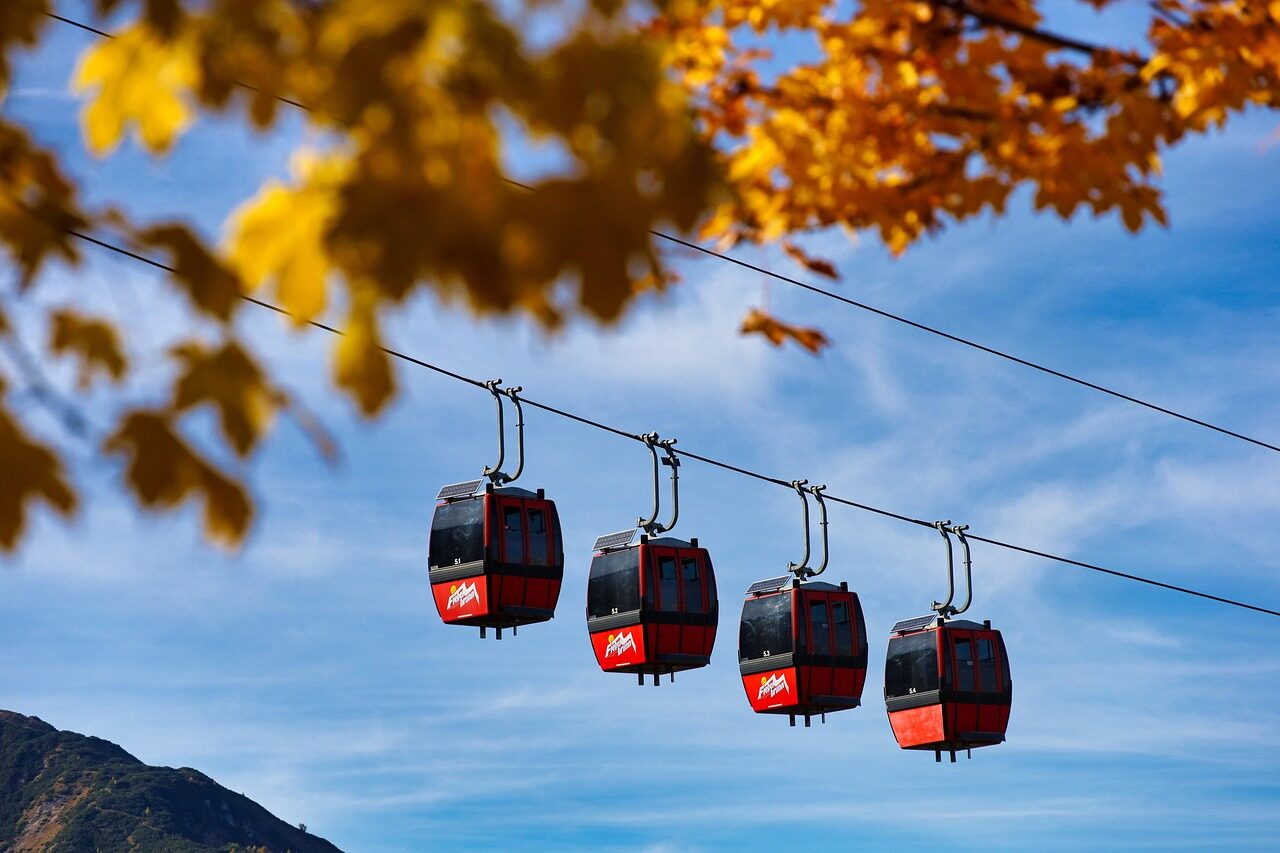

Sugarloaf Mountain in Rio is worth the visit, and the best way to do it is simple: ride the cable car in the late afternoon, stay on the summit through sunset, and come down after the city lights have come on. If you have the energy and a clear morning, you can swap the first cable car stage for a short forest hike up Morro da Urca.
This guide covers how the two-stage ride works, what the hike is really like, whether climbing the main peak is realistic, and how to time your visit so you are not looking at a gray wall of cloud. For the other big viewpoint in the city, see our guide to visiting Christ the Redeemer without the crowds.
How the Sugarloaf Mountain Rio Cable Car Works
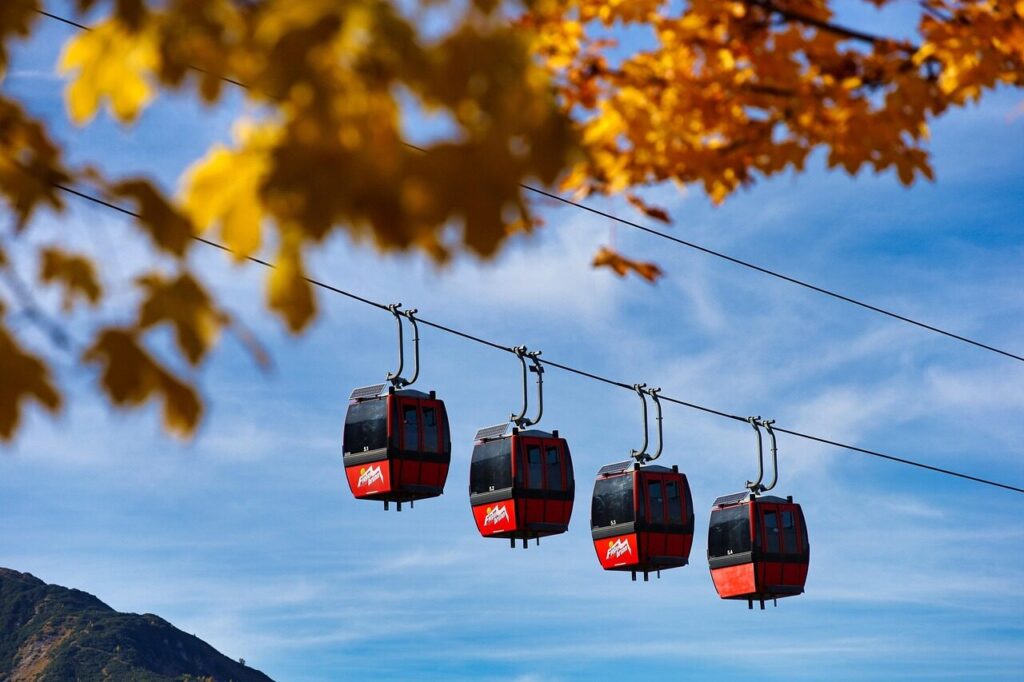
Sugarloaf (Pão de Açúcar in Portuguese) is a granite peak at the mouth of Guanabara Bay, in the Urca neighborhood. The cable car reaches it in two stages. The first runs from the base station at Praia Vermelha up to Morro da Urca, a smaller hill. The second continues from Urca to the Sugarloaf summit, a few hundred meters higher.
The system dates back to the early twentieth century and is among the oldest cable cars in the world. The cars you ride today are modern, with big glass windows, and you will mostly be standing. Each leg takes only a few minutes, so the experience is more about the view than the ride.
Morro da Urca is not just a transfer point. It has an open terrace with its own view of Botafogo Bay and the Rio skyline, plus a snack bar, restaurants and a small event space. Many visitors rush through it. Pausing here on the way down, when the light is soft, is often better than fighting for a railing at the top.
Why this viewpoint is different
Christ the Redeemer gives you a view of the city from above and behind. Sugarloaf puts you at the water’s edge, looking back at Rio’s curved coastline. You see the city’s bays, beaches and mountains in a single frame, which is why photographers prefer it for the golden hour.
Tickets, Hours and Ways to Do It
Ticket prices and opening hours change, so check the official operator’s website before you go. In general, the park opens in the morning and runs into the evening, so a sunset visit is always possible. Buying online in advance usually lets you skip the ticket-counter line, which can be long at peak times. Confirm whether your ticket is tied to a time slot.
Foreign cards are normally accepted for online purchases, whether issued in the US, UK or EU. Reduced fares for students, seniors and children tend to follow Brazilian rules and may require Brazilian documents. Do not count on a discount as a visitor. Ask at the counter if you think you may qualify.
| Option | Best for | What to know |
|---|---|---|
| Cable car both stages | Most visitors, sunset, families | Easiest option, but crowded around golden hour |
| Hike to Urca, cable car to the summit | Active travelers, morning visits | Short and steep trail; ticket for the second stage needed |
| Guided climb of Sugarloaf | Experienced or adventurous visitors | Needs a licensed guide and gear; weather dependent |
Hiking Morro da Urca
The trail up Morro da Urca is the one hike at Sugarloaf that ordinary visitors can do on their own. It starts near Praia Vermelha, climbs through Atlantic forest, and takes most people somewhere between 30 and 60 minutes depending on fitness and heat. It is short but steady, with steps, roots and a few spots where handrails or light scrambling help.
It is not technical, but it is not a stroll either. Wear closed shoes with grip, bring water, and go early, because the climb is mostly in the open or in humid forest. Trail access is tied to daylight hours, so ask at the entrance for current times and avoid starting late.
At the top you are at Urca, not Sugarloaf itself. For the summit you normally buy a ticket for the second cable car stage at the Urca station. You can also take the cable car back down, which saves your knees after a hot climb.
The flat alternative: Pista Cláudio Coutinho
If you want green space without the climb, the paved path along the base of Morro da Urca is a pleasant seaside walk. It is flat, shaded in parts, and popular with locals for walking and running. Small wild marmosets are often spotted in the trees. Enjoy them from a distance and do not feed them.
Climbing Sugarloaf Itself
Getting from Urca to the summit on foot is rock climbing, not hiking. Several established routes exist, and licensed local guides run half-day trips with ropes, harnesses and helmets. Some routes are considered suitable for beginners when accompanied by a guide, but you should be comfortable with heights and exposed rock.
Rain makes the granite slick and operators will cancel in poor conditions. Book only with a registered, insured operator and ask what equipment and safety briefing are included.
Insurance matters more here than at most attractions. US health plans generally do not cover care abroad, and the UK GHIC and the European EHIC are not valid in Brazil. If you plan to climb, make sure your travel insurance covers adventure activities.
Planning Sunset at Sugarloaf
Sunset is the most popular time, and the line shows it. The trick is to arrive well before the light changes, not at the moment it does. Sunset in Rio falls roughly between 5:30 pm in the winter months and 6:30 pm in summer, so check the exact time for your date.
A plan that works well:
- Reach Praia Vermelha around two hours before sunset.
- Ride to Morro da Urca and take a first look at the view, away from the summit crowds.
- Continue to the summit about an hour before sunset and claim a railing spot facing the sun.
- Stay through dusk. The city lights, the beaches and the bridge across the bay look better after the sun is gone.
- Ride down once the first rush has left, not in the middle of it.
Weekends, school holidays and the peak summer months bring the longest lines. If your schedule allows it, a weekday visit is much calmer. Our month-by-month guide to the best time to visit Brazil explains how Rio’s seasons affect clouds, crowds and heat.
If you prefer a quieter alternative
Go in the morning, right when the park opens. The light is soft, the temperature is lower and the queue is short. Visibility is often better too, because haze and cloud tend to build through the day.
What You Can See from the Top
The summit has viewing terraces on several sides. Orient yourself before you start taking photos. Facing back toward the city, you can pick out these landmarks:
- Botafogo Bay and Flamengo: the sheltered curve of the bay directly below.
- Christ the Redeemer: on Corcovado, usually to the left of the skyline, though it can disappear into cloud.
- Copacabana: the long beach arc stretching away beyond the hills on the ocean side.
- Guanabara Bay and Niterói: the opposite side of the water, with the long bridge between the two cities.
- Santos Dumont Airport: the small downtown airport, where you may see aircraft landing close to the water.
Give yourself time to walk around. Most people stay at the first railing they reach, while the quieter corners have the same view with fewer people.
Weather and Visibility
Clouds are the main risk. Rio’s peaks can be wrapped in cloud while the beaches stay sunny, and it can change in minutes. Check a live webcam or the current forecast before you commit to the ride, especially if you have only one evening.
Rain does not always cancel operations, but thunderstorms and strong winds can pause the cable car. If you have flexibility, keep a spare day. If your schedule is fixed, aim for the morning, when skies are often clearer, and treat sunset as a bonus.
Getting There and What to Combine It With

Praia Vermelha is in Urca, a quiet residential neighborhood that feels removed from the rest of Rio. From Botafogo metro station, the simplest approach is a short ride-hailing trip or taxi. Buses also serve the area, but routes change, so check a transit app on the day. If you are staying in Copacabana, Ipanema, Botafogo or Flamengo, you can get there in well under an hour in normal traffic.
The neighborhood itself is one of the calmer parts of the city, but as everywhere in Rio, leave valuables at your hotel and keep your phone close in crowds. Our neighborhood-by-neighborhood safety guide to Rio gives more context for evenings and getting around afterwards.
A relaxed pairing for the same day is a late-afternoon stroll along the Urca seawall. Locals gather there at dusk with drinks from nearby bars, and it is a gentle way to end the evening after the cable car. If you are choosing a base, our guide on where to stay in Rio de Janeiro compares the neighborhoods that make Sugarloaf easy to reach.
For a wider plan, our list of the best things to do in Rio de Janeiro shows how Sugarloaf fits with beaches, Tijuca Forest and the old center.
Accessibility, Kids and Comfort
The cable car and both upper stations are built for visitors of all ages, with ramps and lifts at key points, and strollers are generally manageable. The hike and the climb are another matter, so keep them for confident walkers or experienced climbers.
The cars can get hot and tightly packed at peak times. Bring a light layer for the summit, where wind and evening temperatures can feel cooler than the beach. Sunscreen and water are useful whatever the season.
Planning Your Visit
Decide first whether you want the hike, since that sets your start time. Then pick your day by the forecast rather than by the calendar, and book your tickets online if the operator offers a timed option. Wear comfortable shoes, carry a small bag, and keep a charged phone for photos.
Sugarloaf fits neatly into a Rio itinerary alongside Christ the Redeemer and a beach day. If you are putting together a longer plan, our Rio de Janeiro travel guide for first-time visitors covers the rest of the city, and the Rio de Janeiro destination page collects everything else we have published on it.
Frequently Asked Questions
How long does a visit to Sugarloaf Mountain take?
Plan on about two to three hours from the base station and back. That covers the two cable car stages, time on both terraces and some photo stops. For sunset, allow a bit more, since waiting for the light and the ride down can add time at busy periods.
Can you hike up Sugarloaf Mountain without a guide?
You can hike the trail up Morro da Urca without a guide, since it is a short forest path. Reaching the actual Sugarloaf summit on foot is a rock climb and should be done only with a licensed guide and proper equipment.
Is sunrise or sunset better at Sugarloaf?
Sunset is more popular and gives you the city lights afterward, but it is also much busier. Morning visits have shorter lines and often clearer air. If crowds bother you or your time in Rio is flexible, go early and keep sunset for a beach or the Urca seawall.
Do I need to book Sugarloaf tickets in advance?
It is not always required, but it saves time at peak hours such as weekends, holidays and golden hour. Buying online lets you avoid the ticket-counter line, though you may still wait to board. Check whether your ticket is valid for any time or fixed to a slot.
Is Sugarloaf Mountain better than Christ the Redeemer?
They offer different things. Christ the Redeemer is the famous monument with a broad, high view of the city. Sugarloaf has the more cinematic coastal panorama, especially at sunset. If you only have time for one on a clear evening, Sugarloaf is usually the better pick for photos.