


Can a Pix Brazil tourist pay the way locals do? Not directly. Pix runs through Brazilian bank and payment accounts, and opening a Brazilian bank account or registering your own Pix key requires a CPF, the Brazilian tax number.
That doesn’t leave you stuck. A foreign Visa or Mastercard handles most of a normal trip, and a few intermediary services let you pay Pix QR codes with just a passport. This guide covers how each option works, what it costs, and the places where Pix is the only thing a vendor will take.
What a Pix Brazil Tourist Can and Can’t Do
Pix is a payment scheme created by the central bank, not an app you download. It lets users send or receive transfers within seconds, at any time, including non-business days. Participating banks and payment institutions offer it mostly through their own mobile apps. You can read the basics on the Banco Central do Brasil Pix page and its Pix FAQ.
Brazilians use it for everything from a coffee to rent. Pix processes far more transaction value than credit and debit cards combined. That is why you will see QR code stickers on beach kiosks and market stalls.
What’s closed to you is the native version. Your home bank app doesn’t plug into Pix, and a foreign card can’t top up a Pix balance. What’s open is paying a merchant’s code through a third party, covered below.
How a Pix Payment Looks at the Counter
The vendor shows a QR code on a sticker, a phone screen or a card machine. The payer scans it in a banking app, checks the name and amount, and confirms. The vendor’s phone buzzes within seconds.
You may also hear “Pix copia e cola,” a long text code you paste into the app. That is mostly for delivery orders and online bills. People also pay to a key, which can be a phone number, an email address, a CPF, or a random key. For a QR payment, though, you don’t need to register a key to pay with Pix.
Paying a Pix QR Without a Brazilian Account
Several cross-border services now fill the gap. The usual pattern is that you verify with your passport, fund a balance in your home currency, and scan the code. These apps pay on your behalf rather than giving you a Pix account. The merchant just sees an ordinary Pix arrive.
It works, but it isn’t free. For a tourist without a CPF the door is narrower than for a resident, and it carries a cost. Before you pick a service, check these things:
- The full price in your own currency, including the exchange rate it applies, shown before you confirm each payment.
- Whether the company is a regulated money-services provider in your country and works with a licensed Brazilian partner.
- That you can finish passport verification at home on reliable wifi, not at an arrivals gate.
- That you’ll have mobile data on the street, since the QR scan needs a connection.
Skip anyone selling you a CPF “so you can use Pix.” For paying merchants you don’t need one. A CPF only makes sense if you’re staying for months.
For a one- or two-week trip, we’d treat a Pix service as optional insurance, not a requirement. It earns its place if you plan to spend time at beaches, markets and smaller towns where tiny businesses lean on Pix.
Paying by Card in Brazil
Cards do the heavy lifting. International Visa and Mastercard cards are accepted at the overwhelming majority of Brazilian businesses, including hotels, restaurants, pharmacies and supermarkets. American Express works at many hotels, chains and larger restaurants but far less reliably.
In restaurants the waiter brings a portable terminal to your table. Expect two questions. The first is débito or crédito, and with a foreign card, crédito is usually the one that goes through. The second is à vista (one payment) or parcelado (installments). Say à vista. Our Portuguese phrases for travelers cover the words you’ll hear at the till.
If the terminal offers to charge you in dollars, pounds or euros, decline and pay in reais. Terminals can add a currency conversion markup on top of your bank’s own foreign transaction fee.
What Your Home Card Costs
The charge depends on your issuer, not on Brazil. Here is how it usually plays out:
- US cards: many add a foreign transaction fee of around 3%, while cards with no foreign fee exist and are worth carrying. Chip-and-PIN terminals are standard, so know your PIN.
- UK cards: fees for spending outside the UK vary a lot between banks and card types. Contactless and phone wallets generally work.
- Eurozone and other EU cards: many banks charge a fee on non-euro purchases. Debit cards that carry only a Maestro or V Pay logo are often refused, so bring a regular Visa or Mastercard.
On the tax side, you may read that Brazil charges 3.5% IOF on international card spending. Under the rules in force since a 2025 decree, that applies to Brazilian-issued cards used abroad, while foreign-issued cards spent in Brazil are taxed at zero. Brazil changes IOF by decree, so check your issuer if you see a surprise line on a statement.
Cash and ATMs
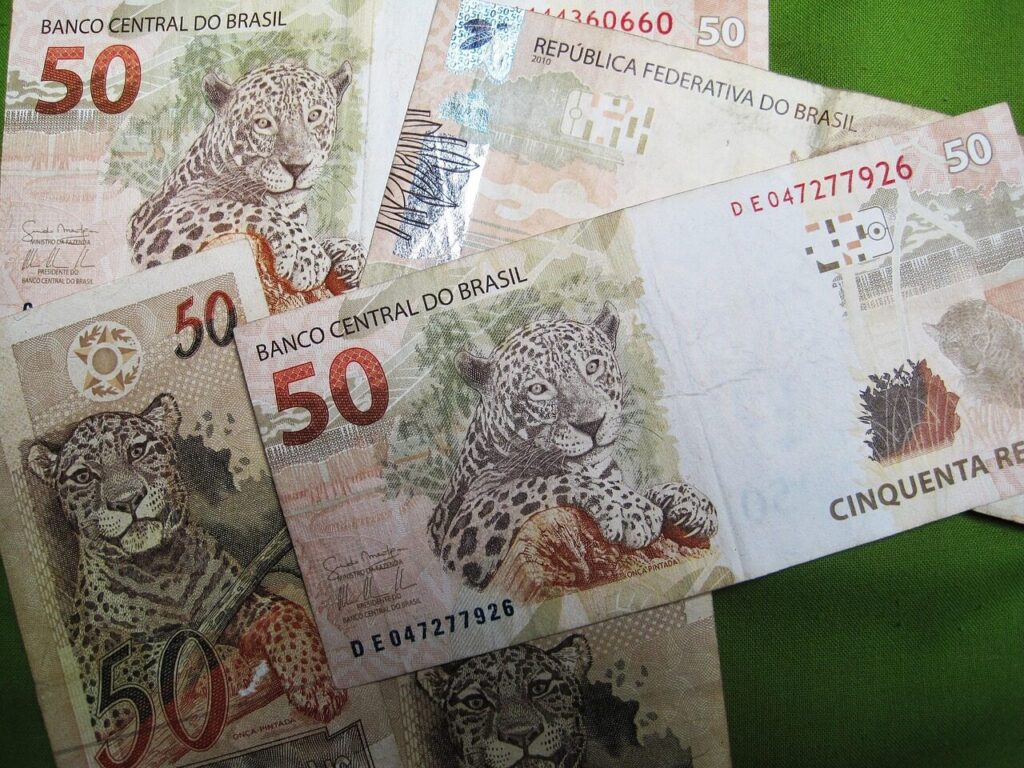
Cash still matters for small purchases, tips and places with weak signal. ATMs charge their own flat fee on top of your bank’s. One roundup puts the fee at around R$20 per withdrawal at machines like Banco 24 Horas. Fewer, larger withdrawals therefore cost less than many small ones.
Our guide to cash, cards and the Brazilian real covers ATM networks and exchange in more detail. For how much to keep in small bills, see what’s expected when tipping.
Choosing a Method by Situation
| Method | Works best for | Main cost | Weak spot |
|---|---|---|---|
| Foreign Visa or Mastercard | Hotels, restaurants, shops, tours, ride apps | Your bank’s foreign fee; no Brazilian IOF on foreign-issued cards | Informal vendors without a terminal |
| Cash in reais | Beach stalls, tips, small bakeries, remote areas | ATM fees | Carrying large sums |
| Pix through an intermediary | Pix-only vendors | Service fee and exchange margin | Needs data, setup and trust in the provider |
| Your own Pix account | Long stays | Free for individuals at Brazilian banks | Needs a CPF and a Brazilian account |
Where You’ll Run Into Pix-Only Vendors

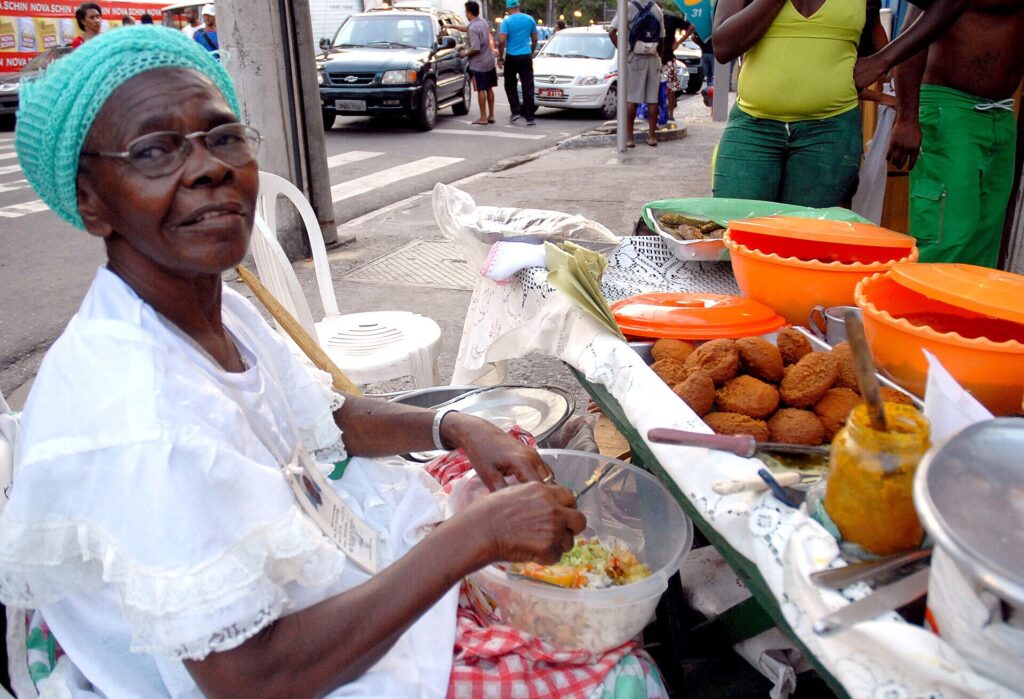
Pix-only is uncommon in tourist-facing businesses, but it does happen. The usual spots are market stalls, street food carts, beach vendors, small neighborhood shops and independent guides. Many of these also have a card terminal, so ask “Aceita cartão?” before assuming anything. If the answer is “só Pix,” pay in cash or use an intermediary service.
Ride apps are simpler. Cards work inside the app, and Pix is also one of the payment options in the 99 app. Our guide to flights, buses and rideshares explains how booking works for each.
In remote areas such as lodges, boat operators and small pousadas, card terminals depend on mobile signal. Confirm the payment method when you book, not at checkout.
Avoiding Payment Mistakes
- Read the recipient name. The Pix confirmation screen shows who gets the money. If a vendor’s QR code shows a different name than the business, ask before you pay.
- Don’t pay codes sent by strangers. A code from someone who approached you, or a link in an unexpected message, is a red flag.
- Keep the card in sight. Insist that the terminal comes to you, check the amount before entering your PIN, and keep the receipt.
- Split bills at the table. Brazilians often split by Pix, which you can’t. Ask the waiter to run separate cards before the terminal arrives.
For broader street-level precautions, see our honest guide to safety for tourists.
Planning Your Visit
Bring two cards from different accounts, ideally on different networks, so a single block doesn’t leave you without money. Decide on a Pix service before you fly, because verification is easier at home than abroad. If you skip it, a card plus some reais covers nearly everything.
Your payment choices also shape your daily budget. Our guide to traveling Brazil cheaply shows where costs add up, and where cash and Pix-friendly local spots can save you money.
Frequently Asked Questions
Can a tourist use Pix in Brazil without a CPF?
You can’t open your own Pix account without a CPF and a Brazilian bank account. You can pay merchants’ Pix QR codes through intermediary services that verify your passport and pay on your behalf. They charge fees, so compare the total cost against simply using a card or cash.
Is Pix free for tourists?
Pix itself is free for individuals at Brazilian banks, but that benefit doesn’t reach visitors without a local account. When you pay through an intermediary, expect a service fee or exchange margin. The app should show the final amount in your home currency before you confirm each payment.
Do I have to pay IOF tax with my US, UK or EU card in Brazil?
Under the rules in force since a 2025 decree, the 3.5% IOF applies to Brazilian-issued cards used abroad, not to foreign-issued cards spent in Brazil. Your own bank’s foreign transaction fee still applies. Brazil adjusts IOF by decree, so check your issuer’s terms before you travel.
Should I choose débito or crédito with a foreign card?
Choose crédito. Foreign debit cards often work in the credit option, and it usually avoids a rejection. Then choose à vista for a single payment, since parcelado means installments. If the card is declined, try the other option before assuming it’s blocked.
Can I pay by Pix on Uber or 99?
Cards work in ride apps, and that’s the simplest option for visitors. Some apps also list Pix as a payment method, but Pix generally needs a Brazilian account behind it. Add your foreign card before you land so you aren’t setting it up at the airport.