
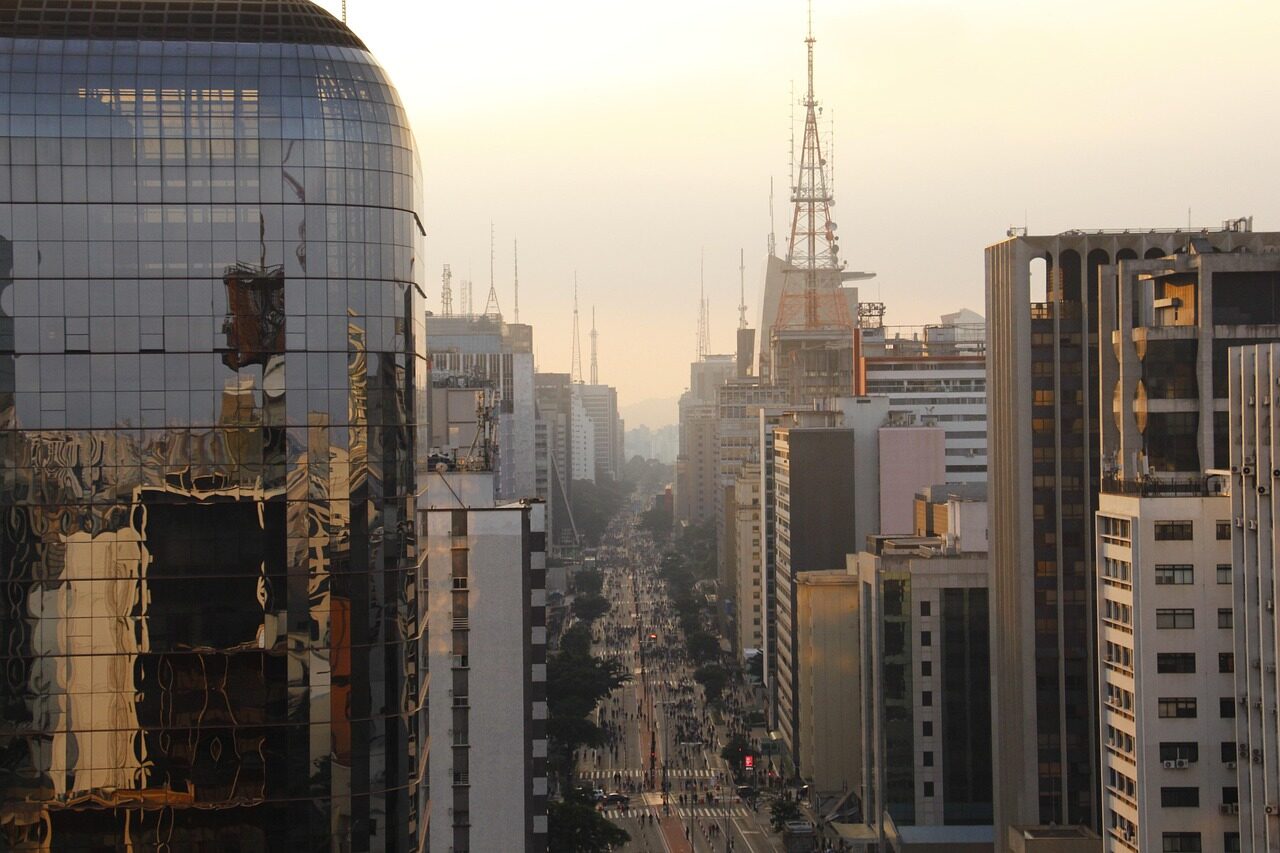

Is São Paulo Worth a Stop on Your Brazil Trip?
Yes, if you like cities. This sao paulo travel guide is built around what the city does better than anywhere else in Brazil: food, museums, architecture, nightlife and a sense of how modern Brazilians actually live. It has no beaches and no famous postcard landmark, and that is why many first-time visitors skip it. Those who give it two or three days often rank it among their favorite parts of the trip.
Plan on two full days at minimum, and three if you love food or art. Most people fly in and out of São Paulo anyway, so you already have to pass through. Treat it as a stop in its own right rather than a layover.
São Paulo is enormous, and the metropolitan area is among the largest in the Western Hemisphere. You will not see it all, and you should not try. Pick two or three neighborhoods per day and stay within them.
Getting to São Paulo and Getting Around
The city has two main airports. Guarulhos (GRU) handles most international flights and sits well outside the center. Congonhas (CGH) is a domestic airport close to the southern neighborhoods, and it is the one used for short hops from Rio and other big cities. Allow generous transfer time from Guarulhos, because traffic can turn a modest distance into a long ride. Ride-hailing apps and airport buses both work.
Flights between São Paulo and Rio are frequent and short. The bus is a realistic alternative if you prefer ground travel, though it takes much longer. If you are building a longer route, our 10-day first-timer itinerary shows where São Paulo fits alongside Rio and the big natural sights.
The metro and ride-hailing
The metro is the best way to cross the city. It is clean, fast and easy to read, and its lines are supplemented by suburban trains. The Green Line runs beneath Avenida Paulista and reaches Vila Madalena, which covers a large share of what visitors want. Fare payment methods change over time, so check at the station whether you need a rechargeable card or can tap a bank card.
For evenings, late returns and anywhere the metro does not reach, use ride-hailing apps. They are cheap by US and European standards and spare you from hailing cars on the street. The metro stops running around midnight, so plan your last ride home.
Walking and driving
Walk within a neighborhood, not between them. Distances are bigger than they look on a map, and hills and traffic make crossing the city on foot tiring. Do not rent a car. Traffic is heavy, parking is expensive, and a vehicle restriction scheme limits which cars may drive on certain days.
Entry rules by passport
Entry requirements depend on your passport. UK and EU citizens can generally enter Brazil for tourism without a visa for a limited stay, and the details are in our guide to Brazil entry requirements for EU and UK travelers. US citizens should read Brazil visa requirements for US citizens before booking, since US rules have changed in the past and you should confirm the current position.
Where to Stay in São Paulo
Location matters more here than in most cities. Because the city is so spread out, a hotel near a metro station and a few good restaurants will save you hours. For a first visit, choose from three areas.
| Area | Best for | Keep in mind |
|---|---|---|
| Jardins and Avenida Paulista | First-timers, museums, restaurants, easy metro access | Busy on weekdays, with many business travelers |
| Pinheiros and Vila Madalena | Bars, street art, a younger crowd, good dining on foot | Livelier at night, with fewer large hotels |
| Itaim Bibi and Vila Olímpia | Polished restaurants, business trips, upscale hotels | Quieter on weekends, less sightseeing nearby |
The historic center has some of the best buildings in the city, but we suggest visiting it by day rather than sleeping there on a first trip. It empties out after business hours and some blocks feel uncomfortable at night.
Hotel rates and availability swing with trade fairs and large events, such as the Formula 1 weekend at Interlagos. If your dates overlap with something big, book early.
What to See: Four Areas Worth Your Time
São Paulo does not have one headline sight. It has several districts with distinct personalities, and the best approach is to give each a half day.
Avenida Paulista and MASP
Paulista is the city’s main avenue, lined with towers, cultural centers and cafés. In the late nineteenth century coffee barons built mansions here, and a few survive between the skyscrapers, including Casa das Rosas. On Sundays the avenue is closed to cars, and people fill it to walk, cycle and eat.
The anchor is MASP, the Museu de Arte de São Paulo. The building, designed by Lina Bo Bardi, hangs its main gallery between two red concrete frames above an open plaza. Inside, paintings stand on glass easels rather than walls, so you walk around the works instead of facing them. Under the building, an antiques fair is usually held on Sundays.
The historic center
The center is dense, noisy and full of architecture. Start at the Pátio do Colégio, where the city was founded by Jesuits in the sixteenth century, then walk to the Catedral da Sé and the Theatro Municipal. The Edifício Copan, a curving apartment tower by Oscar Niemeyer, is one of the city’s signature buildings. Several tall buildings in the center, including Farol Santander, have viewing levels over the skyline.
Near the Luz station, the Pinacoteca is one of Brazil’s best art museums, and the nearby Jardim da Luz is a pleasant place to rest. The Museu da Língua Portuguesa, in the Luz station building, is an unusual interactive museum about the Portuguese language. Stay alert around the station area, as covered in the safety section below.
Vila Madalena and Pinheiros
Vila Madalena is São Paulo’s creative neighborhood. Its steep streets are full of murals, galleries, small shops and bars. Beco do Batman, an alley covered in graffiti, is the best-known stop, and the artwork changes constantly, so no two visits look alike.
Come in the late afternoon and stay for dinner. By evening the bars along the side streets fill with locals, and Pinheiros next door has plenty of good restaurants for the same crowd.
Ibirapuera Park
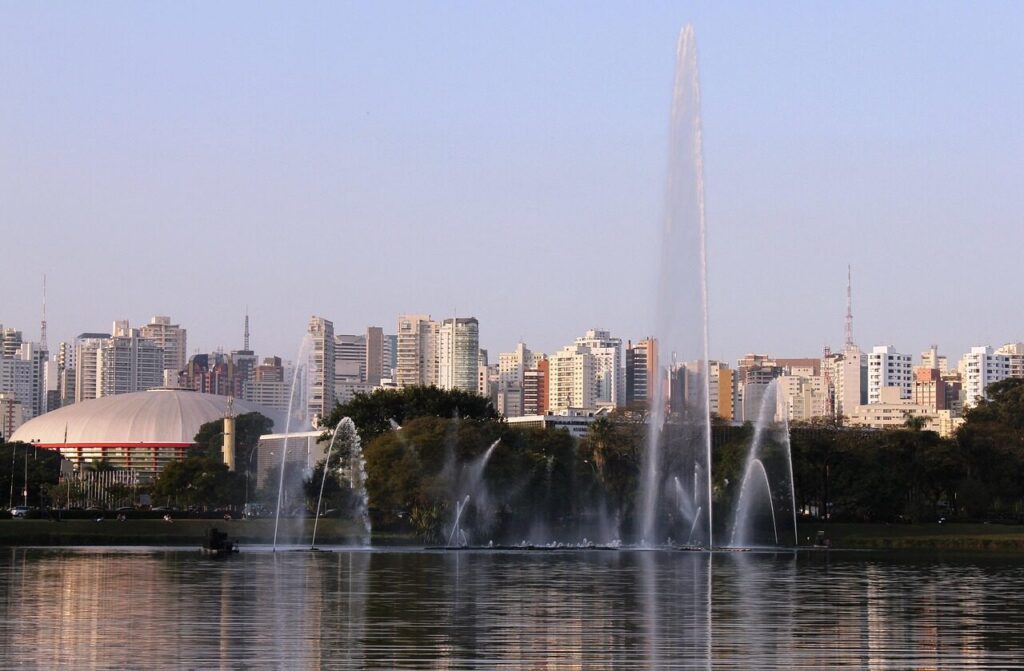
Ibirapuera is the city’s central park, and it is also a showcase for Niemeyer’s modernist buildings. A long curved canopy links several pavilions, and the grounds hold museums including the Museu de Arte Moderna and the Museu Afro Brasil. The park is busiest on weekends, when joggers, families and cyclists crowd the paths.
Weekday mornings are calmer and better for the museums. Check each museum’s opening days before you go, since some close on Mondays.
What to Eat in São Paulo

Food is the main reason to visit. Immigration shaped the city, and Italians, Japanese, Lebanese, Portuguese and many others left their mark on the restaurants. You can eat extremely well here at almost any budget.
- Mortadella sandwich: the Mercado Municipal, a hall with stained-glass windows near the center, is known for a very thick mortadella sandwich. Share one, since portions are huge. The pastel de bacalhau, a fried pastry with salt cod, is another market favorite.
- Pizza: São Paulo takes pizza seriously. Thin-crust pies, often with generous toppings, are a standard evening meal, and many neighborhoods have an old family pizzeria.
- Japanese food: the city is home to one of the largest Japanese communities outside Japan. Sushi, ramen and home-style cooking are easy to find, especially around Liberdade.
- Italian cantinas: the Bixiga district, officially Bela Vista, is the traditional Italian quarter, with old-style restaurants serving big plates of pasta.
- Brazilian classics: look for a prato feito or a self-serve lunch buffet priced by weight (por quilo). Both are fast, filling and cheaper than a sit-down dinner.
- Coffee: the state built its fortune on coffee, and the city now has a strong specialty café scene. Order a cafezinho at any standing counter for the local baseline.
Dinner starts later than in the US, and many good restaurants fill after eight. Reserve in advance for popular places, especially on weekends. For a broader sense of daily costs, see our guide to what a trip to Brazil costs.
Neighborhood Culture: Street Art, Markets and Liberdade
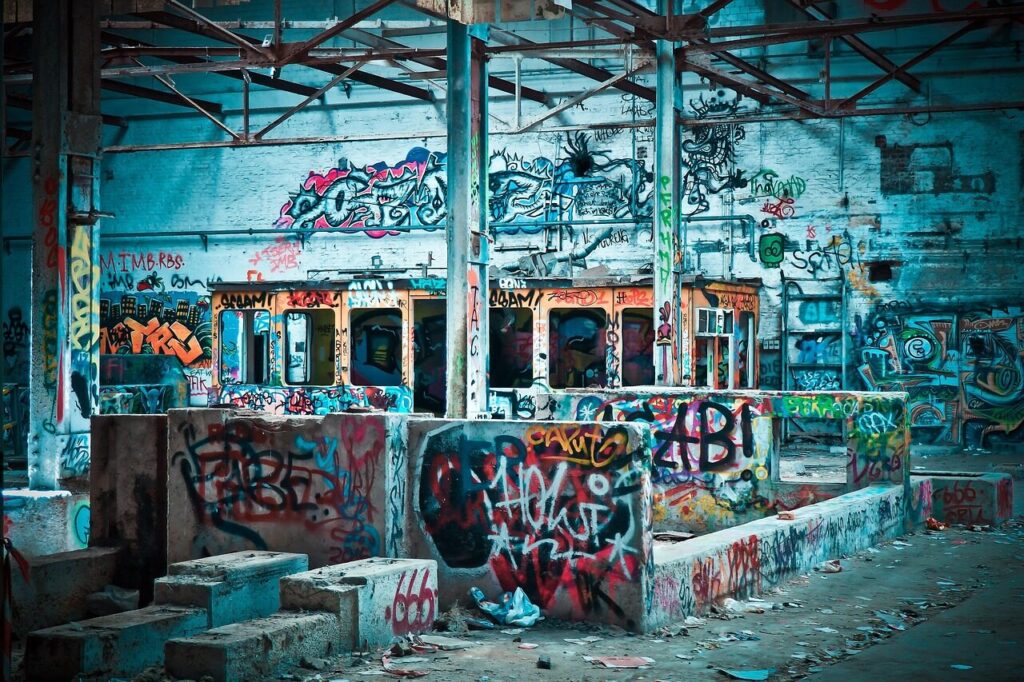
Outside the big museums, São Paulo’s character comes through in its street life. Murals cover walls across Vila Madalena, Pinheiros and the center, and some of Brazil’s best-known street artists work here. Wander without a plan and you will find large pieces in unexpected places.
Liberdade is the Japanese-influenced district, marked by red lanterns and gateways over the streets. It has restaurants, grocery shops and sweet stands. A weekend street fair sells food and crafts, and it gets crowded in the afternoon, so go early if you dislike crowds.
Rua 25 de Março, a huge wholesale shopping street, is an experience in itself. It is loud and packed, and pickpocketing is a real risk, so carry little and keep a hand on your bag.
Football also shapes the city. The Museu do Futebol, below the stands of the Pacaembu stadium, is a good rainy-day option even if you do not follow the sport. If you want to see a match, ask your hotel about tickets and getting there safely, since stadium nights call for local advice.
A Realistic Three-Day Plan
This plan keeps each day inside a small area, which is how São Paulo works best. Swap days around depending on the weather and which museums are open.
| Day | Morning | Afternoon | Evening |
|---|---|---|---|
| 1 | Avenida Paulista and MASP | Cultural centers and cafés around Paulista | Dinner in Jardins or Bela Vista |
| 2 | Historic center: Sé, Pátio do Colégio, Theatro Municipal | Mercado Municipal, then the Pinacoteca | Return to your hotel before dark, then dinner nearby |
| 3 | Ibirapuera Park and museums | Liberdade or Vila Madalena | Bars and dinner in Vila Madalena or Pinheiros |
With a fourth day, add a day trip. Santos and the nearby coast are reachable by road, the mountain town of Campos do Jordão suits a cooler escape, and Embu das Artes holds a weekend craft market. Each is a long day from the city, so choose one rather than several.
Safety in São Paulo
Like any large city, São Paulo has street crime, mostly phone snatching, pickpocketing and bag theft. Violent incidents involving tourists are less common, but they happen. Safety advice does not differ by passport, and the sensible habits are the same for US, UK and EU visitors. Our honest guide to safety in Brazil covers the national picture.
- Do not stand on the curb with your phone out. Step into a shop or doorway to check directions.
- Use ride-hailing at night rather than walking between neighborhoods.
- Keep valuables in your front pocket or a zipped bag, and avoid wearing expensive jewelry or watches.
- Be cautious around the Luz station and the streets around it, particularly after dark. Visit the Pinacoteca and the language museum by day and leave by taxi or ride-hailing if you are unsure.
- Avoid walking in the center after business hours, when many blocks are empty.
Paulista, Jardins, Ibirapuera and Vila Madalena feel comfortable for most travelers in daylight and early evening, with normal city awareness.
When to Go
São Paulo works year-round, which makes it easy to fit into a wider trip. The climate is milder than Rio’s, and the city is known for light drizzle. Summers are warm and humid, with heavy afternoon storms. Winters are drier and cooler, and evenings can feel cold, so pack a jacket if you visit between roughly June and August. For how this fits with the rest of the country, see our month-by-month guide to the best time to visit Brazil.
Cultural life is strongest outside school holiday periods, and business hotels are cheapest on weekends.
Planning Your Visit
Book a hotel near a Green Line metro station, ideally in Jardins, Paulista or Vila Madalena. Download a ride-hailing app and set up mobile data before you arrive, since you will rely on both. Check museum opening days, and reserve dinner for weekend nights.
If São Paulo is one stop of several, pair it with the coast. Our Rio de Janeiro travel guide for first-time visitors picks up where this one leaves off, and the short flight makes the two cities easy to combine. Give São Paulo the time to eat well and see the architecture, and let Rio supply the beaches.
Frequently Asked Questions
How many days do you need in São Paulo?
Two full days is the minimum to see Avenida Paulista, the historic center and one or two other neighborhoods. Three days lets you add Ibirapuera Park, Vila Madalena and a slower pace for meals. Add a fourth day only if you want a day trip to the coast or the mountains.
Is São Paulo safe for tourists?
Most visitors have trouble-free trips if they use normal big-city caution. The main risks are phone snatching and pickpocketing. Use ride-hailing at night, avoid the center after business hours, and take care around Luz station. Advice is the same for US, UK and EU travelers.
Do I need a visa to visit São Paulo?
It depends on your passport. UK and EU citizens can generally enter Brazil for tourism without a visa for a limited stay. US citizens should check the current visa rules before booking, because requirements have changed in the past. Always confirm with official Brazilian sources before you travel.
Which part of São Paulo is best for a first-time visitor to stay in?
Jardins and the Avenida Paulista area suit most first-timers. They have metro access, museums, restaurants and plenty of hotels. Vila Madalena and Pinheiros are better if you want nightlife and street art on your doorstep. Avoid staying in the historic center on a first trip.
Can I use the metro to get around São Paulo?
Yes. The metro is the fastest way to cross the city, and the Green Line serves Paulista and Vila Madalena. It stops running around midnight, so use ride-hailing for late returns. Payment methods change, so check at the station whether you need a card or can tap a bank card.
Is São Paulo worth visiting if I only have a week in Brazil?
Usually as a short stop, yes, especially if you fly in or out through it anyway. Spend two days on food and architecture, then move on to Rio or another region. If beaches or nature are your priority, you can skip it.