
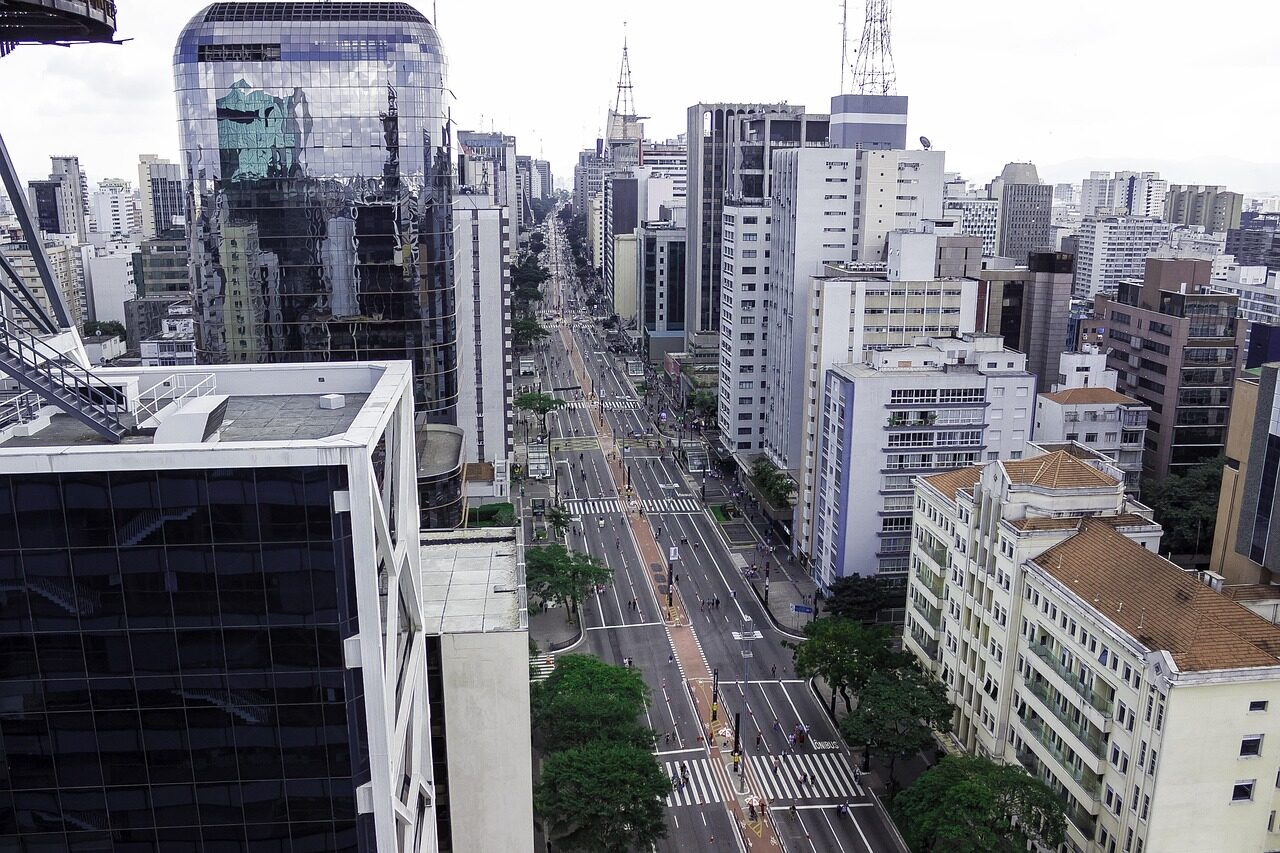

The best things to do in Sao Paulo are indoors and on the street: a serious art museum on Avenida Paulista, a long morning in Ibirapuera Park, a mortadella sandwich at the Mercado Municipal, street art in Vila Madalena, and dinner in Liberdade or Bixiga. This is not a city of postcard sights. It rewards people who like food, architecture, music and wandering through neighborhoods.
Two full days covers the highlights, and three lets you slow down or add a day trip. This article is organized by area so you can build days that don’t zigzag across the city. For logistics such as airports, hotels and general orientation, our São Paulo travel guide for first-time visitors covers the basics, so we won’t repeat them here.
Best Things to Do in Sao Paulo at a Glance
Use this table to decide what fits your time. Durations assume a relaxed visit, not a rush.
| Experience | Area | Best timing | Time needed |
|---|---|---|---|
| MASP and Avenida Paulista | Paulista | Sunday, when the avenue is closed to cars | 2–3 hours |
| Ibirapuera Park and its museums | Ibirapuera | Morning, any day except when museums close | Half a day |
| Mercado Municipal | Centro | Weekday morning | 1–2 hours |
| Pinacoteca and Estação da Luz | Luz | Daytime only | 2–3 hours |
| Street art and bars | Vila Madalena | Late afternoon into evening | 3–4 hours |
| Japanese food and shops | Liberdade | Weekend for the street fair, any evening for dinner | 2–3 hours |
| Museu do Futebol | Pacaembu | Daytime, not on match days | 2 hours |
Many museums close on Mondays, so plan your outdoor and food days for then. Always check current opening days before you go, since schedules and free-entry days change.
Museums and Art Worth Your Time
São Paulo has the strongest museum scene in Brazil, and most of it is easy to reach by metro. You don’t need to be an art specialist to enjoy it.
MASP on Avenida Paulista
The Museu de Arte de São Paulo is the city’s best-known landmark, a concrete-and-glass box lifted on two red frames over an open public plaza. Architect Lina Bo Bardi designed it, and the collection includes European masters alongside Brazilian work. The space beneath the building is a gathering point for demonstrations, concerts and fairs.
On Sundays, an antiques fair often sets up under the building, and Avenida Paulista is closed to cars for much of the day. Walk the avenue on foot, stop at the free-to-enter cultural centers along it, and treat MASP as your anchor. The museum has offered free entry on set days, which tend to be crowded, so check the schedule and book ahead if tickets are timed.
Other museums along and near Paulista
Japan House, a few minutes from MASP, hosts design and craft exhibitions in a striking wooden-latticed building, and it is easy to combine with a coffee break. The Instituto Moreira Salles, also on Paulista, is known for photography exhibitions. Both are compact enough to do in an hour each, which is useful if you only have a half-day.
Pinacoteca do Estado and the Luz district
The Pinacoteca is housed in a red-brick building with skylit courtyards, and it focuses on Brazilian art from the nineteenth century to the present. It sits near Estação da Luz, the Victorian-era train station that also contains the Museu da Língua Portuguesa, an interactive museum about the Portuguese language. Next door, the Sala São Paulo concert hall is built into another former station, and its programs are worth checking if you like classical music.
The streets around Luz have a visible drug scene and a lot of street homelessness. Visit in daylight, use the direct route between the metro, the station and the museums, and keep your phone out of sight. Our honest guide to safety in Brazil covers the general habits that apply here.
Museu do Futebol and the Ipiranga museum
Football is central to Brazilian life, and the Museu do Futebol is built under the stands of the old Pacaembu stadium. It uses video, sound and interactive displays, so it works well even for people who don’t follow the sport. The Museu do Ipiranga, in a grand palace-style building near the Independence Park gardens, covers Brazil’s history and is worth it if you want a broader context for the country.
Parks and Open Air: Ibirapuera and Paulista on Sundays
Ibirapuera is São Paulo’s answer to Central Park, though it feels more like a design showcase than a retreat. Curving concrete canopies, lawns, a lake and long paths are all within reach on foot or by rented bike.
The park contains buildings by Oscar Niemeyer, including a long covered walkway (the marquise) that links several exhibition spaces. The Museu Afro Brasil, inside the park, is one of the most important places in the city for understanding Black Brazilian history and culture. Plan a morning here, bring water, and note that museums inside the park keep their own hours and often close on Mondays.
The park has no metro station at its gate. Get off at the nearest station and take a short ride-hailing trip, or walk if the weather is mild. Weekends are lively and crowded with joggers, families and picnickers, while weekdays are quieter.
The other open-air highlight is Avenida Paulista on Sundays. Closed to cars for much of the day, it fills with cyclists, buskers, skaters and families. It is the easiest way to see how Paulistanos use their own city.
Downtown São Paulo: History, Architecture and the Mercadão
The old center is rougher than Paulista or Jardins, but it holds the city’s historic core. Go during the day, plan a loop, and don’t linger in side streets once the shops close.
Sé, Pátio do Colégio and Theatro Municipal
The Catedral da Sé is a large neo-Gothic cathedral on a busy plaza, and the Pátio do Colégio nearby marks the site where Jesuits founded the settlement. The Theatro Municipal, an ornate opera house, is worth seeing for the building alone, and guided tours or performances are the best way inside. The Edifício Copan, with its wavy facade by Niemeyer, is a good photo stop on the way.
Mercado Municipal
The Mercadão is a large hall with stained-glass windows, stacked tropical fruit and shops selling dried cod, cheese and spices. The classic order is the towering mortadella sandwich and a pastel de bacalhau, a fried pastry stuffed with salt cod. Prices are higher than in a regular lunch spot because of the tourist traffic, but the experience is part of the point.
Go on a weekday morning to beat the queues, and share a sandwich since portions are huge. Try fruits you won’t find at home, such as cupuaçu, jabuticaba or atemoya, when in season, and ask for a taste before buying.
Rooftop views
A few older downtown towers, such as the former Banespa building (now Farol Santander) and the Edifício Itália, have offered observation decks or rooftop restaurants. Both give a sense of how far the city stretches. Opening arrangements change, so check before you head up.
Neighborhoods Worth Exploring
Vila Madalena and Pinheiros
Vila Madalena is the center of São Paulo’s bohemian side: sloping streets, small galleries and a dense cluster of bars. The Beco do Batman is an alley where muralists constantly repaint the walls, so no two visits look the same. It is touristy by midday, so go earlier or later if you want space for photos.
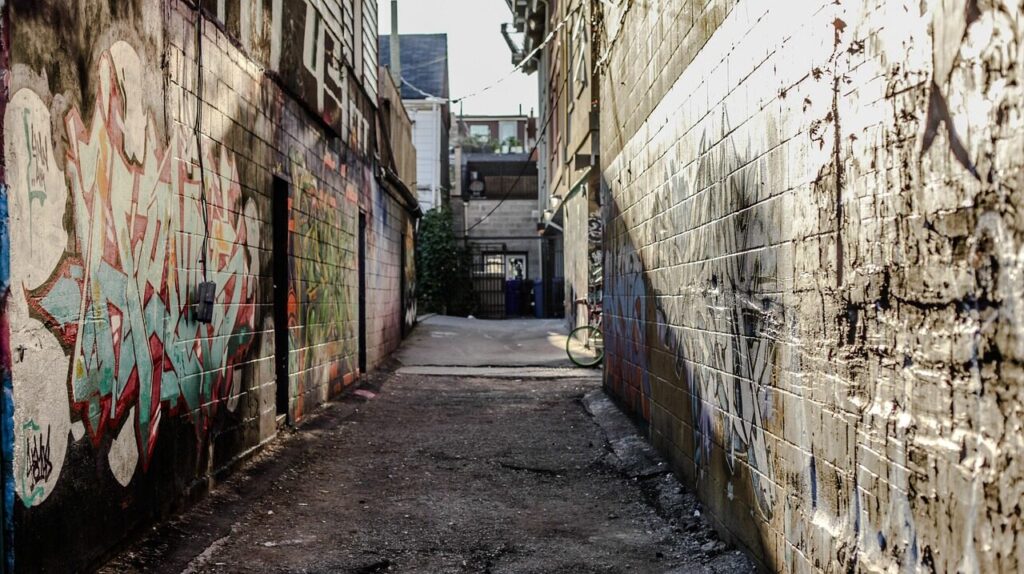
Neighboring Pinheiros has the Benedito Calixto antiques and crafts fair on Saturdays, along with some of the city’s best casual restaurants. A Saturday that starts at the fair and ends in Vila Madalena is one of the easiest ways to spend a day.
Liberdade
São Paulo is home to one of the largest Japanese-descended communities outside Japan, and Liberdade is its heart. Red lanterns line the main street, a Japanese-style gate marks the entrance, and the shops sell everything from ceramics to manga. A weekend street fair sells snacks such as yakisoba and pastel.
Come hungry. The restaurants range from simple ramen counters to sushi counters where the fish is flown or trucked in daily, and the quality is high by any international standard. It is also a good evening option, as the neighborhood is busier and better lit after dark than most of downtown.
Bixiga (Bela Vista)
Bixiga was historically the Italian immigrant quarter, and it still has old cantinas serving pasta, polenta and big family-style platters. It is also home to the Vai-Vai samba school and to several theaters. Go for dinner rather than a daytime visit.
Eating Your Way Through the City
Food is arguably the main reason to spend more than a day here. Immigration from Italy, Japan, Lebanon, Portugal and elsewhere shaped what ends up on the table, and São Paulo mixes it all without apology. Rather than chase a single dish, plan meals around the neighborhoods above.
- Pizza: the city has a strong pizza culture with thin, crisp crusts. Many pizzerias serve rodízio, an all-you-can-eat format where slices come to your table.
- Japanese food: Liberdade is the obvious choice, but good sushi and izakaya spots appear across the city.
- Lebanese snacks: esfihas, small baked pies with meat or cheese, are everywhere and cheap.
- Padarias: neighborhood bakeries serve coffee, pão de queijo and sandwiches all day, and make a good breakfast stop.
- Brazilian classics: look for virado à paulista, a plate of beans, pork, collard greens and egg, on weekday lunch menus.
High-end restaurants here are among the best in Latin America, but they book up. If you want a tasting-menu dinner, reserve well ahead of your trip.
Nightlife, Live Music and Football
Nights in São Paulo start late. Bars in Vila Madalena and Pinheiros fill up after dinner, Rua Augusta and the streets around it mix clubs, cocktail bars and small music venues, and electronic music has a serious following. Live samba, choro and sertanejo are easy to find if you ask locally. Dress is relaxed in most places.
The metro stops running around midnight, so plan your late-night return by ride-hailing app rather than public transport. Share your trip details with a friend if you go out alone, and keep your phone tucked away when waiting for a car.
If you want to see a football match, the big clubs are Corinthians, Palmeiras and São Paulo FC. Tickets are sold through official club channels or through guided experiences, and the atmosphere can be intense. First-timers are better off with an organized group, and should avoid the big derbies unless they are comfortable with heavy crowds and policing.
Day Trips from São Paulo
You can fill a week in the city, but if you have time for one outing, these are the easiest.
- Santos: a port city on the coast with a long beachfront garden, a historic center and a coffee museum in the old coffee exchange. It makes an easy day by bus.
- Embu das Artes: a small town known for its weekend crafts and furniture fair, close to the city.
- Paranapiacaba: a preserved railway village in the hills, often foggy, with British-influenced architecture.
- Campos do Jordão: a cooler mountain town popular for weekend breaks, better for an overnight than a single day.
The beaches near São Paulo are decent but not the reason most people come to Brazil. If sand is the priority, you’ll find better options elsewhere, and our 10-day Brazil itinerary shows how São Paulo fits alongside other destinations.
Two- and Three-Day Plans
These plans keep each day to one or two areas so you spend less time in traffic. Swap days around if you land on a Sunday or a Monday.
- Day 1, Paulista and Ibirapuera: a morning at MASP and along the avenue, lunch in Jardins, an afternoon in Ibirapuera Park, and an evening in Vila Madalena.
- Day 2, Centro and Liberdade: the Sé area and the Mercadão in the morning, the Pinacoteca and Luz in the afternoon, and dinner in Liberdade.
- Day 3, your choice: the Museu do Futebol, the Museu do Ipiranga, a Saturday fair in Pinheiros, or a day trip to Santos.
On a Sunday, put Paulista first. On a Monday, favor parks, markets and neighborhood walks over museums.
Planning Your Visit
When to go. São Paulo sits on a plateau, so it is cooler than Rio or the northeast. Winters are mild but can be gray and drizzly, and summers are warm with heavy afternoon rain. The city works year-round for museums and food, so choose your dates based on the rest of your trip. Our month-by-month guide to visiting Brazil helps with that.
Getting around. The metro and commuter rail reach Paulista, Luz, Sé and Liberdade, and ride-hailing apps cover the gaps. Traffic is heavy, especially at weekday rush hours, so avoid crossing the city by car at those times. Stay in Jardins, Paulista, Pinheiros or Vila Madalena, and you can reach most of this list quickly.
Safety. Petty theft, especially phone snatching, is the main risk. Keep your phone away while walking, avoid wearing flashy jewelry, and stay on main streets after dark. Downtown empties out in the evening, so be extra careful there once shops close.
Entry rules. Brazil’s entry requirements differ by nationality, and they have changed in the past. US citizens should read our page on Brazil visa requirements for US citizens, while UK and EU travelers should check entry requirements for Europeans. Confirm the current rules with official sources before booking.
Frequently Asked Questions
How many days do you need in São Paulo?
Two full days cover the main museums, Ibirapuera Park, the Mercadão and a couple of neighborhoods. Three days gives you time for a day trip, a football museum visit or a slower pace. Most travelers add São Paulo to a longer Brazil trip rather than making it their only stop.
What is the best area to stay in São Paulo for sightseeing?
Jardins and the Avenida Paulista area are the easiest bases because of metro access, restaurants and well-lit streets. Pinheiros and Vila Madalena suit travelers who want nightlife and a more local feel. Downtown is convenient for historic sights but quieter and less comfortable after dark.
Is São Paulo worth visiting if I don’t like big cities?
It can be, if you focus on a few areas instead of trying to see everything. Ibirapuera Park, Sunday on Paulista, a food-focused day in Liberdade and a day trip to the coast give you a more relaxed experience. If you want beaches and scenery, spend more time elsewhere in Brazil.
Can I do São Paulo on a budget?
Yes. Many parks, markets and street fairs are free, public transport is inexpensive, and lunch specials at neighborhood restaurants are good value. Costs rise with high-end dining and nightlife. Our Brazil trip cost guide gives a broader sense of how São Paulo compares with other destinations.
Is the metro safe for tourists?
The metro is generally the most reliable way to get around during the day and is widely used by locals. Keep bags zipped and in front of you, watch your phone near doors, and avoid crowded rush-hour cars if you can. After the metro closes around midnight, use a ride-hailing app.