
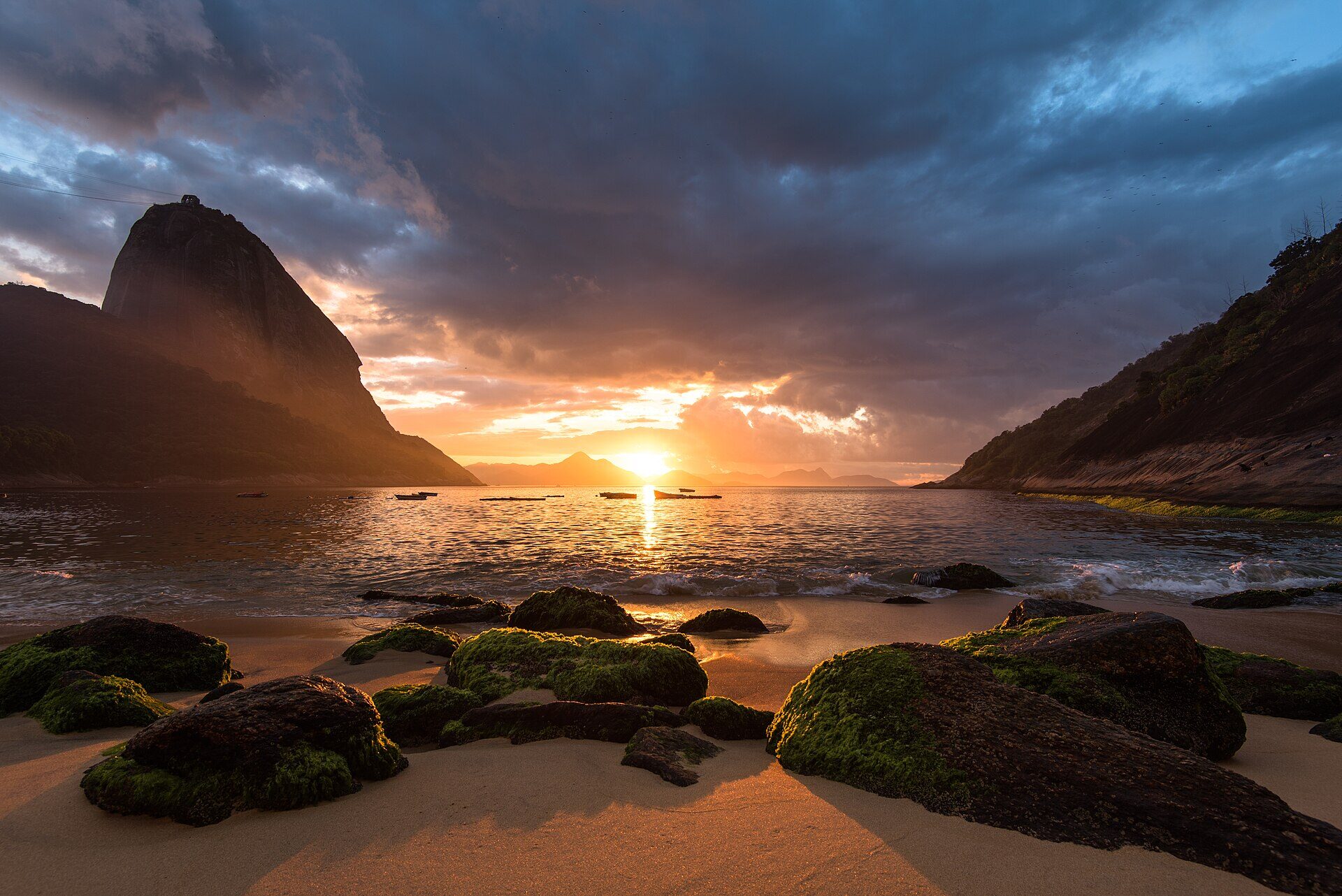

July is a good month for Brazil, with one big condition: it is winter in the southern hemisphere, and it is also the main school-holiday month for Brazilian families. Rio and São Paulo are dry and mild, the Pantanal is in prime wildlife season, and the Amazon is dropping toward low water. Prices and crowds are higher than the weather alone would suggest.
If you want beach-and-swim weather along the whole coast, July is not your month. If you want comfortable sightseeing, hiking and wildlife, it is one of the best. Our month-by-month guide to the best time to visit Brazil puts it in context with the rest of the year. This page covers what is specific to July.
Weather in Brazil in July by Region
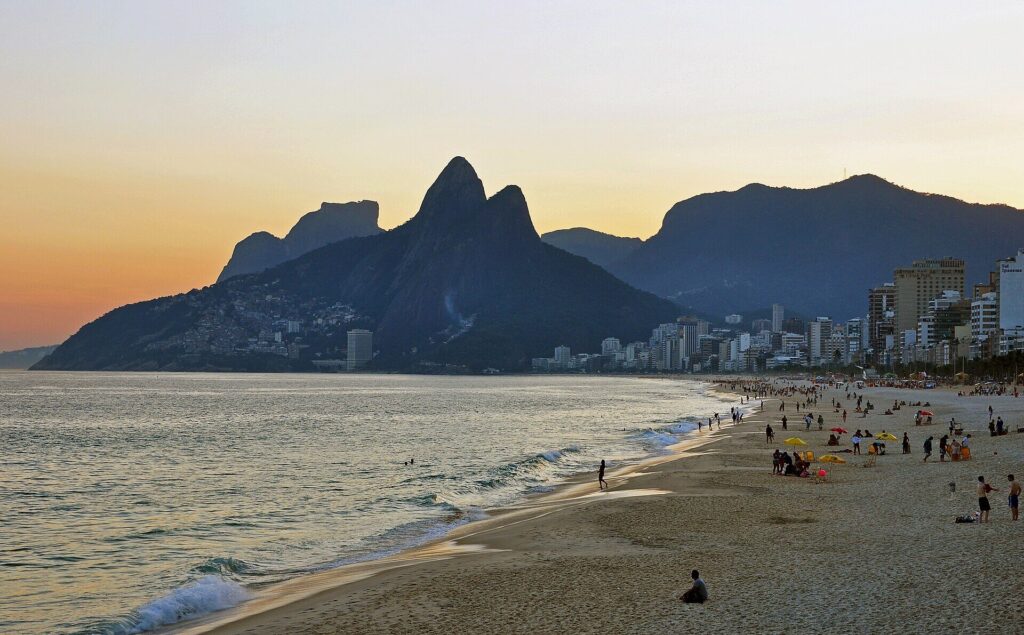
Brazil is too big for one forecast. July is the coolest month in Rio, but “cool” there still means shirt-sleeve afternoons. The south is where winter feels like winter, and the interior swings between hot days and cold mornings.
| Region | Typical July conditions |
|---|---|
| Rio de Janeiro | Roughly 19°C to 25°C (66–77°F), about 4 rainy days and a sea temperature near 22°C (72°F) |
| São Paulo | Roughly 13°C to 23°C (56–73°F), with about 7 rainy days |
| Pantanal | Midday heat of 32–36°C (90–97°F), with nights of 10–15°C (50–59°F) |
| Salvador and the Northeast coast | Salvador averages about 25°C (77°F), and the Northeast rainy season runs from April to July |
| Southern highlands (Gramado, Serra Gaúcha) | Around 10°C to 18°C (50–64°F), with frost possible on cold nights |
The practical takeaway: Rio’s sea is cool but swimmable for most people, and the sun is strong even on 70°F days. In the Northeast, expect showers rather than a washout. For raw climate numbers by city, Climates to Travel has a July table.
School Holidays Change the Math
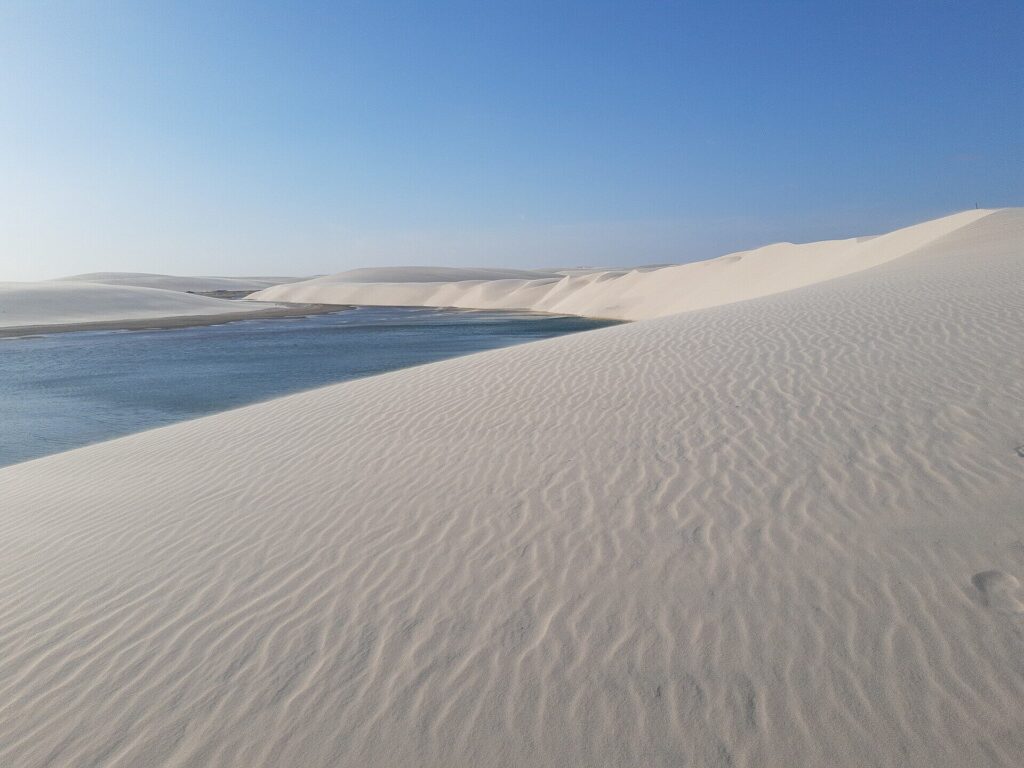
July is the main Brazilian school break. Prices run higher than average and accommodation books up early. The effect is felt most in places Brazilians drive or fly to for a week: beach towns, mountain towns, Pantanal lodges and Lençóis Maranhenses, where July is the busiest month.
Foreign visitors often miss this because international arrivals are lower in winter. Big cities such as Rio and São Paulo feel less affected than lodges and small towns, where a few dozen rooms can fill with domestic bookings.
A workable rule: reserve July holiday trips two to three months ahead, and do it first for lodges, small pousadas and domestic flights to smaller airports. City hotels are more forgiving. If your dates are flexible, the last two weeks of July and early August tend to ease once schools reopen, though regional calendars vary. For a sense of overall budgets, see how much a trip to Brazil costs.
Where July Works Best
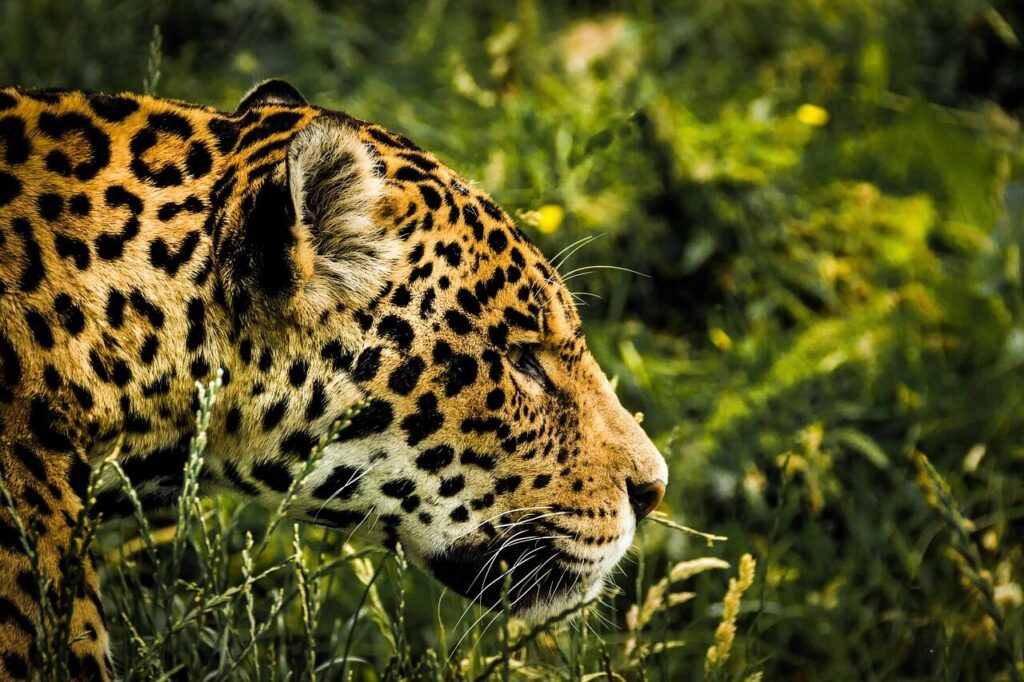
The Pantanal
This is the strongest argument for July. The wetlands are drying, animals gather around remaining water, and roads and trails are usable. Jaguar sightings along the rivers near Porto Jofre become reliable. Mornings are cold on open boats and safari trucks, so the layers matter. Our Pantanal travel guide covers lodges, access points and what a safari day looks like.
Lençóis Maranhenses
The lagoons between the dunes are still full, which is the whole point of the park, and the wind picks up for kitesurfing around the area from July onward. The trade-off is the crowds mentioned above. Read the Lençóis Maranhenses guide before you choose a base and a tour.
Rio and São Paulo
Rio is a good July city: dry, sunny and without the humidity that wears people out in summer. Hiking, viewpoints and long walks along the waterfront are all easier. São Paulo is cooler and often gray in the mornings, which suits museums, restaurants and walking neighborhoods. Neither city is cheap or empty in July, but both are far less stressful to book than the lodges.
The Amazon
July sits at the start of the low-water season, which runs from July to December. Water is still receding early on, so landscapes and boat routes differ from the later months. Low water exposes riverbanks and beaches and concentrates wildlife. If you want a flooded-forest boat trip, other months fit better.
Cold Snaps in the South and What to Pack
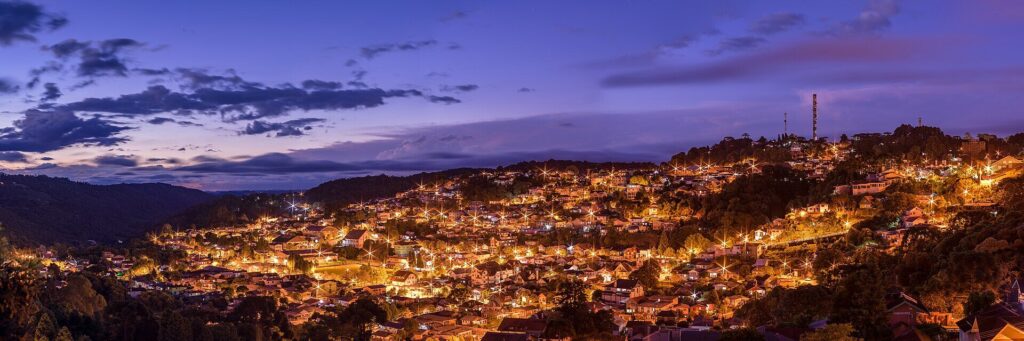
The south is the one region where July can surprise you. Highland towns like Gramado host winter festivals, and cold fronts can push temperatures near freezing at night in the higher elevations. Buildings there are often lightly heated, so a sweater indoors is realistic. Florianópolis is milder but not a swimming destination in July; see the Florianópolis guide if you are weighing a southern beach stop.
A July suitcase for a multi-region trip should be built around layers:
- A light fleece or sweater for São Paulo evenings and Pantanal dawns
- A packable rain shell for the Northeast and for passing fronts in the Southeast
- Long, lightweight trousers and long sleeves for sun and insects on safari
- Swimwear and sunscreen, since the sun in Rio and the Northeast stays strong in winter
- Closed shoes with grip for wet trails and the south’s hilly streets
Heavy winter coats are only worth bringing if you are spending several days in the southern highlands.
Entry Rules by Passport
July does not change entry rules, but your passport does. Rules for stays and fees can shift, so confirm them on official channels before you pay for anything.
- US citizens: Since April 10, 2025, US citizens need an e-visa before traveling. The fee is $80.90 per applicant, and Brazil’s foreign ministry says the e-visa is valid for 10 years with multiple entries. Apply only through the official e-visa portal, and see our Brazil visa guide for US citizens for the steps.
- UK citizens: British citizens have been visa-free since January 2024 for tourist stays of up to 90 days.
- EU citizens: EU and UK citizens can enter without a visa for stays up to 90 days. Our entry requirements guide for EU and UK travelers covers passport validity and what officers may ask.
Americans should apply well before booking non-refundable lodges, since approval is not instant.
Planning Your Visit
Decide your priority first. If wildlife is the goal, book the Pantanal lodge before flights, then build the rest of the trip around it. If cities and beaches matter most, fix your Rio and São Paulo dates and add the interior later.
A first trip works well as Rio, a Pantanal stop and one more city. Our 10-day first-timer itinerary can be adapted to July by swapping in the Pantanal for a beach leg.
Keep the time between domestic flights generous. Winter fronts can delay flights in the south, and regional airports have fewer backup options. Book flexible fares for any connection that leads to a tour or lodge transfer.
Frequently Asked Questions
Is July a good time to visit Brazil?
Yes, for sightseeing, hiking and wildlife. Most regions are dry, Rio is mild and the Pantanal is at its best for jaguars. The downsides are cooler sea and air in the south, and higher domestic prices and crowds during Brazilian school holidays in many beach and nature destinations.
Can you swim at the beach in Brazil in July?
In Rio, yes, though the Atlantic sits around 22°C (72°F), which feels refreshing rather than warm. The Northeast coast is warmer but gets rain in these months. Southern beaches, including Florianópolis, are generally too cold for most swimmers. Plan beach time as walking and sunbathing rather than long swims.
Is Brazil expensive in July?
It can be. Hotels and domestic flights rise in beach towns, mountain towns, Pantanal lodges and Lençóis Maranhenses because Brazilian families are on vacation. Big cities are less affected. Booking two to three months ahead usually keeps costs manageable, and August often offers similar weather with fewer domestic crowds.
Do I need a visa for Brazil in July?
It depends on your passport, not the month. US citizens need an e-visa, with a fee of $80.90 per applicant. UK and EU citizens can enter without a visa for tourist stays of up to 90 days. Check official sources before booking, as rules and fees can change.
What should I wear in Brazil in July?
Think layers. Rio’s afternoons are warm enough for shorts, but evenings can feel cool. São Paulo and the Pantanal need a fleece in the morning. Bring a light rain jacket for the Northeast, and a proper sweater if you are going to the southern highlands.