


Lencois Maranhenses (Lençóis Maranhenses in Portuguese) is a national park on the northeast coast of Brazil where rainwater pools into hundreds of blue and green lagoons between white sand dunes. The best time to see it is roughly July through September, when the lagoons are full and the rain has mostly stopped. Most visitors base themselves in Barreirinhas, about four hours by road from the state capital, São Luís, and give it at least three nights.
This guide covers how the landscape works, when to go, how to get there, which base suits which traveler, and which tours are worth your time. It is a remote destination with limited infrastructure, so a little planning makes a big difference.
What You Are Actually Seeing
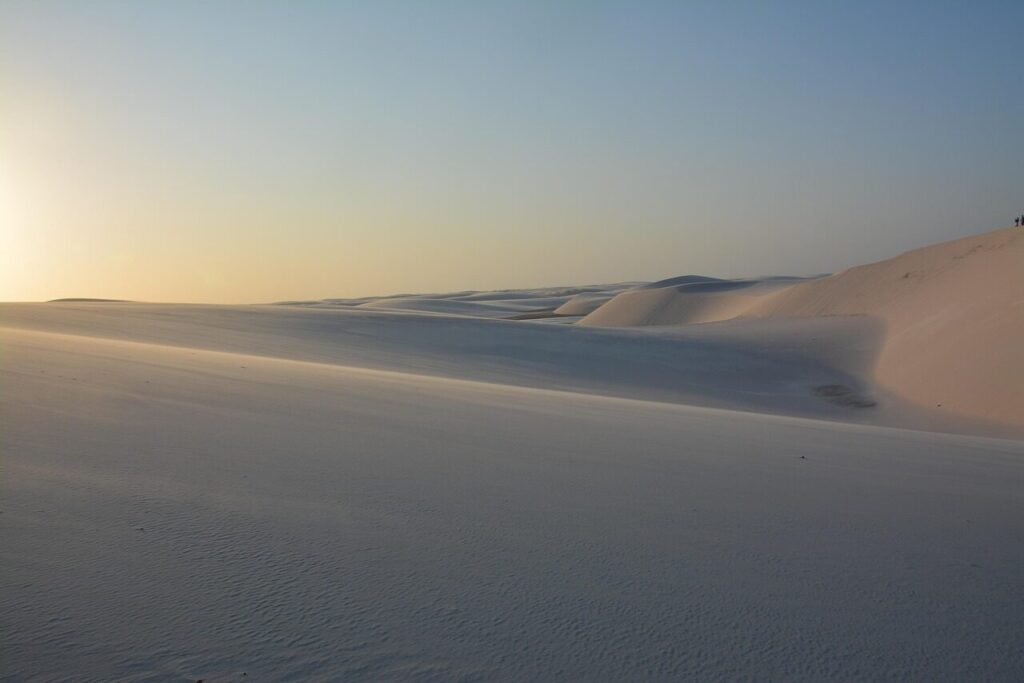
The name means “bedsheets of Maranhão,” because from above the rippled dunes look like white linen spread across the land. Despite appearances, this is not a true desert. It receives heavy seasonal rain, and the dunes sit on a layer of rock that holds water close to the surface.
From roughly January to June, rain collects in the hollows between dunes and the lagoons form. The water is fresh, clear and warm enough for comfortable swimming. Over the dry months, the lagoons shrink and many disappear, and the wind slowly reshapes the dunes.
That cycle is the key to planning. The same trip can look like a postcard of turquoise pools or a vast, empty field of sand, depending on the month. The park is large and covers a long stretch of coastline, so what you see also depends on which section you visit.
Best Time to Visit Lencois Maranhenses
Timing varies from year to year, so treat the months below as typical patterns rather than guarantees. Rainfall in one wet season can fill the lagoons earlier or later than in the next.
| Months | Lagoons | Weather | Good to know |
|---|---|---|---|
| January to March | Starting to form | Frequent heavy showers | Greener surroundings, fewer visitors, but tours can be disrupted by storms |
| April to June | Filling and rising | Rain tapers off | A strong balance of full lagoons and quieter trails |
| July to September | At or near their fullest | Mostly dry, breezier | The best overall window, and also the busiest |
| October to December | Shrinking, many dry | Dry, hot, windy | Lagoon swimming is unreliable, but kitesurfing is at its best |
Temperatures stay hot all year, so you are choosing between water levels, rain and crowds rather than between warm and cold. Brazilian school holidays in July and the period around Christmas and New Year fill pousadas quickly. Book ahead if your dates overlap.
If you are building a wider route through the country, our month-by-month guide to the best time to visit Brazil helps you see how the Northeast’s seasons fit with other regions.
Getting There from São Luís and Beyond
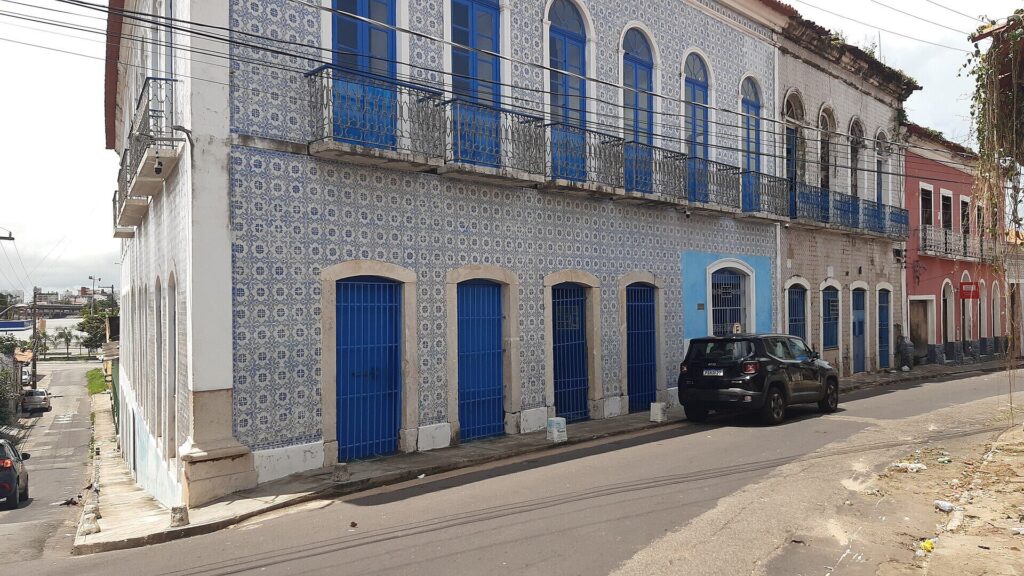
The standard route is a flight to São Luís, followed by a road transfer to Barreirinhas. Shared vans run between the two, and private drivers and buses are also options. Allow around four hours and expect it to take longer in bad weather. Daytime travel is easier on the road and gives you better visibility of the many speed bumps and village crossings.
São Luís is worth a night on either side of your dunes trip. Its historic center is a UNESCO World Heritage site, with colonial buildings covered in decorative tiles. It makes a good place to recover from a long flight before the road leg.
Barreirinhas has a small airport, but scheduled service has been irregular over time. Confirm whether any airline currently serves it before building a plan around it.
The other major approach is overland from the west. From Jericoacoara in Ceará, 4×4 trips cross the Parnaíba Delta and run along the coast to Barreirinhas over several days. It is a well-known route, often sold as the Rota das Emoções, but it involves river crossings and long days in a vehicle. For general advice on flights, buses and local transport, see our guide to getting around Brazil.
Entry rules differ by passport. US citizens should check the current visa requirements for US citizens, while UK and EU travelers should read the entry requirements for Europeans. Rules for each group can change, so confirm them before you book flights.
Choosing a Base: Barreirinhas, Atins or Santo Amaro
The park has no hotels inside it, so you stay in a gateway town or village and travel into the dunes on day trips. Your choice shapes the whole experience.
| Base | Character | Best for |
|---|---|---|
| Barreirinhas | The main town, with the widest choice of pousadas, restaurants, tour agencies and ATMs | First-timers, short stays, easy logistics |
| Atins | A small, sandy village between the river mouth and the dunes, with simple lodging and a laid-back feel | Kitesurfers, couples, travelers who want quiet evenings |
| Santo Amaro | A remote village on the park’s eastern edge, with basic services and very few visitors compared with Barreirinhas | Adventurous travelers who want to spend more time among the dunes |
Barreirinhas is the sensible default. It has the most tour options and the easiest transfers, and a few of its pousadas have river views and pools that feel very good after a sandy day.
Atins sits beyond the town and is reached by 4×4 or by boat. Kitesurfing is the main draw in the windy months, and some people also use it as a starting point for the Lagoa Azul area. Nearby Caburé, a sandbar village at the river’s mouth, has a few pousadas and seafood restaurants for those who want even fewer people around.
Santo Amaro is a different experience. Roads are rough, services are limited, and tours are often smaller. Many travelers split their stay, with a couple of nights in Barreirinhas and one or two in a more remote village.
The Classic Lagoon Tours
Most visitors spend their first full day on the standard dune tour out of Barreirinhas. You ride in an open-back 4×4 across sandy tracks and a river crossing, then walk over the dunes to a lagoon. Lagoa Azul and Lagoa Bonita are the best-known stops, and the pools you visit depend on water levels and the operator.
The main decision is timing. Many agencies run afternoon departures so you can watch the sunset from the dunes, and those groups can be large. If you prefer fewer people, ask about a morning departure. The light is strong at midday, which is when the water shows its most vivid colors, but it can also be fiercely hot.
A few practical notes:
- You cannot realistically drive yourself into the dunes. Tours use local drivers who know the tracks, which shift with the seasons.
- Expect to walk barefoot or in sandals over soft sand. Closed shoes fill with sand quickly.
- Bring swimwear under your clothes and a dry bag for your phone and camera.
- Lagoon depth varies. Some are ankle to waist deep, while others are deeper, so ask your guide before you jump in.
Tours generally depart from agencies in town or through your pousada. Compare itineraries, group sizes and what is included rather than choosing only on price.
Boat Trip Down the Preguiças River
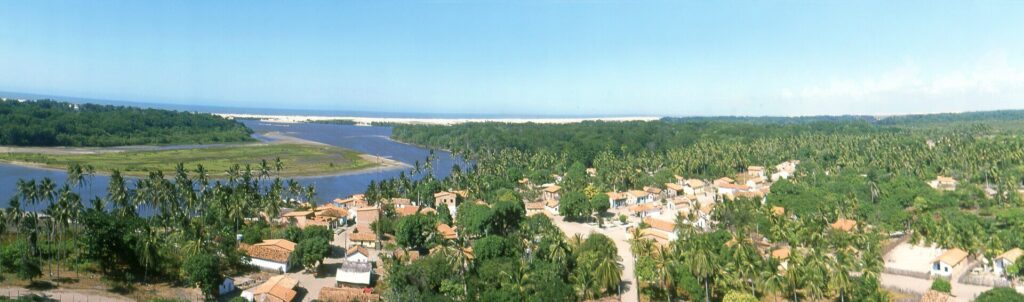
The second classic outing is a half-day or full-day boat ride down the Preguiças River toward the coast. Stops usually include Vassouras, where smaller dunes (the “Little Lençóis”) meet the river, and Mandacaru, where you can climb a lighthouse for a wide view of dunes, mangroves and sea. Many boats end at Caburé, where you can eat grilled fish or shrimp with the water on both sides.
This trip works well as a contrast to the lagoon day, and the boat gives you a break from sun and sand. It also shows the other side of the region: fishing communities, palms and mangrove creeks. If your time is limited, do the lagoon tour first and add the river trip if you have a spare half-day.
Other Ways to See the Dunes
If you want more than the standard routes, several options are worth considering. Availability and conditions change, so ask locally.
- Scenic flights: Short flights in small aircraft are offered from Barreirinhas and are the best way to grasp the scale and pattern of the dunes. They depend on weather and demand.
- Multi-day walks: Guided treks cross the dunes between villages such as Atins and Santo Amaro, with overnights in simple lodging or hammocks. They require good fitness, a guide, and careful planning for heat and water.
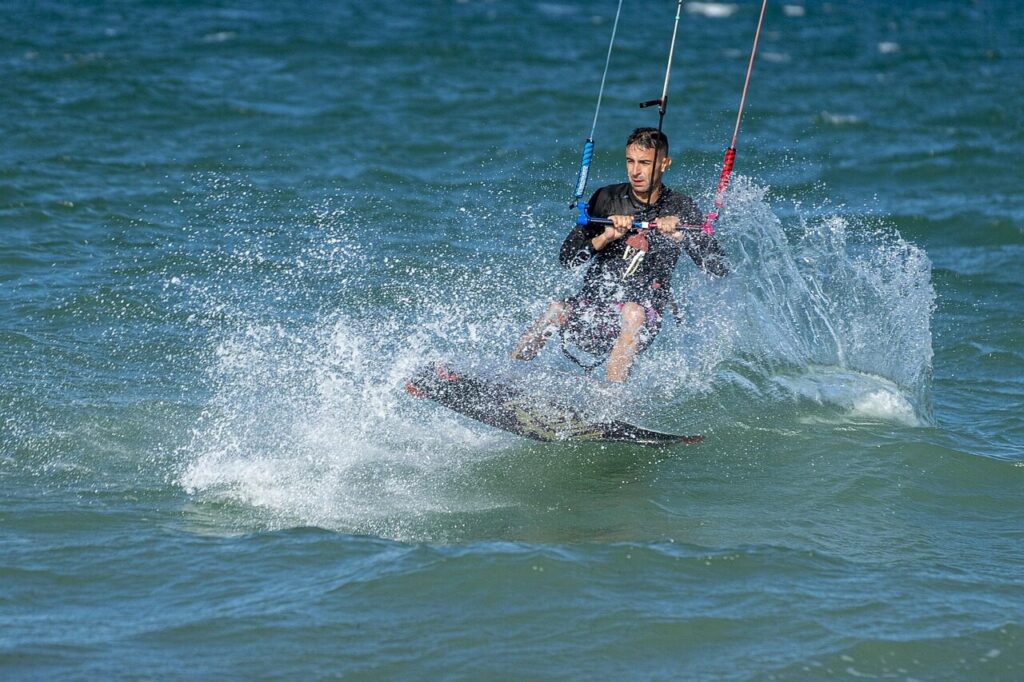
- Kitesurfing: Atins and Caburé have reliable wind in the drier months, and shallow lagoons make it a popular place to learn or practice.
- Remote village stays: Santo Amaro and similar communities give a quieter look at the coast and the dunes than the day-trip circuit.
The region pairs naturally with other Northeast beach destinations. For ideas on where else to go along the coast, see our roundup of the best beaches in Brazil.
Safety, Health and Park Rules
Lencois Maranhenses is a calm destination in general, and Barreirinhas is a small town where tourism is the main business. The main risks are environmental rather than criminal: sun, heat, dehydration and vehicle travel on sand.
- Sun: The white sand reflects light strongly and there is almost no shade. Use a hat, sunglasses, a long-sleeved light shirt and plenty of sunscreen, and reapply after swimming.
- Water: Carry more drinking water than you think you need, especially on long tours or treks.
- Guides: Tracks are unmarked and the dunes shift. Do not wander far from your group, and never start a long hike without a local guide.
- Vehicles: Choose operators with sturdy 4x4s and drivers who seem experienced. If a driver is reckless on the road, you can speak up or change agencies.
- River and sea: Wear life jackets on boats if offered, and be careful with currents at the river mouth.
Health requirements for the Northeast are the same for all travelers, regardless of passport. Check our guide on vaccines for Brazil, and bring insect repellent for the riverside areas and evenings. For broader advice, read our Brazil travel tips.
Park rules and access arrangements can change, so check the current situation with your pousada or agency, especially for entry fees, restricted areas and any limits on walking routes.
Eating in Maranhão
Maranhão has its own regional cooking, and São Luís is the best place to taste it. Look for arroz de cuxá, rice served with a paste of vinagreira (a tart leafy plant) and shrimp, and for seafood pies and fish stews. Along the coast, grilled fish, shrimp and crab are standard, usually served with rice, farofa and salad.
You will also see Guaraná Jesus, a pink soda from the state that locals take seriously. For a wider introduction to regional cooking, see our guide to traditional Brazilian food.
Planning Your Visit
Three nights in Barreirinhas gives you one lagoon day, one river day, and a buffer for weather. Add two nights if you want a second lagoon trip, a scenic flight or a stay in Atins. Include one night in São Luís if you can, which adds a city stop and softens the long drive.
Services are thinner here than in big cities, so some basics help:
- Bring enough cash for small villages and tours, since ATMs can be unreliable and not every pousada or boat operator takes cards.
- Pack light, quick-drying clothes, a dry bag and sandals that stay on in water.
- Download offline maps and keep a few key Portuguese phrases handy, because English is not widely spoken outside the larger pousadas.
- Book accommodation early for July and the year-end holidays, and ask your pousada to arrange transfers.
- Keep a flexible day in your schedule for storms or rough river conditions.
If you are linking this trip to a longer route through the Northeast, such as Jericoacoara or Fernando de Noronha, read our Fernando de Noronha travel guide and plan your connections early.
Frequently Asked Questions
Can you swim in the lagoons at Lencois Maranhenses?
Yes. The lagoons are freshwater, clear and warm, and swimming is the main activity on lagoon tours. Depth varies from ankle-deep to well over your head, so ask your guide before diving in. They only exist while the rainy-season water lasts, which is why timing matters.
How many days do you need in Lencois Maranhenses?
Three nights in Barreirinhas is a practical minimum, which allows a lagoon tour, a river trip and a buffer for weather. Add extra nights for a scenic flight, Atins or Santo Amaro, or a guided trek. Add a night in São Luís if you are arriving or leaving by air.
Are the lagoons dry in November?
Late in the year many lagoons shrink or disappear, so the landscape is often mostly sand. Some may remain depending on how much rain fell earlier. The dry months are better for kitesurfing around Atins and Caburé than for lagoon swimming. If lagoons are your priority, plan for mid-year.
Can you visit Lencois Maranhenses without a tour?
Not in any practical way. The dune tracks are unmarked and change with the seasons, and access is mainly by local 4×4 drivers or boats. You can stay independently, but you will need a local operator or guide to reach the lagoons and to hike safely.
Is Lencois Maranhenses worth it if I only have a week in Brazil?
It can be, but it needs a long travel day each way, because São Luís connects mainly through other Brazilian hubs and the drive to Barreirinhas takes hours. It suits travelers who want a nature-focused trip. If your week is mostly city sightseeing, consider a shorter route instead.