
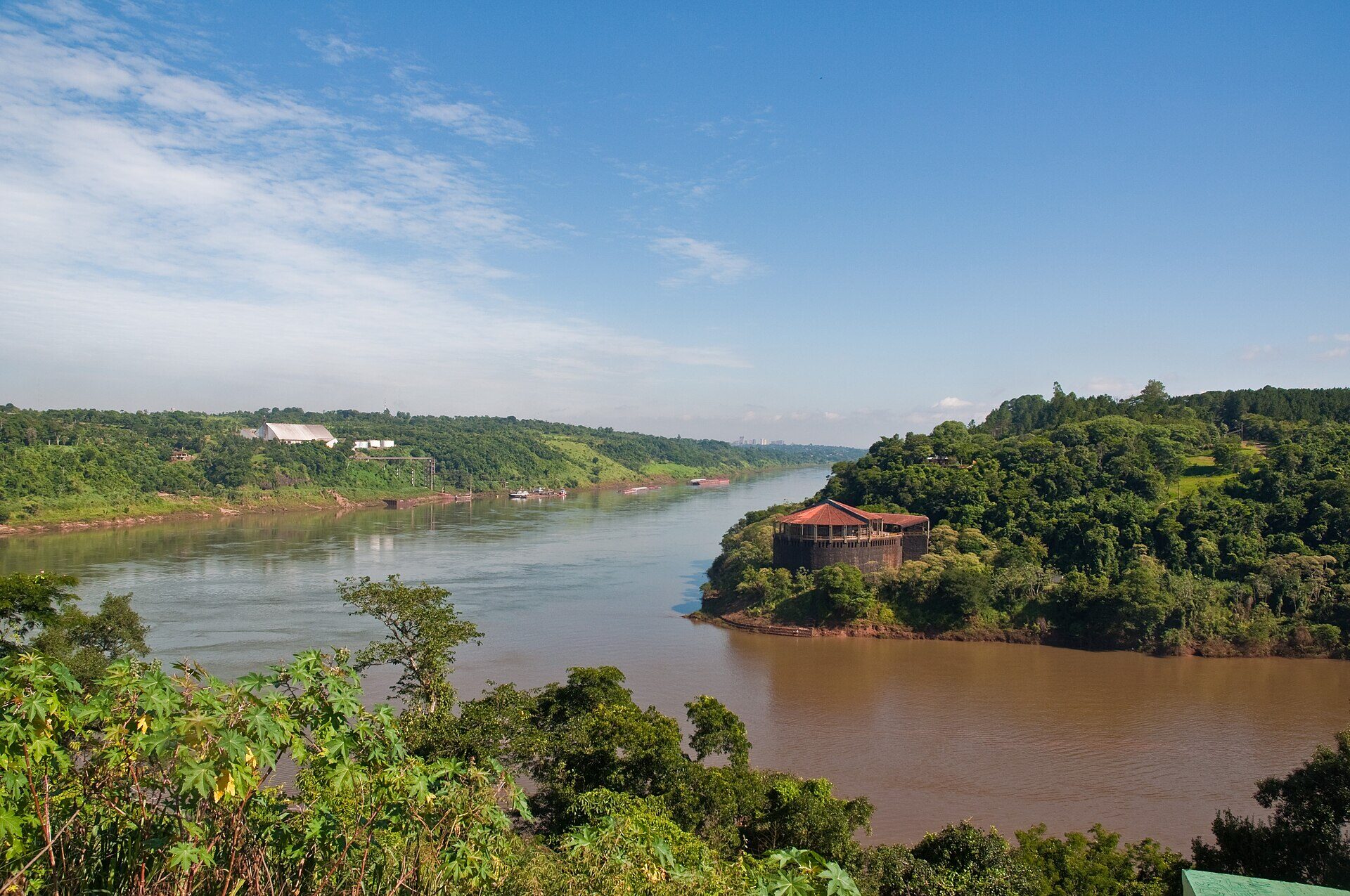

Brazil has no single rainy season. The rainy season in Brazil moves around the country, so the wet months in Rio are not the wet months in Salvador, and neither matches the Amazon. Southeast Brazil and the Amazon are wettest in the southern-hemisphere summer, roughly November to May, while the Northeast coast gets its heaviest rain from about April to July.
That is good news for planning. In almost any month, some part of Brazil is dry and sunny, and some rain is actually the reason to go. This guide covers where and when it rains, where it improves a trip, and where it ruins one. For the full month-by-month picture, see our best time to visit Brazil guide.
Rainy Season Brazil by Region: A Quick Calendar
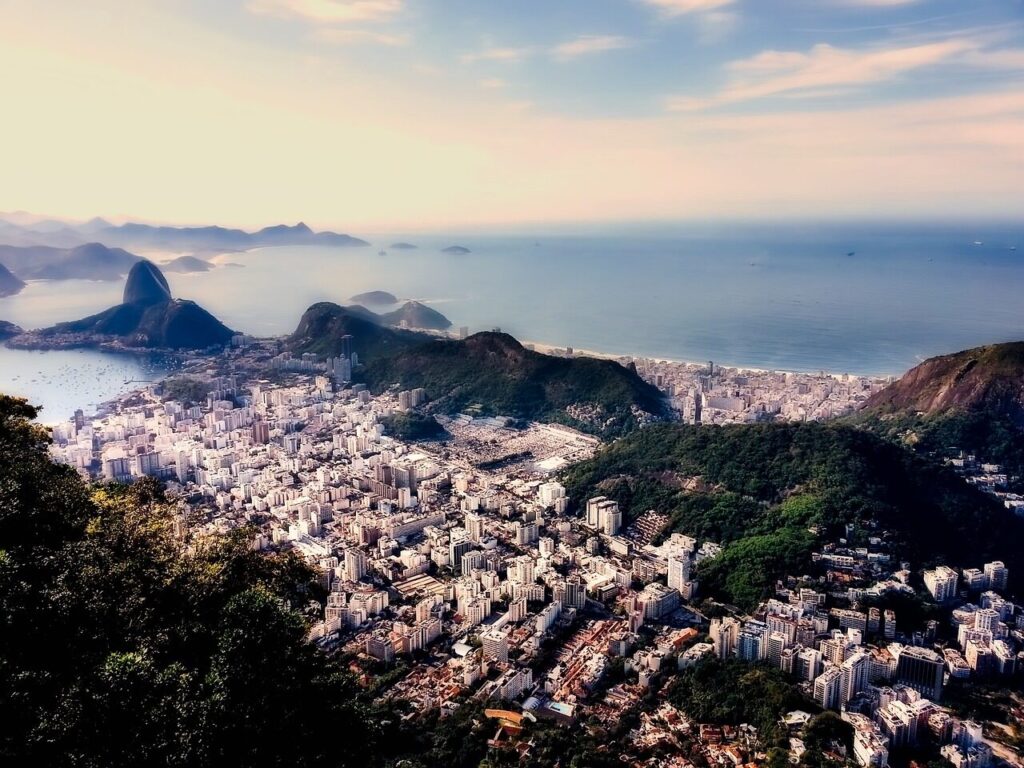
Summer in Brazil means rain and strong storms almost everywhere, with hail and lightning, except on the east coast of the Northeast. That coast follows a different calendar, and its heaviest rain falls in winter. The table gives typical wet periods. Exact timing shifts from year to year, and sources differ by a month or so at the edges.
| Region | Typical wet months | What it means on the ground |
|---|---|---|
| Rio de Janeiro, São Paulo, Southeast | November to March | Hot, humid, with heavy afternoon storms. São Paulo averages about 11.5 inches in January and 1.3 inches in August. |
| Amazon (Manaus) | December to May | Rivers rise and the forest floods. Manaus is wettest January to April and driest July to September. |
| Pantanal | November to March, peak flooding later | Floodplain fills, some roads and lodges become hard or impossible to use |
| Northeast coast (Salvador, Recife) | April to July, Recife into August | Frequent downpours in the Brazilian winter, still warm |
| Fortaleza and the north coast | January to July | Rain is heaviest in March and April. |
| Lençóis Maranhenses | January to May | Lagoons form between the dunes |
| South, including Iguaçu | No clear wet season | Rain can fall in any month; summer is warmer and stormier |
Our Brazil weather by region and season page has temperatures and the cooler southern winter. The rainfall averages above come from South America Travel’s Brazil weather overview.
Where the Rain Works in Your Favor
Three of Brazil’s best natural sights depend on rain, so avoiding it entirely is not always smart.
Lençóis Maranhenses
This park is the clearest case. During the rainy season, the valleys between the dunes fill with freshwater lagoons that cannot drain. The best swimming comes just after the rain stops, usually from about June to September, when skies clear and the water is still high. Visit in the heaviest rain and you may get overcast days and flooded sand tracks. Visit after October and many lagoons have shrunk. Our Lençóis Maranhenses guide covers the logistics, and the park’s managing agency, ICMBio, is the official source for access rules.
The Amazon at high water
Rain in the Amazon is not a reason to skip it. In the wet months the rivers rise and boats can move through flooded forest, which puts you at eye level with the canopy. Heat and humidity are heavy, and showers tend to be intense rather than all-day. The river usually peaks some weeks after the rain does, so water levels and rainfall are not the same thing. Our guide on how to visit the Amazon rainforest from Brazil explains how lodge and cruise options change with the water.
Where Rain Gets in the Way
The Pantanal
The Pantanal is the place where the wet season costs you the most. When the plain floods, the Transpantaneira road can become partially impassable, many lodges close, and wildlife spreads across the flooded land. Wildlife viewing is generally easier once the water recedes, from about April or May onward. If wildlife is your goal, our Pantanal travel guide explains which months and areas suit you.
The Northeast coast
Here the rain hits the beach towns. Salvador is wettest from April to June, with about 12 inches in May, and Recife peaks in June at roughly 15 inches. Recife is much drier by November, with only about 1.5 inches. Temperatures stay warm, so the problem is gray skies and sea conditions, not cold.
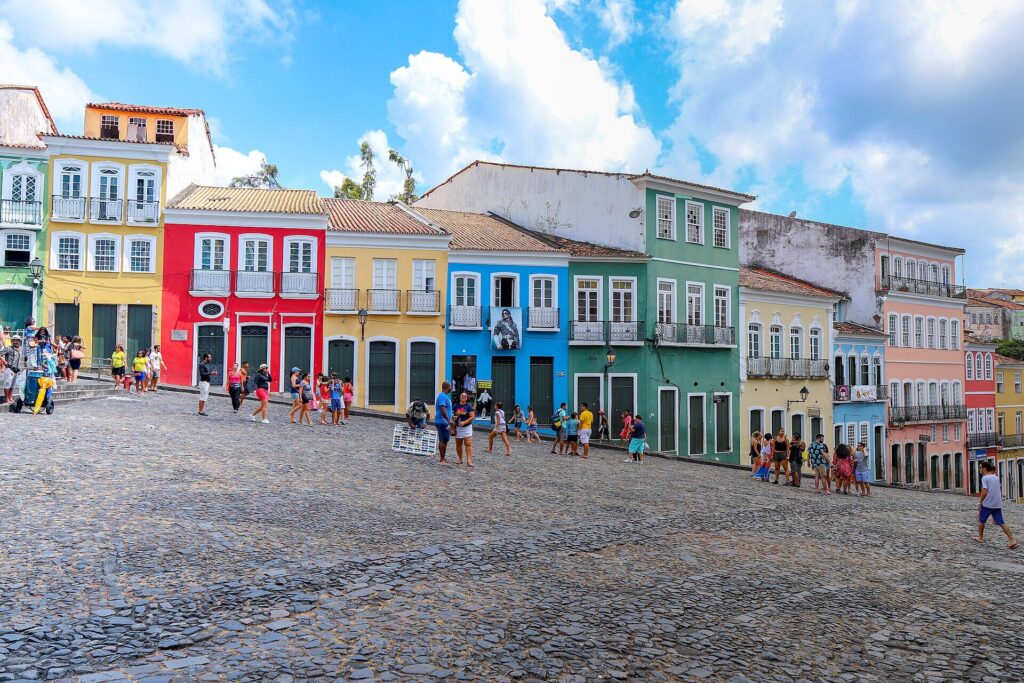
Rain here often comes as short, heavy bursts. In Recife, afternoon showers typically last one to two hours, so mornings can still be sunny. Salvador’s historic center works reasonably well in wet weather, because churches, museums and restaurants are close together. Our Salvador guide is worth a look if you are planning a wet-season trip, but we have not linked it from the list below to keep this page focused.
Fernando de Noronha
The island has the same pattern as Recife. April and May are the height of the wet season in both places, with rain on a third to half of the days each month. Our Fernando de Noronha guide will help you decide between a rainy-season discount and clearer, drier months.
Matching Your Dates to a Dry Region
Most US and European visitors travel in two windows: northern-hemisphere summer and the Christmas-to-February break. The rain falls differently in each.
- June to August: This is the dry season in Rio, São Paulo, the Pantanal and much of the Amazon. The Northeast coast is the exception, though Salvador starts to dry out by July while Recife stays wet longer.
- December to February: The Northeast coast is in its drier season, which suits beach holidays. Rio and São Paulo are hot and storm-prone, and the Amazon and Pantanal are wet.
- Easter in April: This often lands in the wettest weeks for Salvador, Recife and Fortaleza. Europeans planning an Easter beach trip to the Northeast should expect rain.
If your dates are fixed, choose the region around them. A July trip can pair Rio with the Pantanal and the Lençóis lagoons. A January trip works better on the Northeast coast than in the Amazon.
Practical Adjustments for a Wet-Season Trip
Rain in Brazil is warm, so the aim is staying comfortable and flexible, not staying dry at all costs.
- Rain gear: A lightweight poncho or packable jacket beats an umbrella in heavy wind. Pack quick-dry clothes and a waterproof pouch for your phone and passport.
- Footwear: Smooth stone pavements and wet tile get slippery. Bring shoes with grip, not only flip-flops.
- Schedule: In stormy regions, plan outdoor activities for the morning and keep museums or lunches for the afternoon.
- Flights: Storms can delay or cancel flights, so avoid very tight connections on the same day as a long-haul return. Our guide to flights, buses and rideshares covers the options when a flight falls through.
- Mosquitoes: Standing water after rain raises mosquito numbers. Use repellent and wear long sleeves at dawn and dusk.
- Views: Clouds can hide viewpoints such as Christ the Redeemer or Sugarloaf. Check a live webcam or forecast before you commit to the ticket and the trip up.
Insurance deserves a closer look in wet-season regions. Many US health plans and Medicare do not cover care abroad, and the UK GHIC does not apply in Brazil, so a travel policy with medical and trip-interruption cover is worth checking before you go. EU citizens should confirm what their national health card covers outside Europe, which is generally nothing in Brazil.
Planning Your Visit
Pick your month first, then choose the regions that are drier or better for rain in that month. Check the forecast from Brazil’s national weather service, INMET, or a regional app a week before each leg, since a wet pattern can arrive early or late. Allow an extra buffer day for the Pantanal, the Amazon or any long road transfer.
For budgeting, our trip cost guide shows how prices shift between seasons. Wet-season rates on the Northeast coast are often lower than in peak summer, which can make a rainy week a reasonable trade if you are flexible.
Frequently Asked Questions
Is it worth visiting Brazil in the rainy season?
Usually yes, if you choose the right region. Rain in Rio or São Paulo tends to arrive as hot afternoon storms, with sunny mornings between them. Low season also means lower prices in some areas. The Pantanal during peak flooding and the Northeast coast in its wettest weeks are the weakest choices.
Which month is driest across most of Brazil?
No month is dry everywhere. August is among the driest months for the Southeast, the Pantanal and much of the Amazon, which is why July to September is popular with visitors. The Northeast coast is the exception, so combine it with a drier season there, such as November.
Does it rain all day during the rainy season?
Rarely. In most regions the rain comes in intense showers that last an hour or two, often in the afternoon, with sunshine before or after. The Northeast coast can have longer, grayer stretches in its wettest weeks. Plan outdoor sightseeing for the morning when possible.
Is the Amazon better in the wet or dry season?
It depends on what you want. High water allows boat trips through flooded forest and canoe access to areas closed in the dry months. Drier months make jungle walks easier and sandbars appear along the rivers. Neither season is cold or truly dry; heat and humidity last all year.
Can I still swim at Lençóis Maranhenses during the rains?
Yes, but conditions are less reliable. Heavy rain can bring cloud and flooded access tracks, and lagoons are still filling. The most dependable swimming comes after the rain eases, usually around June to September. Check current conditions with your tour operator in Barreirinhas or Atins before you book.