
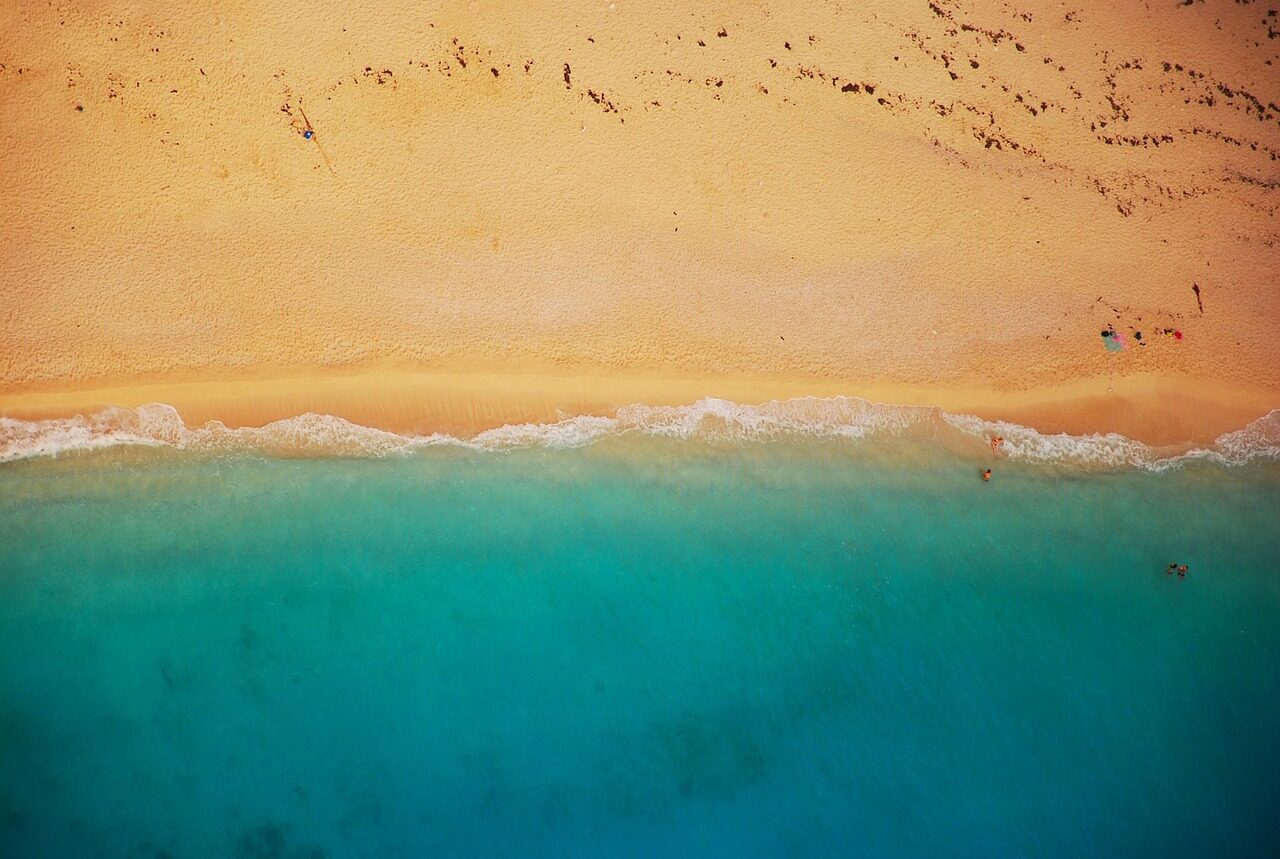

Florianópolis is the best choice in Brazil if you want beaches, surf and outdoor activities in one place, without the scale of Rio. Most of the city sits on Santa Catarina Island, locally called Floripa, which has dozens of beaches, a large lagoon and hills covered in Atlantic forest. This Florianópolis travel guide explains how the island is laid out, which beaches suit which traveler, and how to handle the practical details.
Plan on four to seven days. That is enough to see the main beaches, spend a day on the lagoon, eat well and hike to one remote cove. The island is not one resort. Each coast has a different character, so where you sleep shapes your trip more than in most Brazilian destinations.
Florianópolis Travel Guide: How the Island Is Laid Out
The island runs roughly north to south, with the old city center on the western side facing the mainland. Bridges link the two, and traffic from the mainland funnels through them. Almost everything you will want to see lies to the north, east or south of the center.
- North: calm, shallow water and a resort feel. Jurerê Internacional, Canasvieiras and Ingleses are here.
- East: open Atlantic beaches with surf, dunes and the main lagoon. Lagoa da Conceição, Joaquina, Praia Mole and Barra da Lagoa are the draws.
- South: fishing villages, long wild beaches and trailheads. Campeche, Armação, Matadeiro and Pântano do Sul are here, along with the freshwater Lagoa do Peri.
- West (bay side): Azorean-era villages such as Santo Antônio de Lisboa and Ribeirão da Ilha, known for oysters and sunsets over calm water.
The Azorean influence is worth knowing about. Settlers from the Azores arrived in the 18th century, and you can still see it in the whitewashed churches, the fishing traditions and the seafood-heavy cooking on the island’s west and south sides.
Distances look short on a map but feel longer. One road runs along each coast, and a few chokepoints jam up in high season. Pick a base on the coast you most want to explore and treat the others as day outings.
Best Beaches in Florianópolis by Area
The easiest way to choose a beach is to decide whether you want calm water or waves. The north bay side is gentle and good for children. The east and south coasts face the open ocean and bring surf, wind and stronger currents.
| Beach | Area | Character | Best for |
|---|---|---|---|
| Jurerê Internacional | North | Upscale, planned community, beach clubs, calm water | Nightlife in summer, relaxed swimming |
| Canasvieiras | North | Wide, gentle, busy with families and Argentine visitors | Children, budget stays |
| Praia Mole | East | Steep sand, strong waves, young and LGBTQ-friendly crowd | Surfing, people-watching |
| Joaquina | East | Big dunes and consistent surf | Sandboarding, surf lessons |
| Barra da Lagoa | East | Fishing village at the lagoon outlet, protected corner for swimming | Easy days, seafood lunches |
| Campeche | South-east | Long, local, laid-back, with an island offshore | Walks, surf, boat trip |
| Matadeiro and Lagoinha do Leste | South | Wild, reached on foot or by a short walk | Quiet beach days, hiking |
Joaquina and Praia Mole sit close together, so you can see both in a morning. Joaquina’s dunes are the main attraction. Local vendors rent sandboards at the base, and the climb is harder than it looks. Wear a hat and bring water.
From the end of Praia Mole, a trail leads over the rocks to Galheta, a small naturist beach. Clothing is optional there, and it is generally quiet.
Campeche has the Ilha do Campeche just offshore, known for its clear water and ancient rock carvings. Boats leave from the Armação area, and the island limits daily visitor numbers, so book ahead in summer. Trips are cancelled when the sea is rough.
Lagoa da Conceição and the Lagoon Life
Lagoa da Conceição is a large saltwater lagoon in the middle of the eastern side, and it works as the island’s social hub. Restaurants, bars, hostels and small hotels line its shore, and the neighborhood around it is the most popular base for visitors in their twenties and thirties. In the evening the waterfront fills with live music and people watching the light fade over the water.
The lagoon is also a sports venue. Wind and flat water make it good for stand-up paddling, windsurfing and kitesurfing, and there are schools for each. Tandem paragliding launches from the hill above the lagoon, and the view of the lagoon, dunes and ocean is the best on the island.
For a quieter outing, head to Costa da Lagoa, a small community on the lagoon’s far side with no road access. You reach it by a regular boat from the lagoon’s edge or on a forest trail, and most people do one in each direction. Several simple restaurants serve fish and shrimp on the water.
Lagoa do Peri, in the south, is different: a freshwater lagoon inside a protected park where motorboats are not allowed. It suits kayaking, swimming and picnicking when the ocean is too rough.
Surfing and Outdoor Activities
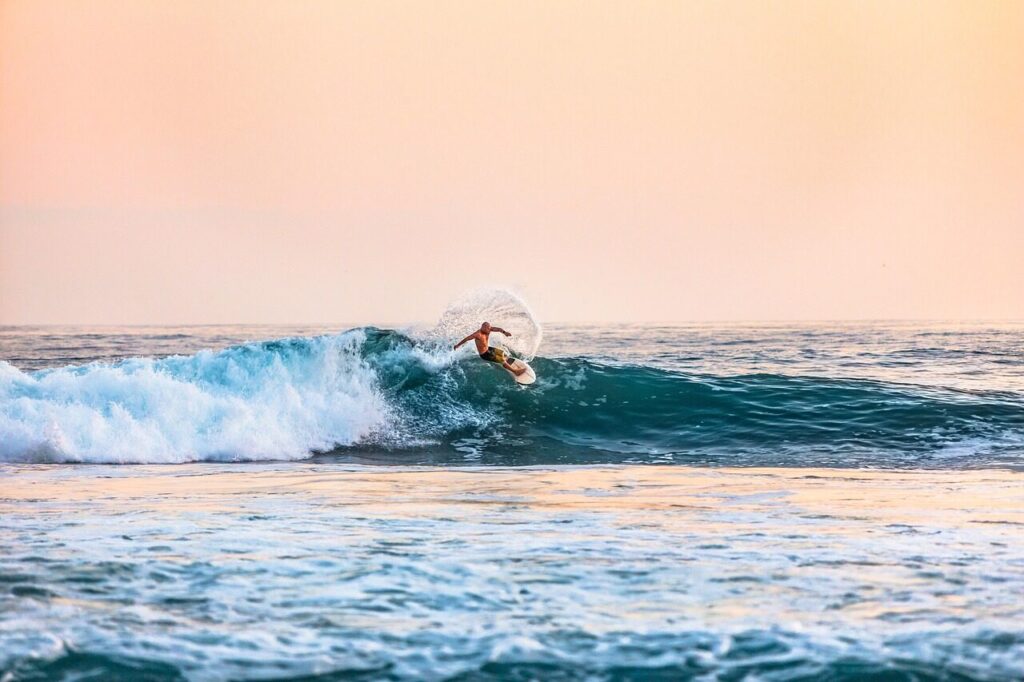
Surf culture is part of daily life here. Joaquina, Praia Mole, Campeche and Santinho are the best-known breaks, and each tends to suit different levels. Beginners usually start at the gentler stretches of Campeche or with a school at Joaquina, while Mole is steeper and more demanding.
Waves are most dependable in the cooler months, roughly autumn through winter, when southern swells arrive. In summer the water is warm enough for a light wetsuit or none at all, but sea conditions can flatten out. In winter you will want a proper wetsuit, because the water is cold by Brazilian standards.
Other options worth planning around:
- Sandboarding: at the Joaquina dunes, with boards rented on site.
- Stand-up paddling and kitesurfing: mainly on Lagoa da Conceição and the calmer bays.
- Paragliding: tandem flights from the hill above Lagoa da Conceição, subject to wind.
- Dolphin watching: boat trips in the northern bay stop at the Santa Cruz de Anhatomirim fortress, a colonial Portuguese fort on a small island, and often pass dolphins.
Trails to Remote Beaches
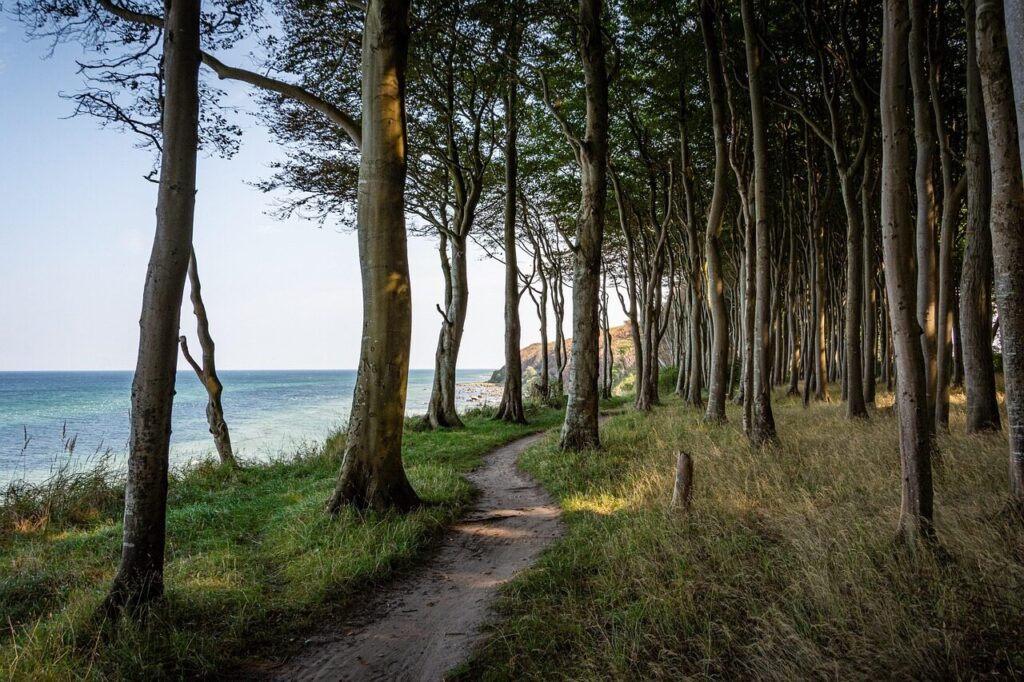
Some of the best beaches on the island have no road. The hike to Lagoinha do Leste, in the south-east, is the best known. It starts from the Pântano do Sul or Matadeiro side and climbs over a forested ridge to a wide beach with a small lagoon behind it. Allow a couple of hours each way, wear proper shoes and carry water, because there is little shade and no shop at the other end.
In the far south, a trail from Caieira da Barra do Sul leads to Naufragados, a long beach near a lighthouse at the island’s southern tip. It is shorter and easier than the Lagoinha route, but still uneven in places.
Check the weather before you go. The trails can be slippery after rain, and clouds can hide the views. Start early and plan to finish before dark, since there is no lighting along these paths.
What and Where to Eat: Oysters and Seafood
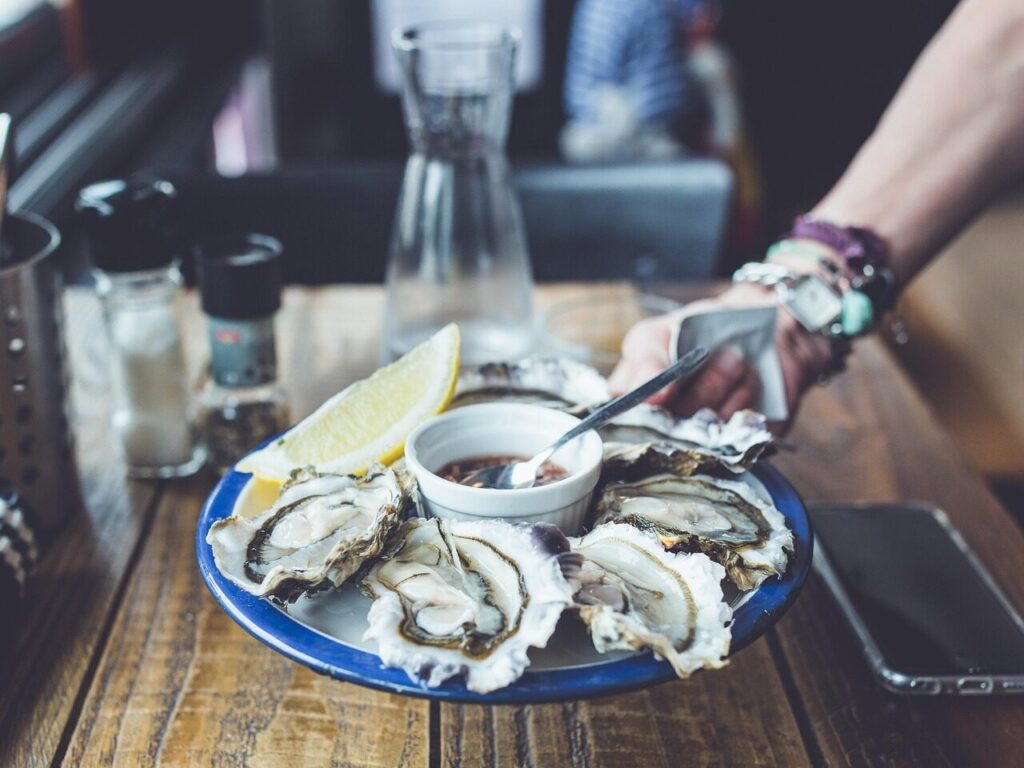
Florianópolis is Brazil’s biggest oyster producer, and the farms are in the calm bays on the island’s west and south sides. The villages of Santo Antônio de Lisboa, Sambaqui and Ribeirão da Ilha are the traditional places to eat them, usually at waterfront restaurants where the oysters are served raw, grilled or baked with cheese. If you have never eaten them here, order a half dozen raw with lemon first, then try them cooked.
Other dishes to look for:
- Sequência de camarão: a long, all-you-can-eat sequence of shrimp prepared in different ways, served at many restaurants and good for sharing.
- Berbigão: small cockles, often served in broth or in a bubbling stew.
- Tainha: the local mullet, associated with winter fishing season and often served grilled or with pirão, a thick cassava porridge.
- Fish and shrimp at Barra da Lagoa and Pântano do Sul: simple places where fishing boats are visible from the tables.
Portions are often large, so ask whether a dish serves two. In the center, the Mercado Público is a good lunch stop with a mix of stalls and sit-down restaurants.
Historic Villages and the Old Center
Florianópolis is not a colonial showpiece, but a few places give the island some context. Santo Antônio de Lisboa and Ribeirão da Ilha keep their Azorean-style churches, low houses and waterfronts, and both are best in the late afternoon. Have an early dinner there and watch the sunset over the bay.
The city center, on the western side, is the least appealing area for a stay, but it has the Mercado Público and views of the Hercílio Luz bridge, the steel suspension bridge that serves as the city’s symbol. Spend a couple of hours there on the way to or from the airport, not a full day.
Where to Stay on the Island
Choose your base by the type of trip you want. Staying in the center is rarely worth it, since the beaches are a drive away.
| Area | Vibe | Best for | Trade-off |
|---|---|---|---|
| Lagoa da Conceição | Social, lots of restaurants and bars | Solo travelers, couples, first visits | Busy at night; beaches are a short drive |
| Campeche and Armação | Relaxed, local, close to the airport | Surfers, longer stays | Fewer nightlife options |
| Barra da Lagoa | Small fishing village feel | Quiet stays near the beach | Limited choice, crowded in peak summer |
| Jurerê Internacional | Polished, beach clubs, calm water | Upscale stays, summer parties | Higher prices, far from the south |
| Canasvieiras and Ingleses | Family beaches, lots of apartments | Families, budget travelers | Less character, heavy summer crowds |
For a first visit of a week or less, Lagoa da Conceição is the easiest choice, because it has the widest range of food and the best transport links to the east coast beaches. If you mainly want to surf or hike, Campeche or Armação will suit you better.
Book early for December through February, and again around Carnival and school-holiday weeks. Many apartments require minimum stays in peak season.
Getting There and Getting Around
Florianópolis has its own international airport, Hercílio Luz, on the island’s south-central side, closer to Campeche than to the north beaches. Most visitors from the US, UK and Europe connect through São Paulo or Rio on a short domestic flight. If you are building a longer trip, the city fits well after the big-city stops in our 10 days in Brazil itinerary.
Entry rules depend on your passport, and they change. US citizens should check our guide to Brazil visa requirements for US citizens, and UK and EU travelers should read Brazil entry requirements for EU and UK travelers before booking.
On the island, a rental car gives the most freedom, especially for the south and for the early starts that hiking requires. Summer traffic is heavy at the bridges and on the main east and south coast roads, so avoid moving between coasts at peak hours. Rental agencies set their own rules on licenses, and carrying an International Driving Permit with your home license is a sensible precaution.
If you do not want to drive, ride-hailing apps work across most of the island, and taxis are available. Public buses exist but are slow for beach hopping. Fares for ride-hailing rise in rain and on busy nights, and trips to remote spots can be hard to book for the return journey, so arrange a pick-up time if you are going far.
English is not widely spoken outside tourist-oriented businesses. In the north, many staff understand some Spanish because of the large number of Argentine visitors, but a few Portuguese phrases will help everywhere.
Best Time to Visit Florianópolis
December to February is high season: hot, crowded and lively, with the best beach weather and the most expensive rooms. March, April, October and November are the sweet spot for many travelers, with warm days, fewer people and easier bookings. For a wider view of the country’s seasons, see our month-by-month guide to the best time to visit Brazil.
June to August is cool, sometimes wet and windy. It is not beach weather for swimming, but surf conditions improve, prices fall and the oyster and mullet seasons are in full swing. Pack a jacket, because evenings can be chilly in a way that surprises people who expect a tropical island.
Wherever you go, the ocean here is cooler than in the northeast, and the weather can change quickly. Build a spare day into a short trip in case rain or wind cancels a boat trip.
Safety and Sea Conditions
Florianópolis is generally seen as one of Brazil’s more relaxed destinations, but normal precautions apply. Petty theft happens on crowded beaches and from parked cars, especially at trailheads and viewpoints. Do not leave bags, phones or documents in a vehicle, and keep valuables out of sight on the sand. For the wider picture, read our honest guide to safety in Brazil. Official advisories from the US, UK and EU governments each describe Brazil differently, so check the one for your country before you travel.
The bigger risk for most visitors is the sea. Open-ocean beaches such as Joaquina, Mole and Campeche can have strong rip currents, and lifeguard coverage is uneven. Swim near a lifeguard post where there is one, avoid swimming alone on big-wave days, and look for local flags or advice on the sand. If you are caught in a current, swim parallel to the shore rather than against it.
The sun is strong, particularly in summer, and wind makes it feel milder than it is. Reapply sunscreen after swimming, even on overcast days.
Day Trips from Florianópolis
If you have a few extra days, the surrounding coast and inland areas add variety. The most useful options are:
- Praia do Rosa and Garopaba (south): surf beaches and, roughly from winter into spring, a good area for seeing southern right whales from shore or on a boat tour. Allow a long day, or stay overnight.
- Balneário Camboriú (north): a high-rise beach city with a cable car and a very different feel from the island. Better as a quick visit than a base.
- Blumenau and the German-influenced towns inland: beer, bakeries and half-timbered architecture. It is a full day with a driver or tour, or an overnight trip.
Honestly, you will probably find enough to do on the island itself, and day trips are best saved for longer stays or rainy days.
Planning Your Visit
Book your base first, then add one boat trip and one hike, leaving the rest of the days flexible so you can follow the weather. Wind and swell change which beach is best on a given day, so the plan should too.
For budgeting, costs here are lower than in Rio’s best-known areas in the off-season but rise sharply in peak summer, mostly because of accommodation. Our guide to how much a trip to Brazil costs will help you set a realistic overall budget.
Pack a light rain jacket, sturdy shoes for trails, reef-safe sunscreen and a dry bag for boat trips. Carry some cash for small beach vendors and village restaurants, since not every place takes cards. Leave one evening free for oysters at sunset on the bay side, and you will have covered the best of what the island offers.
Frequently Asked Questions
How many days do you need in Florianópolis?
Four to seven days works for most visitors. That gives you time for the east coast beaches, a day on Lagoa da Conceição, a boat trip or hike in the south, and an oyster dinner on the bay side. With only two or three days, choose one base and stay on that coast.
Is Florianópolis good for first-time visitors to Brazil?
Yes, especially as a beach stop after Rio or São Paulo. It is easy to reach by short domestic flight, has plenty of tourist infrastructure and is generally relaxed. English is limited, so learn basic Portuguese phrases and use translation apps for menus and transport.
Do you need a car in Florianópolis?
A car is helpful for the south and for hiking trailheads, but not essential. If you stay around Lagoa da Conceição or Campeche, ride-hailing apps and taxis cover most trips. In summer, traffic can make driving slow, so allow extra time between coasts.
Which Florianópolis beach is best for swimming?
The northern beaches, such as Canasvieiras and Jurerê Internacional, have the calmest water and are best for children and relaxed swimming. Barra da Lagoa also has a sheltered corner. Open-ocean beaches like Joaquina and Mole can have strong waves and rip currents.
Is Florianópolis worth visiting in winter?
It can be. It is too cool for most beach swimming, but surf is often better, crowds and prices drop, and it is a good season for oysters and for whale watching in the nearby south coast. Pack warm layers and a rain jacket, since weather can turn windy and wet.