
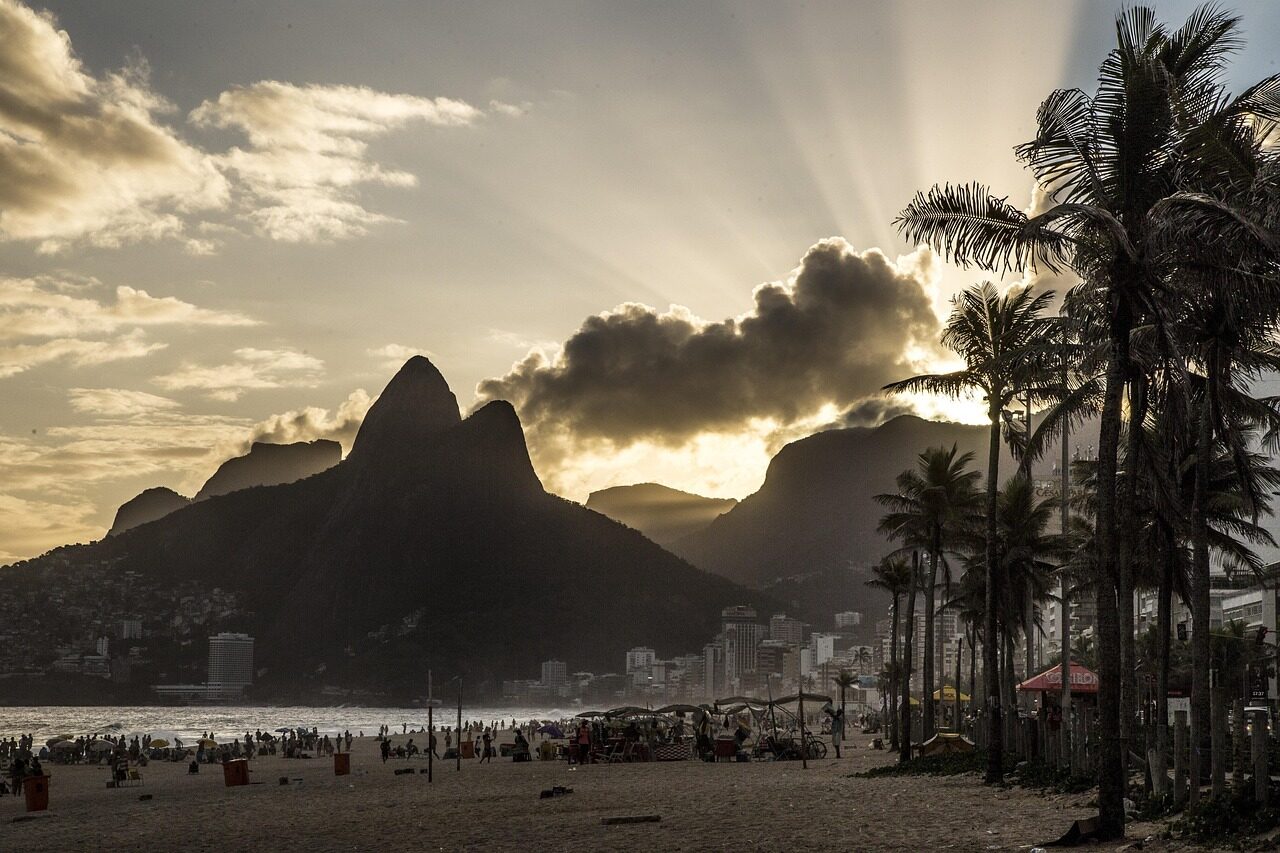

Brazil is not a bargain destination by default. It becomes one when you control four things: when you travel, where you go, what you eat, and how you move between cities. Get those right and a backpacker-style trip is realistic at roughly US$40 to US$65 a day, plus flights.
This guide covers brazil on a budget as a set of choices rather than a price list. For full cost breakdowns by travel style, see our guide to what a trip to Brazil costs. Here we focus on where the savings actually are.
Fixed Costs You Cannot Trim
Flights are the biggest line item, and nothing in Brazil will offset an expensive ticket. Fly outside peak weeks and be flexible by a day or two. That matters more than any hostel hack.
Entry paperwork differs by passport. US citizens have needed a visa since April 10, 2025, and apply online for an electronic visa before they fly. The fee was US$80.90 per person as of October 2026. Apply only through the official portal at brazil.vfsevisa.com, and read our visa guide for US citizens for the steps. UK and EU citizens remain visa-free for 90 days, so that cost does not apply to you.
Choose Dates and Regions Before Anything Else
The same hostel bed can cost double depending on the week. Off-peak Brazil is genuinely affordable, while peak-season Brazil is not. Carnival, New Year’s Eve and the long school holidays in July and January are the expensive stretches. Our month-by-month guide shows how to balance weather against price.
Shoulder months such as late April to June and September to early November often give the best mix of lower rates and decent weather in much of the country. Check the regional picture first, because rain patterns vary a lot. Lower prices in the Amazon or the northeast can come with heavy downpours.
Region matters as much as season. Rio is the most expensive city for accommodation, while the northeast is the cheapest. A week in Salvador, Recife or the small beach towns of Bahia and Pernambuco will cost noticeably less than a week in Rio or Florianópolis in summer. If you are building a route, put one expensive stop between two cheaper ones rather than stacking them.
Eat Like a Local at Lunch
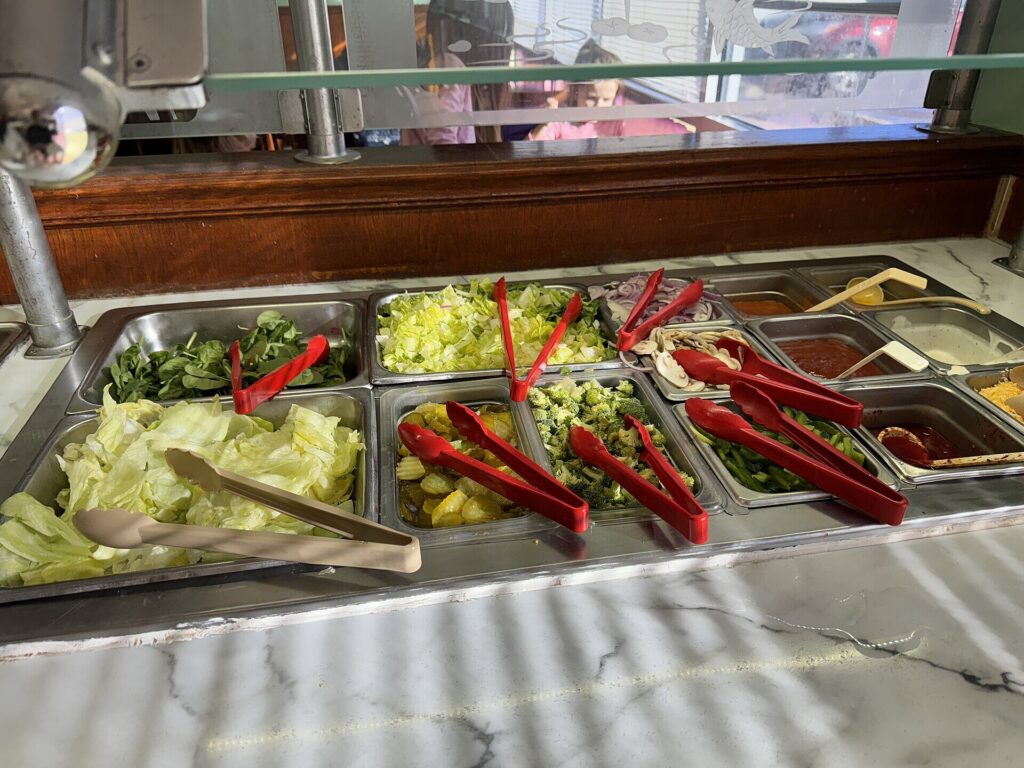
Brazilians eat their main meal at midday, and prices follow. The two formats to learn are the prato feito (a fixed plate of rice, beans, a protein and a side) and the por quilo buffet, where you fill a plate and pay by weight. Dinner at a sit-down restaurant is where budgets leak.
| Meal | Typical price (reais) | Notes |
|---|---|---|
| Prato feito (PF) | R$25 to R$45 | Neighborhood lanchonetes, big portions, often shareable |
| Por quilo lunch plate | R$30 to R$60 | Heavy on meat and you pay more; salad and rice are light |
| Casual sit-down dinner | R$50 to R$100 per person | Drinks and service charge extra |
These are rough ranges and they rise with inflation, so treat them as a guide to relative cost rather than a fixed menu. The pattern holds: lunch is cheaper than dinner for similar food.
Location changes the price per kilo. Tourist areas can charge far more per kilogram than less-visited neighborhoods. Walk two or three blocks away from the beachfront or the main square and look for places full of office workers around 12:30.
For breakfast, a padaria (bakery) serves coffee, bread with butter and pão de queijo for a fraction of a hotel café. Buy fruit, snacks and water at supermarkets rather than beach kiosks. For dishes worth paying for, our traditional food guide is the place to prioritize.
Move Between Cities Without Overspending
Distances are huge, so transport decisions can swing a budget by hundreds of dollars. Long-distance buses are comfortable and cheap on routes of up to 10 or 12 hours, and an overnight departure saves you a night’s lodging. For anything longer, a flight booked early often beats a bus on both time and cost.
Low-cost airlines usually charge separately for checked bags, so compare the total fare, not the headline price. Packing carry-on only is one of the simplest ways to protect your budget. Our guide to flights, buses and rideshares covers how to compare options.
Inside cities, use the metro and buses where they make sense, especially in Rio and São Paulo. Rideshares are fine for late nights and for areas where walking after dark is a poor idea. Do not take a risk to save a few reais.
Sleep Cheap Without Gambling on Location
Hostels dominate the budget scene. Off-peak dorm beds run roughly R$60 to R$120, which is about US$12 to US$24. Private rooms in hostels and simple pousadas cost more, but a double room split between two people often matches the price of two dorm beds.
Prices in Rio can run higher than the national average, and the cheapest listing is not always the best choice. A very low rate often means a long commute or a street you would rather not walk at night. Staying a few minutes from a metro station is worth a small premium, and our Rio neighborhood safety guide shows which areas fit that profile.
Look for places that include breakfast and a shared kitchen. Both cut your daily food spend without making the stay feel grim. Book your first and last nights ahead and leave the middle open if your plans might change.
Free and Cheap Things to Do
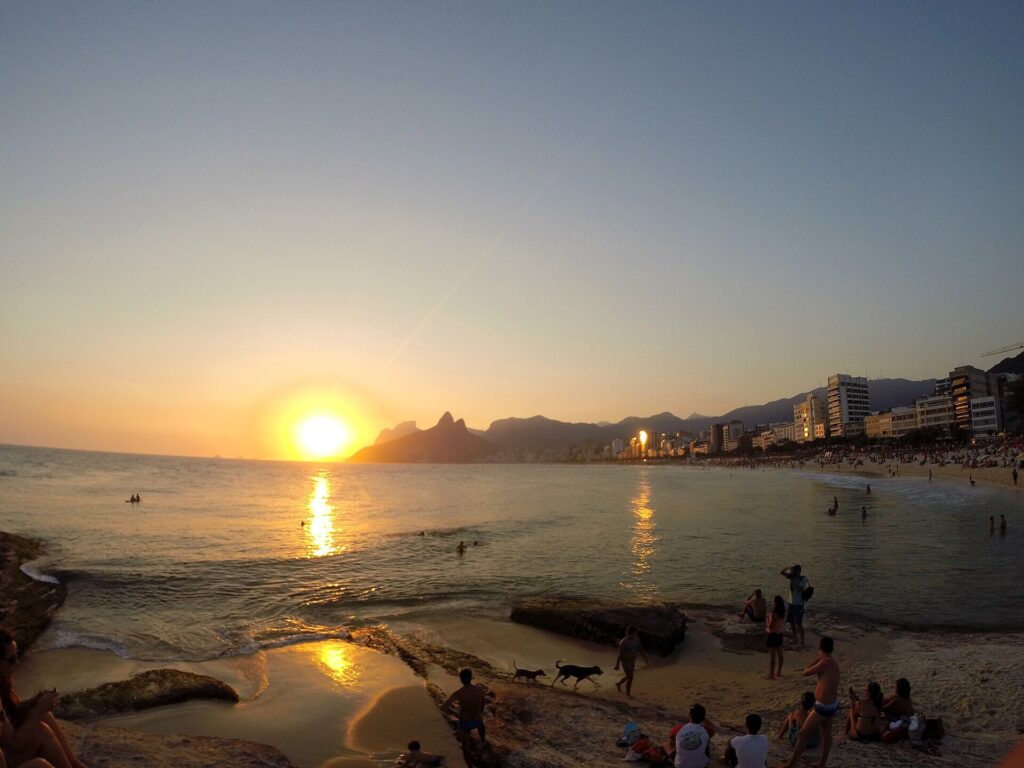
Brazil’s best attractions are often free. Beaches are public, from Copacabana and Ipanema to the quieter strands of the northeast. A towel, sunscreen, a coconut water from a kiosk and a sunset from the rocks at Arpoador can fill a day for less than a lunch in a restaurant.
Wander old centers on foot: Salvador’s historic district, Rio’s Santa Teresa, the colonial streets of Paraty. Many cities also run tip-based walking tours, which give you context for the price of whatever you decide a guide is worth. Parks, free museum days and church visits add more.
Pay for a few headline experiences rather than everything. Pick the ones you care about most, such as a cable car, a falls visit or a boat trip, and let the rest be free. For Iguazu, the choice of side affects cost, and our Iguazu comparison helps you decide.
Pick Destinations With Cost in Mind

Some famous places are expensive because they are remote. Remote ecolodges in the Amazon or the Pantanal can run well over US$100 a night, though prices often include meals, transfers and activities. That can be fair value, but it is not a budget stop. Fernando de Noronha sits in the same category, with costly flights and pricey lodging.
If you want wild scenery on a tighter budget, look at Lençóis Maranhenses. The towns around it are far cheaper than those near the better-known parks, and tours are usually shared 4×4 trips. Our Lençóis Maranhenses guide explains how the logistics work. For the Amazon and Pantanal, compare all-inclusive packages against building your own, since extras add up quickly.
Pay Smart: Cards, Cash and Fees
Card fees can quietly add several percent to your spending. Brazil’s IOF tax, now 3.5%, mostly hits Brazilians spending abroad. A foreign-issued card spent inside Brazil attracts no Brazilian IOF. Your own bank’s foreign-transaction fee is another matter, so bring a card with none.
ATMs are the other weak spot. A flat fee of around R$20 per withdrawal is common at some machines. Take out larger amounts less often rather than small sums daily, and carry a backup card. Our money guide goes through cards, cash and the real in more detail. The Brazilian IOF rules are laid out in this overview of how IOF treats foreign cards.
Planning Your Visit
Build the trip in a sensible order: fix your dates first, then your regions, then flights. US travelers should start the e-visa early enough to avoid paying for a rushed change of plans. Book the first and last nights, and leave the rest flexible so you can follow cheap flights and good weather.
Set a daily spending figure before you leave and keep a small reserve for the expensive thing you will want to do once you arrive. Brazil rewards that kind of planning. A modest daily number and one or two splurges beats a trip where every day is a little too expensive.
Frequently Asked Questions
Is Brazil cheap for tourists?
Not by default. Flights and major tours cost real money, and Rio or Florianópolis in peak season can be expensive. But local lunches, buses, hostels and free beaches keep daily costs low, especially in the northeast and outside holiday periods.
How much should I budget per day in Brazil?
Backpackers who stay in dorms, eat por quilo lunches and take buses commonly land between roughly US$40 and US$65 a day, depending on the city. Mid-range travelers spend considerably more. Rio and Florianópolis sit at the higher end, the northeast at the lower end.
Do UK and EU citizens pay for a visa to visit Brazil?
No. UK and EU citizens can enter visa-free for up to 90 days as tourists. US citizens, by contrast, must hold an e-visa obtained online before travel. Check your passport’s validity and entry conditions with official sources before booking flights.
What is the cheapest way to eat in Brazil?
Choose the prato feito or a por quilo buffet at lunch, ideally a few blocks away from the main tourist strip. Add bakery breakfasts and supermarket snacks. Dinner at sit-down restaurants and beachfront kiosks costs much more for similar food.
Are long-distance buses in Brazil a good option on a budget?
Yes, for routes up to about 10 to 12 hours. Overnight buses also save a night of accommodation. For much longer distances, compare flights booked early, because the time saved is considerable and fares can be close to bus prices.
Is it safe to travel Brazil cheaply?
Yes, if you spend wisely on location and transport. Pick hostels near metro stations, use rideshares at night, and avoid isolated areas. Choosing the cheapest bed in a poorly connected neighborhood is a false economy that can cost you more.