
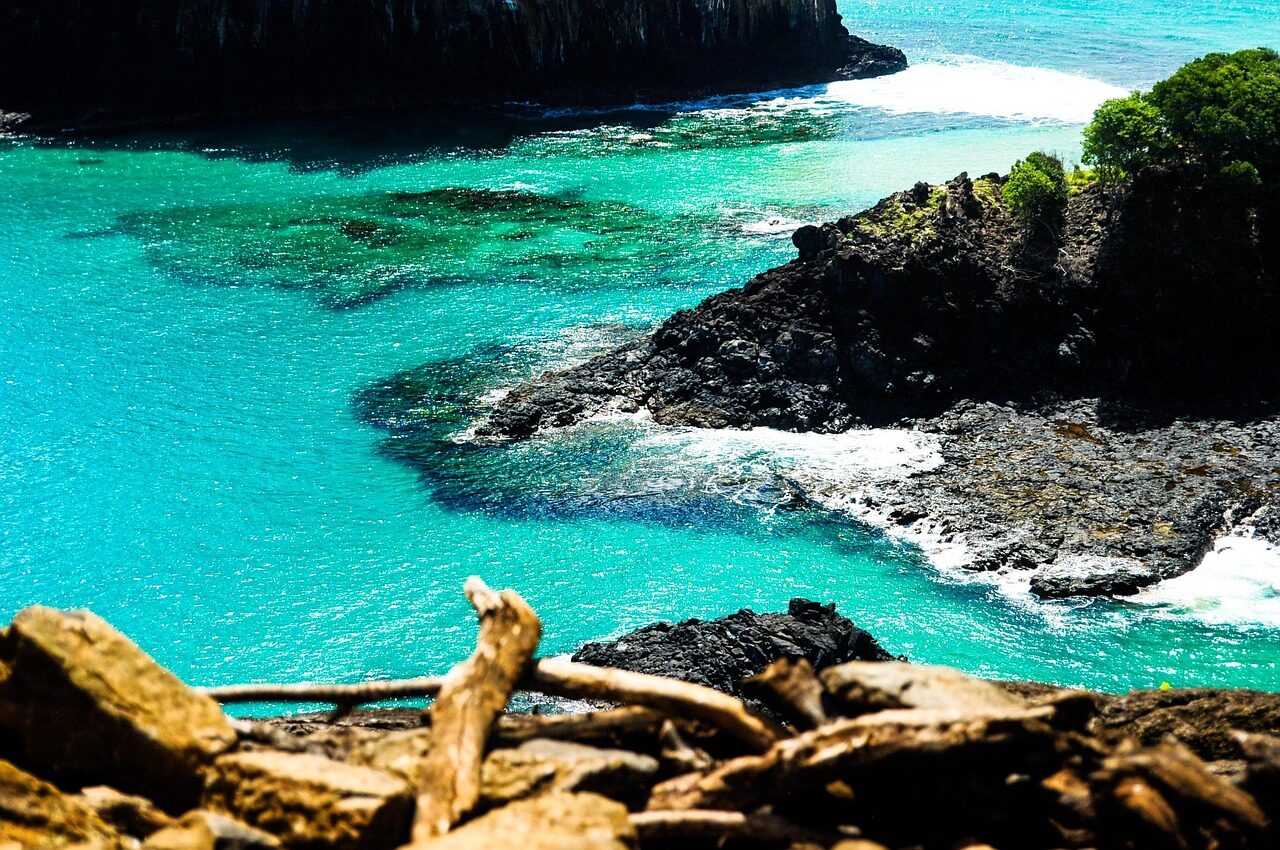

Fernando de Noronha is worth the effort and the money if you want clear water, easy wildlife encounters and beaches with almost no development. It is not a party island or a budget stop. It is a small, strictly managed archipelago in the Atlantic, and it rewards people who like snorkeling, walking and quiet evenings.
Plan on three to five nights. Two nights is rushed once you factor in flight timing, and a week is more than most visitors need unless you dive. This guide covers how to get there, the fees and rules, when to go, where to stay and how to spend your days.
Getting to Fernando de Noronha
You arrive by plane. The island sits well off the northeast coast and belongs to the state of Pernambuco, and scheduled flights run mainly from Recife and Natal. Flight time from either city is roughly an hour, and some other Brazilian cities have seasonal or connecting options that change with airline schedules. Check current routes before you commit to dates. For the broader picture of domestic flights and baggage habits, see our guide to getting around Brazil.
Because the planes are small and the island limits visitor numbers, seats sell out well ahead of holidays. Book the flight and your lodging together, and keep the booking confirmation handy. Expect to be asked where you are staying when you land.
Fernando de Noronha is domestic travel, so there is no separate immigration step. The rules for reaching Brazil in the first place do depend on your passport. US citizens should read our page on Brazil visa requirements for US citizens, and UK and EU travelers should check Brazil entry requirements for EU and UK travelers. Carry your passport on the island, since you will need ID at check-in and at some park entrances.
Fees, Permits and Island Rules
Two separate charges catch first-timers off guard. The island administration collects an environmental preservation fee, charged per day of stay, and the daily amount rises the longer you stay. Separately, the marine national park requires its own ticket, which covers a set number of days and is checked at park entrances. Amounts change, so confirm both on the official island and park channels and avoid third-party sellers who add markups.
The rules are strict, and they are the reason the water looks the way it does.
- Do not touch, chase or feed turtles, fish or dolphins.
- Use mineral or reef-safe sunscreen, and apply it well before getting in the water.
- Stay on marked trails and do not take shells, coral or sand.
- Fresh water is limited, so keep showers short.
Some popular spots, including the tide pools at Atalaia, have visitor caps and timed entry, and reservations are often needed in advance. Arrange these on your first day or through your pousada, because slots go quickly in high season.
When to Go to Fernando de Noronha
The island is warm all year. What changes is rain, water clarity and swell. Generally the drier months bring calmer skies and better visibility for snorkeling and diving, while the rainy months bring showers, often brief, and lower prices. For the mainland picture, our best time to visit Brazil guide has a month-by-month view.
| Season | Typical conditions | Good for |
|---|---|---|
| Roughly August to January | Drier, sunny, generally clearer water | Snorkeling, diving, boat trips |
| Roughly February to July | More frequent rain, greener landscape, fewer crowds | Lower prices, hiking, quieter beaches |
| Year-end, Carnival, July school break | Peak demand across the board | Only if you book far ahead |
The island has a north-facing coast and a south-facing one, and they react differently to ocean swells. When one side is rough and unsafe for swimming, the other is usually calm. That is why you plan beaches by conditions, and ask your pousada host each morning which coast is working.
Where to Stay
Nearly all accommodation is in small pousadas, which are family-run guesthouses and inns. The island limits how many visitors and beds it allows, so there are no big resorts, and prices reflect the scarcity. Everything from food to building materials is shipped in, which is also why the island ranks among the more expensive places in Brazil. Our Brazil trip cost guide helps you place it against the rest of your itinerary.
There are three practical areas to base yourself.
- Vila dos Remédios: the main village, with restaurants, shops, the old fort and the closest thing to nightlife. Good if you want to walk to dinner.
- Floresta Velha and Vila do Trinta: quieter, residential, a short drive from the village. Often better value.
- Near Boldró and Conceição: closer to some of the best sunsets and beaches, but you will rely more on a buggy or taxi.
Ask whether breakfast, transfers and a basic island map are included. A good host is worth more here than a pool, because they know the tide, the swell and which beach will be empty.
The Best Beaches in Fernando de Noronha
The island regularly shows up on lists of the finest beaches in the world, and it deserves a place in our broader roundup of the best beaches in Brazil. The beaches here are small, steep-sided and framed by volcanic rock, so each feels like its own cove.
Baía do Sancho
This is the one most people have seen in photos. It sits below high cliffs, and the walk down includes a steep rock staircase and a short ladder squeezed through a crevice. It is manageable for most people with decent shoes, but not for anyone with serious mobility limits. Go early, when the light is soft and few people are there.
Baía dos Porcos
Tide pools form between rocks beside the twin Dois Irmãos stacks, and snorkeling in them is calm and easy when the tide cooperates. It is a good first-day swim, and families with older kids like it. Check tide times, since access can be tricky when the water is high.
Praia do Leão and Sueste
On the south coast, Praia do Leão is wide, wild and better for watching than for swimming when the surf is up. Sueste, with its sheltered reef and mangrove edge, is a reliable place to spot turtles from the shallows.
Cacimba do Padre and the surf beaches
Cacimba do Padre faces the twin peaks of Dois Irmãos and draws surfers when northern swells arrive. In the calm months it is simply a pretty beach. If you do not surf, watch from the sand.
Boldró, Conceição and Atalaia
Boldró and Conceição are easy, walkable beaches near the village side of the island, handy for a short swim and a drink. Atalaia is the island’s best-known natural pool, where small fish crowd the rocks, but it is controlled by visitor limits and brief time slots. Book ahead and follow the guide’s instructions exactly.
Snorkeling, Diving and Dolphins
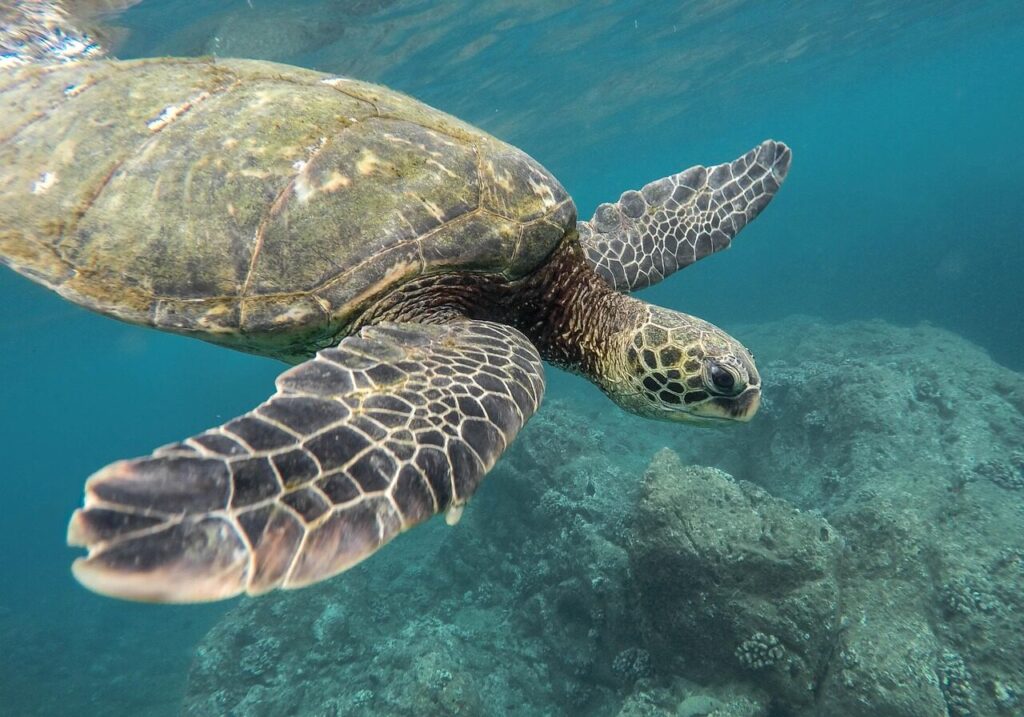
The water is the main attraction. Snorkeling from the beach is rewarding at several spots, with green turtles, rays, reef fish and the occasional small shark that tends to ignore swimmers. Fins are useful for the currents, and a rash vest saves you from sunburn on long swims.
Scuba diving here is considered among the best in Brazil, with drop-offs, a shipwreck and clear visibility in the better months. Dive operators are small and certified, and you should book at least a few days before arrival in high season. Beginners can do a supervised introductory dive, but you must follow the briefings closely given the strong currents at some sites.
Baía dos Golfinhos is where spinner dolphins gather in the morning to rest. You cannot swim there. Visitors watch from a lookout above the bay, and the rule exists to protect the animals. Boat tours around the sheltered north coast also pass the bay at a respectful distance and often include a stop for snorkeling.
Hiking and Viewpoints
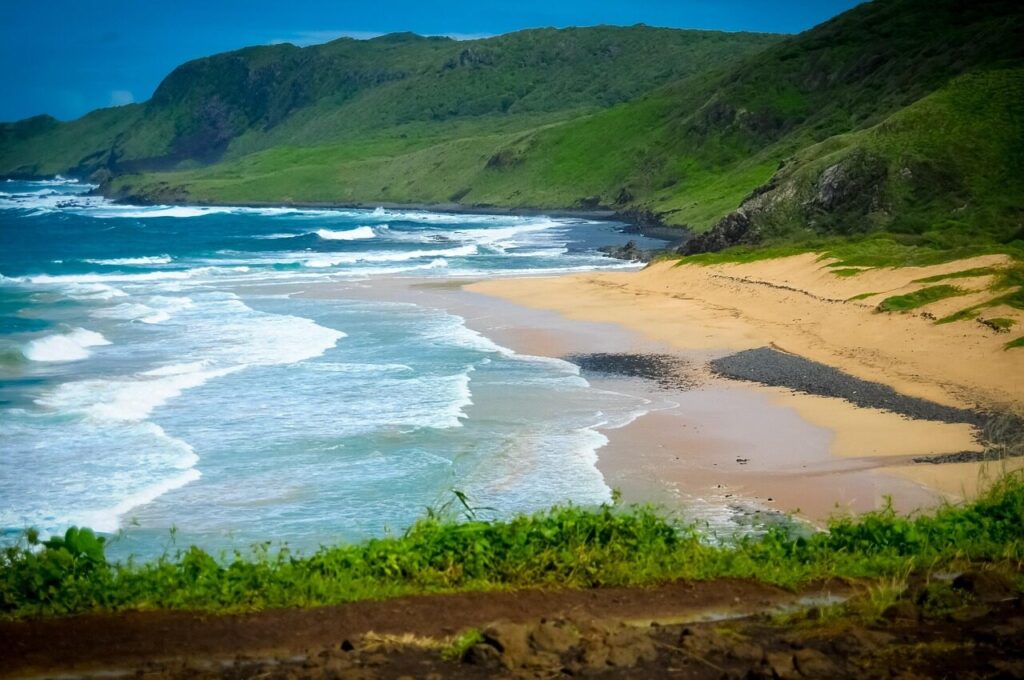
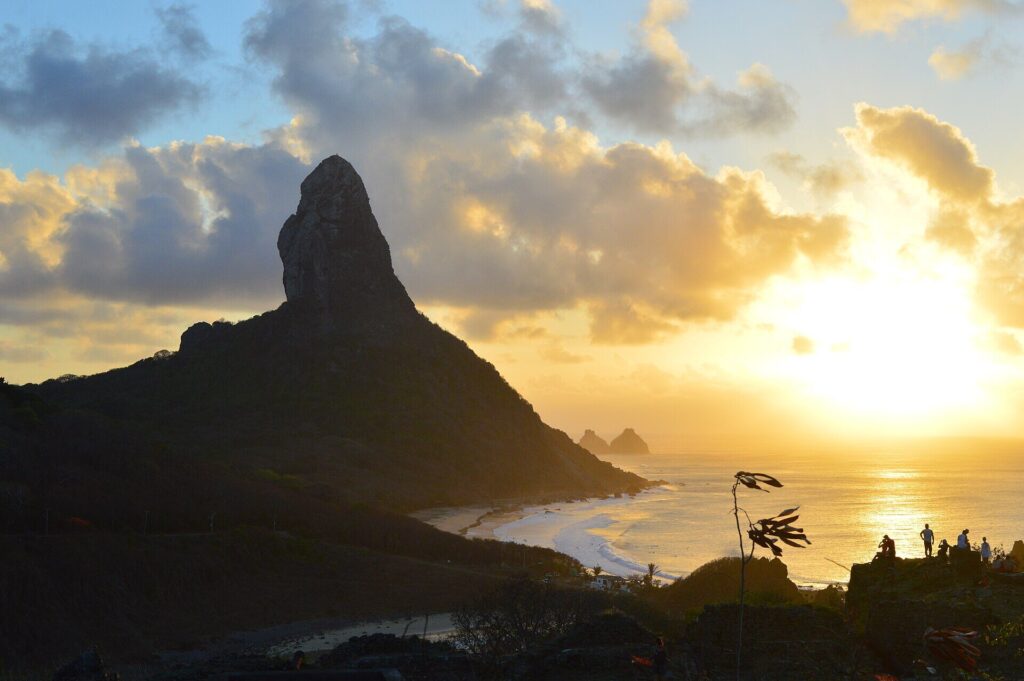
The island’s skyline is dominated by Morro do Pico, a steep volcanic peak that you will see from almost everywhere. It works as a landmark, and it is a useful way to get your bearings. Trails across the national park cover the coast and connect beaches such as Sancho and Atalaia. Some trails need guides or advance permission, so ask at the park office or through your pousada.
Viewpoints are easier and still excellent. The old Forte dos Remédios area looks out over the coast, and the stretch near Boldró is a favorite for sunset. Bring water, a hat and shoes with grip, because the volcanic rock is sharp and slippery. The Projeto Tamar visitor center in the village explains the sea turtle conservation work on the island and is worth an hour on a rainy afternoon.
Getting Around the Island
One main road runs along the spine of the island, and most sights are a short ride from it. You have four practical options.
- Buggy rental: the classic choice, flexible and fun. Roads are narrow and busy in high season, so drive slowly and park only where permitted.
- Public bus: a simple, inexpensive shuttle along the main road. Good as a backup, but schedules limit late evenings.
- Taxi: straightforward for short distances, particularly after dinner.
- Organized tours: convenient for boat trips and for the beaches that require guides or timed entry.
Many visitors combine a buggy for two days with taxis or the bus for the rest. Check your license requirements with the rental company before you book, since policies vary by provider.
What and Where to Eat

Seafood is the focus, from grilled fish to moqueca, the coconut-based stew, and the Northeast staples you will see across the region, including tapioca crepes and fried fish bites. Prices are higher than on the mainland, and portions are often big enough to share. If you want the wider context for what you are eating, our list of traditional Brazilian dishes is a good companion.
Most restaurants cluster in Vila dos Remédios, with a few simpler beach bars elsewhere. Reserve dinner during peak periods, and ask about vegetarian options early, since the menu leans heavily on fish. Beach bars are the place for a caipirinha at sunset, and our caipirinha guide explains what a well-made one should taste like.
A Sample Four-Day Itinerary
This plan assumes a morning arrival and an afternoon departure on day four. Adjust the order to the swell and to whatever timed entries you manage to book.
- Day 1: Check in, pay the required fees, and walk the village and its fort. Swim at a nearby beach such as Conceição or Boldró, and watch the sunset from the coast.
- Day 2: Go to Baía do Sancho early, then spend the afternoon at the Baía dos Porcos tide pools. Eat dinner in the village.
- Day 3: Take a boat tour or a dive in the morning. In the afternoon, go to the Golfinhos lookout and Sueste, or Atalaia if you reserved a slot.
- Day 4: Do one more easy swim, visit the Tamar center if you have not, and leave plenty of time for the airport.
If you have an extra day, use it for a longer hike, a second dive, or simply nothing. The island is designed for lingering.
Planning Your Visit
Book flights and lodging first, since both limit your dates. Then reserve any timed activities, such as Atalaia, diving and boat trips, as early as the providers allow.
Money and connectivity work differently here. Card machines are common, but ATMs are few and sometimes empty, so carry a modest cash reserve in reais. Our guide to money in Brazil covers cards and exchange basics. Mobile data and Wi-Fi are slower than on the mainland, so download maps and confirmations before you fly.
Pack light, breathable clothing, a rash guard, reef-safe sunscreen, a refillable water bottle and sandals plus closed shoes for rocky trails. Bring any prescription medication you need, because pharmacy options on the island are limited. Check the health guidance for your itinerary in our page on vaccines for Brazil.
Frequently Asked Questions
How many days do you need in Fernando de Noronha?
Three to five nights suits most visitors. That gives enough time for the main beaches, a boat trip, one reserved activity and a buffer for weather or swell. Divers and hikers may want a few extra days, but a week is long for casual travelers.
Is Fernando de Noronha safe?
Crime is low and the island is considered very safe. The real risks are sunburn, strong currents, rough surf on the exposed coast and slippery volcanic rock. Follow lifeguard and guide instructions, swim where conditions are calm, and do not drive a rental buggy fast on the narrow roads.
Can you visit Fernando de Noronha as a day trip?
No. Flights are limited and the island controls access through fees and accommodation, so a day trip is not realistic. Plan at least two nights, and ideally more, to make the flight cost and the environmental fees worthwhile.
Is it better to go in the dry or rainy season?
The drier months generally offer clearer water and steadier weather, so they suit snorkeling and diving best. The rainy months are greener, quieter and often cheaper, and showers are usually short. Both work, but dry season needs earlier booking.
Do I need a car on Fernando de Noronha?
Not strictly. A buggy gives freedom, but buses, taxis and organized tours cover the main sights. Many visitors rent a buggy for a day or two and use other options the rest of the time, especially for dinners when they would rather not drive.
Can you swim with dolphins on Fernando de Noronha?
No. Baía dos Golfinhos is closed to swimming to protect the resting spinner dolphins, and you watch from a lookout. Boat tours may pass dolphins in open water, but operators must keep distance and visitors should never chase or touch the animals.