
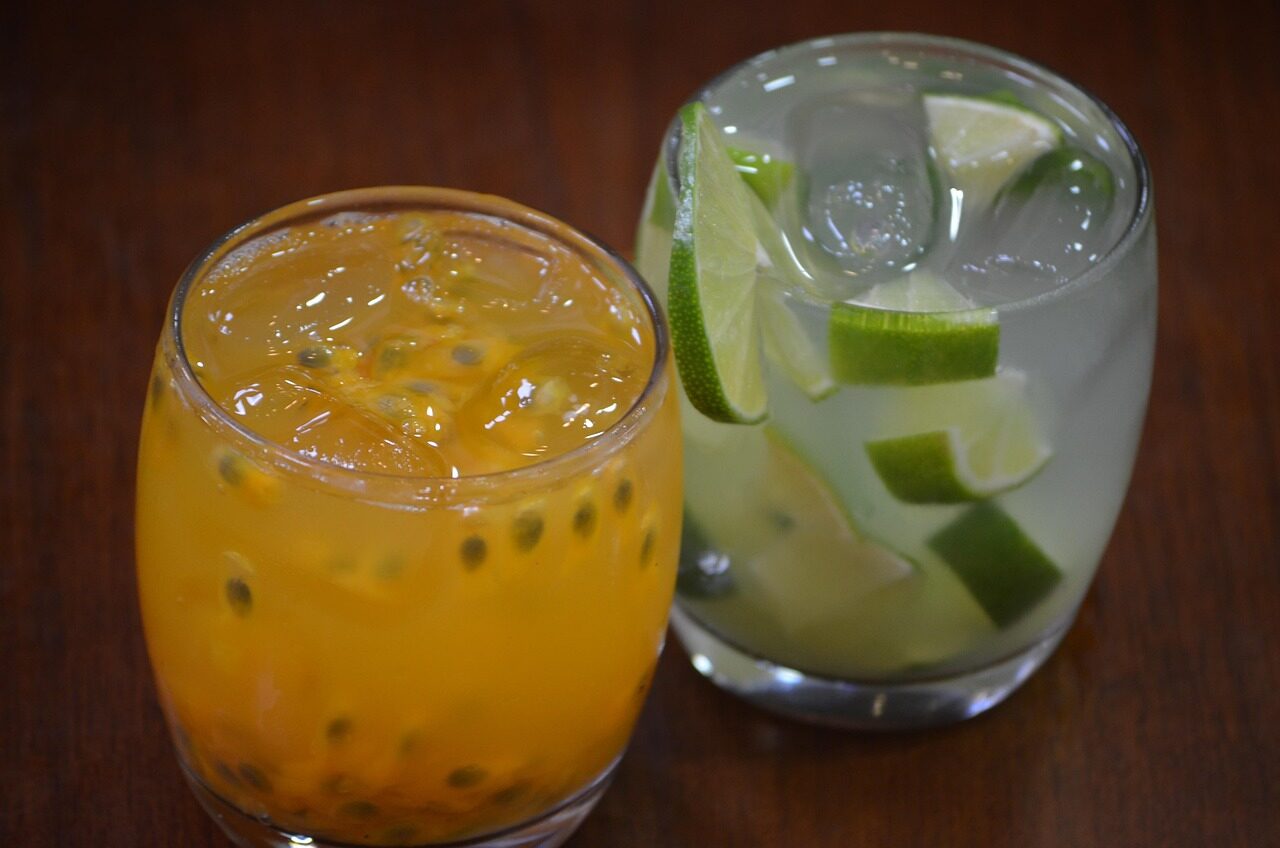

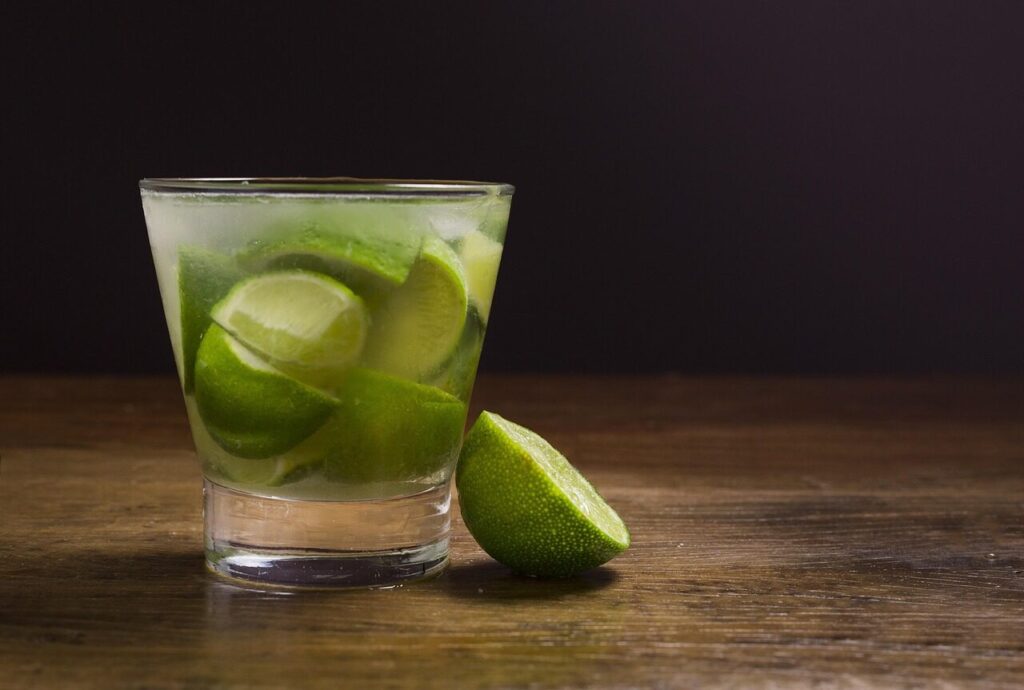
A caipirinha is Brazil’s national cocktail, made with just four ingredients: cachaça (a spirit distilled from fresh sugarcane juice), lime, sugar and ice. It is served in a short glass, shaken or stirred, and it tastes like a sharp, sweet, cold limeade with a grassy kick. Once you know what to look for, it is also one of the easiest drinks to make well at home.
In Brazil, the best caipirinhas come from neighborhood bars, specialist cachaça bars and distillery towns, not necessarily from the glossiest hotel lounge. Below you will find the history, a recipe that works with ingredients from a US or European supermarket, the main variations, and a practical guide to ordering one.
What Makes a Caipirinha Different From Other Lime Cocktails
The base spirit is the whole point. Cachaça is not rum and not vodka, and swapping it out gives you a different drink with a different name. The lime is also specific: Brazilians use a thin-skinned, juicy lime called limão taiti, which is the same variety sold in most US and European supermarkets as a Persian or Tahiti lime.
The preparation is the other signature. The lime is cut into pieces and pressed in the glass with sugar, so the juice and a little of the peel oil go into the drink. Nothing is strained out. You drink it with the pulp and ice, which is why it looks rustic compared with a polished sour.
Brazilian regulations treat the caipirinha as a typical Brazilian drink made with cachaça, lime and sugar. That fits how the country thinks of it: not a trend, but a fixed reference point.
The History of the Caipirinha
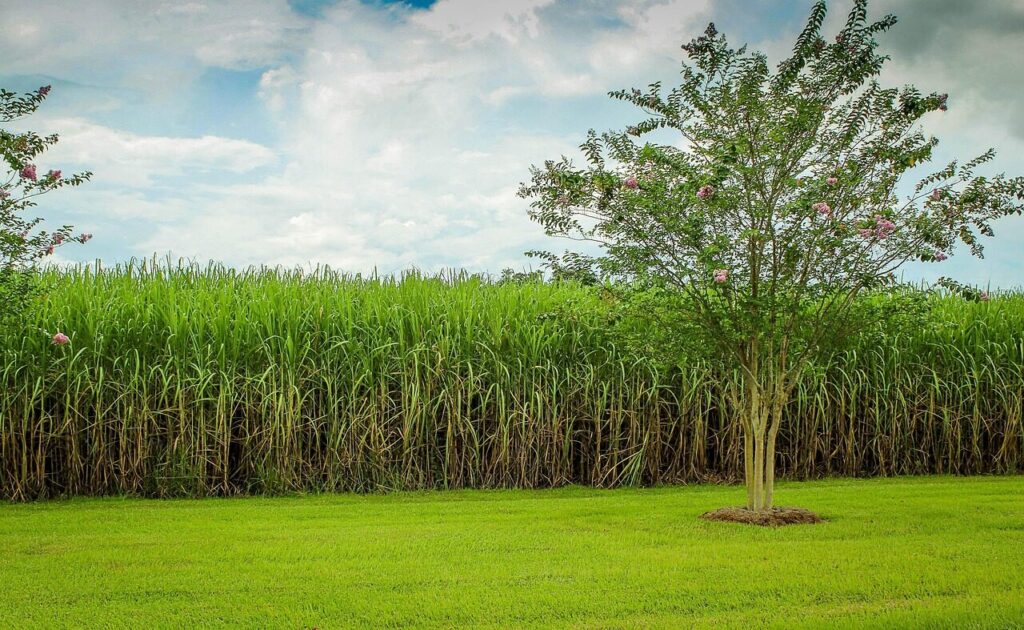
The story starts with cachaça, which is much older than the cocktail. Sugarcane arrived with Portuguese colonizers in the 1500s, and sugar mills across the colony began producing a spirit from fermented cane juice. For centuries cachaça was an everyday drink, associated with plantation work and the working classes long before it became a source of national pride.
The caipirinha itself has no single documented birthday. The most repeated account places it in the interior of São Paulo state in the early twentieth century, where lime, sugar and cachaça were mixed as a home remedy for colds. Another version links it to the 1918 influenza pandemic, with garlic and honey in early recipes. Treat these as plausible folklore rather than established fact.
What is clear is the logic of the name. Caipira refers to a person from the countryside, especially in the interior of São Paulo and neighboring states, and -inha is an affectionate diminutive. The name roughly means “little country girl.” The drink as we know it, cold and iced, spread as refrigeration and commercial ice became common in Brazilian towns and cities.
By the second half of the twentieth century the caipirinha was a fixture in Rio’s bars and beach kiosks, and it later became one of Brazil’s best-known exports. It now appears on cocktail menus worldwide, often made with the wrong spirit, which is one reason to try the original at home.
Cachaça: The Spirit Behind the Drink
Cachaça is distilled from fermented fresh sugarcane juice. Most rum is made from molasses, a by-product of sugar refining. That difference gives cachaça its grassy, slightly funky, vegetal character. If you want a point of comparison, French-style agricultural rum is the nearest relative.
Under Brazilian rules, cachaça is bottled between 38 and 48 percent alcohol by volume. It is made all over the country, and a few regions have a particular reputation. Minas Gerais, especially around the town of Salinas, is known for small artisanal producers. Paraty, on the coast of Rio de Janeiro state, has a long distilling tradition, and the cachaça shelf in any Brazilian supermarket is very long.
Unaged vs. aged cachaça
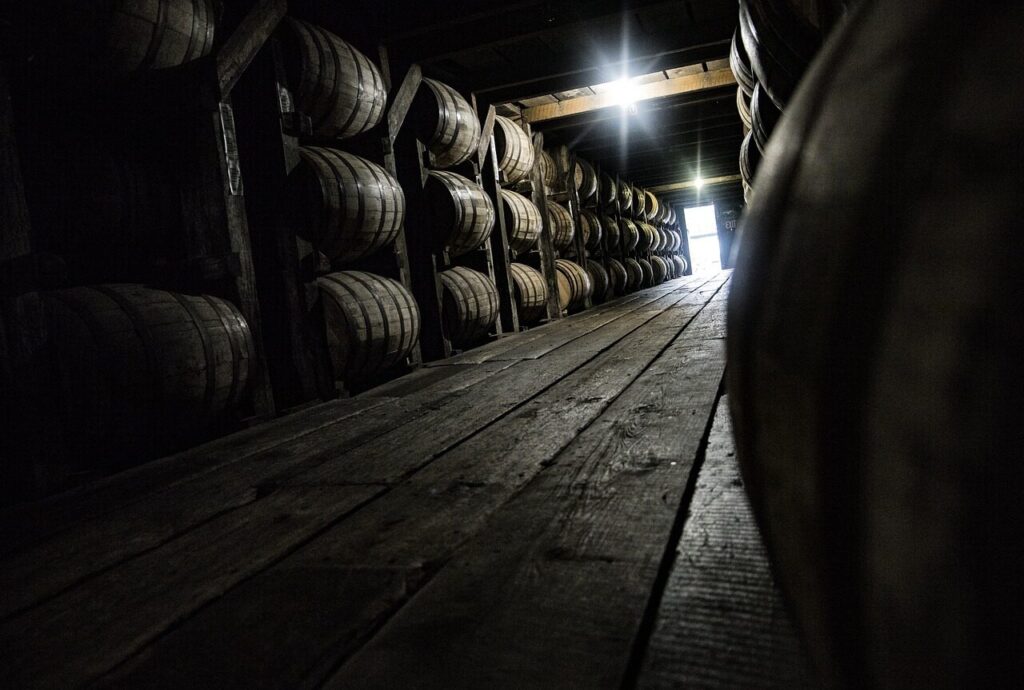
Unaged cachaça, labeled branca or prata, is clear, sharp and best for caipirinhas. Aged cachaça, labeled envelhecida or ouro, rests in wood and picks up amber color and softer, spicier flavors. Brazilian producers use native woods such as amburana as well as oak. Aged bottles are typically sipped neat. Some bartenders use them in cocktails, but the classic caipirinha uses a clean, unaged style.
Industrial vs. artisanal
Large brands produce most of the cachaça sold in Brazil, usually in column stills. Smaller producers use pot stills, called alambiques, and the word artesanal or de alambique on a label signals that approach. Neither is automatically better in a caipirinha, but artisanal bottles tend to taste rounder and more distinctive.
Everyday brands you will see across Brazil include Ypióca, 51, Velho Barreiro and Pitu. Sagatiba and Leblon are widely exported, which makes them easy to find in the US and Europe.
How to Make a Caipirinha at Home
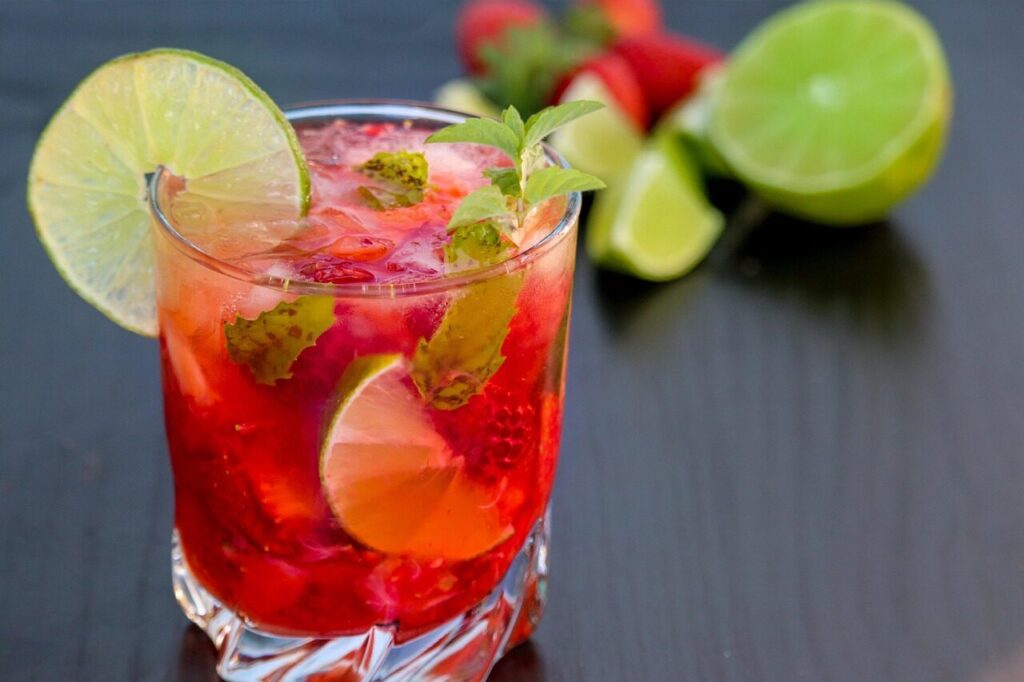
This is a straightforward single-serving recipe. Use an old-fashioned (rocks) glass and a sturdy muddler or the handle of a wooden spoon.
- 1 lime, ideally a Persian or Tahiti lime with thin skin
- 2 teaspoons of sugar, plus a little more if your limes are very tart
- About 2 ounces (60 ml) of unaged cachaça
- Plenty of ice, cubed or lightly crushed
- Cut off both ends of the lime, then cut it in half lengthwise.
- Slice out the pale, bitter core running down the center of each half, then cut each half into three or four pieces.
- Put the lime and sugar in the glass and press with the muddler about five or six times. You want juice, not pulp pulverized to paste.
- Add the cachaça and stir to dissolve the sugar.
- Fill the glass with ice and stir again. Taste and adjust with a pinch more sugar or a squeeze of lime.
Common mistakes
Over-muddling is the big one. Grinding the peel releases bitter oils from the white pith, and the drink tastes harsh no matter how much sugar you add. Press and twist gently.
Another mistake is using the wrong lime. Key limes are smaller, seedier and more acidic, so they usually need more sugar and more effort. Lemons make a different drink entirely, though some Brazilians do call a lime a limão, so the word on a menu can mislead if you are translating.
Finally, dissolve the sugar before adding ice. Granulated sugar clumps at the bottom of a cold glass, so stir it into the juice and spirit first. Superfine sugar dissolves faster, and demerara gives a slightly deeper flavor.
Caipirinha Variations and Related Drinks
Brazilian bars treat the caipirinha as a template. The ratio of spirit, fruit and sugar stays the same, and the ingredients change. Fruit versions are everywhere, especially passion fruit (maracujá), strawberry, pineapple with mint, kiwi and cashew fruit (caju) in the northeast. The table below covers the drinks you will see on menus.
| Drink | What is in it | Notes |
|---|---|---|
| Caipirinha | Cachaça, lime, sugar, ice | The original and the standard order |
| Caipiroska | Vodka in place of cachaça | Cleaner and less distinctive in flavor |
| Caipiríssima | White rum in place of cachaça | Sweeter, closer to a mojito without the mint |
| Sakerinha | Sake in place of cachaça | Popular in São Paulo, which has a large Japanese-Brazilian community |
| Fruit caipirinha | Cachaça, sugar, muddled fruit, often with some lime | Passion fruit and strawberry are the most common |
| Batida | Cachaça blended or shaken with fruit juice, often with condensed milk | Creamier and sweeter, and easy to drink too fast |
| Rabo-de-galo | Cachaça and vermouth, sometimes with a bitter aperitif | An old-school bar drink, usually served short |
| Quentão | Hot cachaça with ginger, cinnamon and sugar | Associated with the June festival season, not with beach weather |
Fruit versions can hide the alcohol, and some places use syrup or pulp instead of fresh fruit. If the menu says fruta da estação, ask what is in season, because that usually means the best flavor.
Where to Drink a Caipirinha in Brazil
The right setting depends on what you want from the drink. The ranking below is by character, not by price, and prices are typically higher at beachfront and rooftop venues than at neighborhood bars.
Neighborhood botecos
A boteco is a casual corner bar with plastic or wooden chairs, a short menu of snacks and a cooler of beer. Caipirinhas here are usually unfussy and made with a common brand. They are also the best place to see how locals drink, which often means beer first and a caipirinha second. For what to eat alongside, see our guide to traditional Brazilian food.
Beach kiosks
Rio’s beaches are lined with kiosks that serve caipirinhas, coconut water and snacks. The drinks are cold and sweet, the setting is the draw, and quality varies. They are best enjoyed at sunset rather than judged as serious cocktails. Our comparison of Copacabana and Ipanema will help you pick the stretch of sand that suits you.
Cachaçarias and cocktail bars
Specialist bars in Rio, São Paulo and Belo Horizonte stock dozens of bottles and can explain the differences between regions and wood types. This is the place to order a caipirinha made with an artisanal bottle, or to taste a few aged cachaças neat. São Paulo, in particular, has a deep bar scene, and our guide to things to do in São Paulo covers the neighborhoods worth building an evening around.
Distillery towns
If cachaça interests you more than the cocktail, plan a visit to a producing region. Paraty has working distilleries near town that offer tours and tastings, and the area around Salinas in Minas Gerais is more remote but known for craft producers. Opening hours and tour formats vary, so check locally before you go, and arrange a driver rather than driving yourself.
Salvador and the northeast
In Bahia and across the northeast, tropical fruit makes the list of caipirinha options longer, and cashew fruit and passion fruit show up often. Salvador’s seafront bars and its nightlife are covered in our Salvador da Bahia travel guide.
Pairing with food
A caipirinha is the traditional companion to feijoada, since the lime cuts through the richness of the pork and black beans. It also works with fried snacks such as pastéis and coxinhas. With grilled meat, many Brazilians choose beer, though a caipirinha is common at weekend barbecues.
How to Order and What to Expect
You do not need fluent Portuguese, but a few phrases make a better drink more likely. Staff in tourist areas speak some English, though in local bars a short phrase goes a long way.
| Portuguese | Meaning |
|---|---|
| Uma caipirinha de limão, por favor. | One lime caipirinha, please. |
| Com pouco açúcar. | With little sugar. |
| Qual cachaça vocês usam? | Which cachaça do you use? |
| Tem cachaça artesanal? | Do you have artisanal cachaça? |
| A saideira, por favor. | The last round, please. |
Most places make a caipirinha sweeter than a home recipe, so asking for less sugar is reasonable. If a bar will not tell you which cachaça it pours, assume it is a low-cost house brand. That is not necessarily bad, but it is useful to know.
Expect the drink to arrive in a tall or short glass, usually with a straw and often with crushed ice. Stir it before you drink, because the sugar and juice settle at the bottom.
Drinking Safely and Legally
The legal drinking age in Brazil is 18. Brazil’s drink-driving rules are strict and effectively zero tolerance, so take a taxi or ride-hailing car after drinking. Drinking in public is generally tolerated on beaches and at street parties, but follow local signs and the lead of those around you.
A caipirinha tastes light, but cachaça is a full-strength spirit and the sugar makes it easy to drink fast. Add heat and sun, and it hits harder than you expect. Alternate with water, especially on the beach.
In nightlife areas, watch your glass and avoid accepting drinks from strangers, as you would anywhere. Stick to licensed bars and restaurants and avoid unlabeled bottles. Our guide on staying safe in Brazil covers broader precautions. Whether the ice is a concern depends on your stomach. Most travelers drink iced drinks in established bars without trouble, while roadside stalls are more of a judgment call.
Bringing Cachaça Home
Cachaça is easy to find in liquor stores in the US, the UK and the EU, so you do not need to carry a bottle home. Craft and aged bottles from small producers are the exception, and they are worth buying in Brazil if you find one you like.
Duty-free allowances for spirits differ among the US, the UK and EU countries, and they change. As a rough guide, the allowance for adults is usually about one liter of spirits, but check the current rules with your customs authority before you travel. US travelers must also be at least 21 to claim an alcohol allowance. Wrap bottles in clothing and pack them in checked luggage, because carry-on liquid limits apply in both directions.
Planning Your Visit
You will not have trouble finding a caipirinha anywhere in Brazil, so the useful question is which setting suits the moment. A reasonable plan for a typical trip is one boteco, one beach sunset and one specialist bar. If you are visiting a distillery region, give it a half day on its own.
Smaller kiosks sometimes prefer cash, so carry some Brazilian reais. Alcohol is a small part of most trip budgets, but beachfront venues can make it a larger one, so compare prices before ordering a round for a group. Drink a caipirinha slowly, with food, and it will make a good first impression of Brazil’s national spirit.
Frequently Asked Questions
Is a caipirinha strong?
It is about as strong as a typical spirit-based cocktail, because cachaça is bottled at 38 to 48 percent alcohol. The lime and sugar mask the strength, and the crushed ice melts into the glass. Bars sometimes pour generously, so pace yourself in hot weather, particularly on the beach.
Can I make a caipirinha with rum or vodka instead?
You can, but the drink then has a different name. With vodka it is a caipiroska, and with white rum it is a caipiríssima. Both are common in Brazil. If you want the flavor people mean when they say caipirinha, use unaged cachaça.
Is the caipirinha the national drink of Brazil?
It is generally called the national cocktail, while cachaça is the national spirit. Brazilians drink far more beer day to day, so the caipirinha is more of a symbol and a weekend or holiday order than a daily habit.
Which lime is best for a caipirinha?
Use a thin-skinned Persian or Tahiti lime, the standard type in Brazil and in most supermarkets in the US and Europe. Key limes are more acidic and seedier, so they need extra sugar. Remove the pale core of each lime before muddling to avoid bitterness.
Can I buy good cachaça outside Brazil?
Yes. Cachaça is sold in liquor stores and online in the US, the UK and across Europe, and several export brands are widely available. Small artisanal bottles are harder to find, so buy those in Brazil if you want them, and check your customs allowance first.