
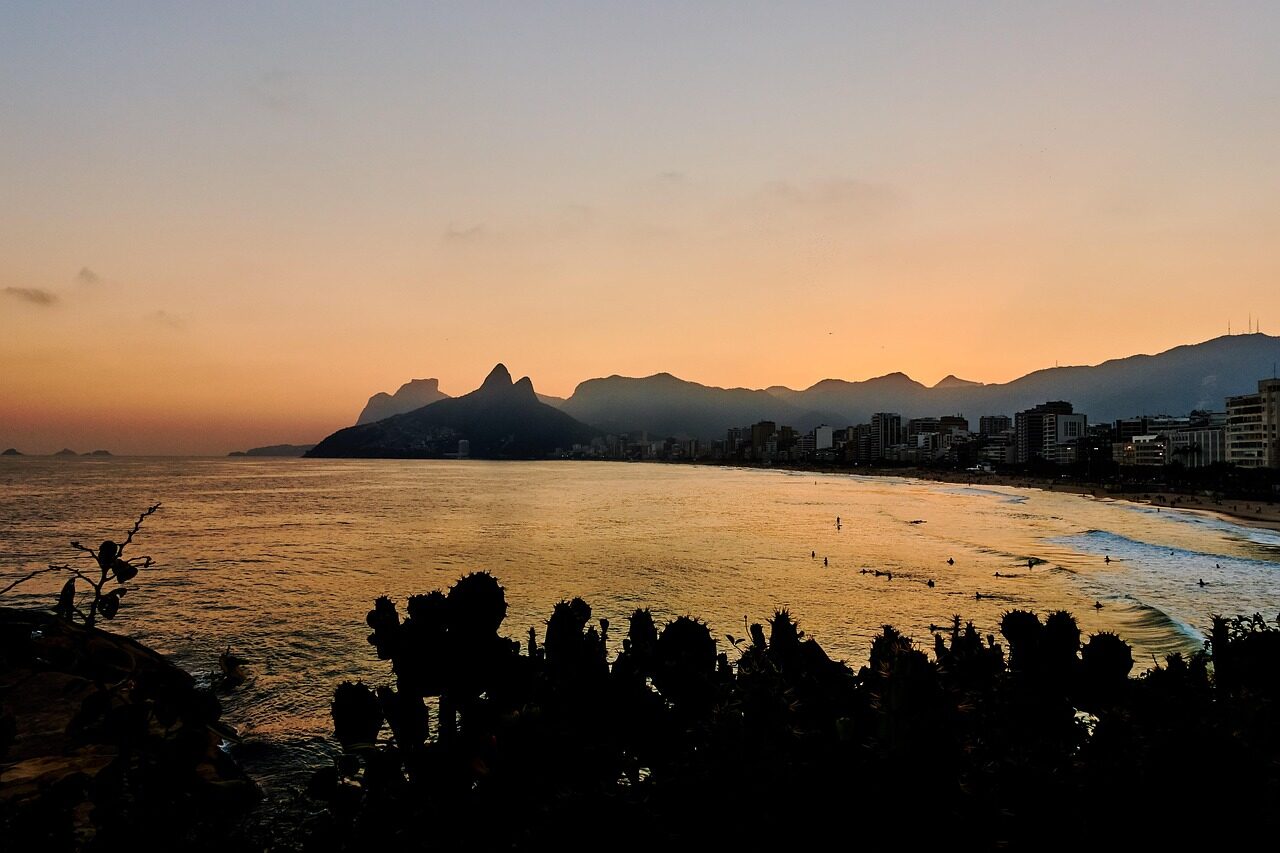

If you only have time for one city and want the Brazil you have seen in photos, choose Rio de Janeiro. If your priorities are restaurants, museums, live music and a feel for how Brazilians actually live and work, choose São Paulo. That is the short answer to rio vs sao paulo.
The longer answer is that the two cities are so different they barely feel like the same country. Rio is a resort city built around mountains and sea. São Paulo is a vast, concrete, endlessly layered metropolis that rewards curiosity. With five days or more, doing both is easy and worthwhile.
Rio vs Sao Paulo at a Glance
This table sums up how the two cities compare. The sections below explain the reasoning.
| Category | Rio de Janeiro | São Paulo |
|---|---|---|
| Main appeal | Scenery, beaches, outdoor life | Food, art, nightlife, urban energy |
| Best for | First-time visitors, short trips, couples, hikers | Food lovers, culture seekers, repeat visitors, business travelers |
| Weather | Hot and humid in summer, mild and sunny in winter | Cooler overall, changeable, often drizzly |
| Getting around | Compact core, metro plus ride apps | Huge, with a good metro but heavy traffic |
| Pace | Outdoors, relaxed, weather-driven | Indoors and on foot, scheduled, always something on |
| Typical stay | 3–5 days | 2–4 days |
Landscape and First Impressions
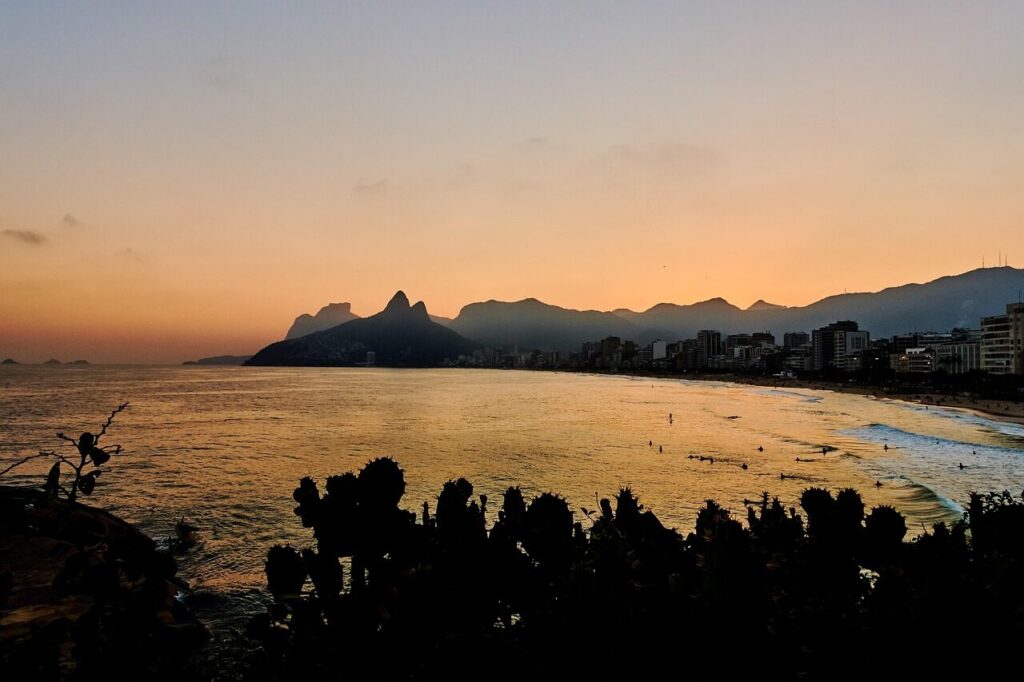
Rio is one of the most dramatic urban settings anywhere. Granite peaks drop straight into the ocean, forest climbs the hillsides, and the beaches run through the middle of the city instead of sitting on its edge. You can swim in the morning, hike to a viewpoint at lunch and be back on the sand for sunset.
Most of the headline sights are about views and nature: Christ the Redeemer, Sugarloaf, the rainforest of Tijuca National Park, the lagoon and the botanical garden. Our guides to the best things to do in Rio de Janeiro cover them in detail. A large part of the appeal is simply being outside, and that has a downside. A cloudy or rainy day can wipe out the main attractions.
São Paulo has no beach and no postcard mountain. What it has is scale. It is the largest city in Brazil, and the skyline goes on in every direction.
First-time visitors are sometimes disappointed by that, and it is fair to say São Paulo takes more effort to appreciate. You do not arrive and gasp. You find it neighborhood by neighborhood: tree-lined Jardins, bohemian Vila Madalena, the Japanese-influenced streets of Liberdade, the 1960s modernist towers downtown.
If your photos-and-views checklist matters most, Rio wins by a wide margin. If you find cities interesting on their own terms, São Paulo is a bigger and stranger place than most visitors expect.
Food: Where You Will Eat Better
Both cities eat very well, but they do it differently. Rio’s food culture is casual and neighborhood-based. You eat at corner botecos (informal bars) with fried snacks and cold draft beer, grab fresh juice and açaí at a counter, and order a plate of the day for lunch at a por quilo restaurant where you pay by weight. Feijoada, the black bean and pork stew, is a traditional weekend meal and many restaurants serve it on Saturdays.
São Paulo is where Brazilian chefs and immigrant communities meet at serious scale. The city has large Italian, Japanese, Lebanese and Portuguese influences, and each shows up in everyday eating. Pizza is a local obsession, there are excellent Japanese restaurants well beyond sushi, and the fine-dining scene is the strongest in the country.

For a quick taste, the municipal market downtown is known for its mortadella sandwiches and salt cod pastries. It is touristy, but still a good introduction. The real depth is in the neighborhoods, where small restaurants with a single specialty can be as good as the high-end places.
If food is your main reason to travel, São Paulo has the edge in range and ambition. Rio has more atmosphere, and a long lunch with a view often beats the technically better meal.
Culture and Museums
This is São Paulo’s strongest category. The city has the best collection of museums and cultural venues in Brazil, from the landmark MASP on Avenida Paulista to the Pinacoteca, the Ibirapuera Park museums and a steady calendar of exhibitions, concerts and theater. It is a rainy-day city in the best sense: you will never run out of indoor options.
Avenida Paulista itself is part of the experience. On Sundays it is traditionally closed to cars and opens to walkers, cyclists and street performers. Many museums close on Mondays, so check opening days before you plan a route.
Rio has excellent culture too, but it is more tied to place and history: the colonial center, the Museum of Tomorrow on the waterfront, the hilltop streets of Santa Teresa, the Selarón Steps and the samba tradition. Rio’s greatest cultural export is its music and its festivals, and you feel that most in the city’s public life.
For a Brazilian carnival experience, Rio is the benchmark. We cover tickets, dates and logistics in our Rio Carnival guide, so we will not repeat them here.
São Paulo’s strengths are different: contemporary art, design, architecture, and a very active independent music and club scene.
Nightlife
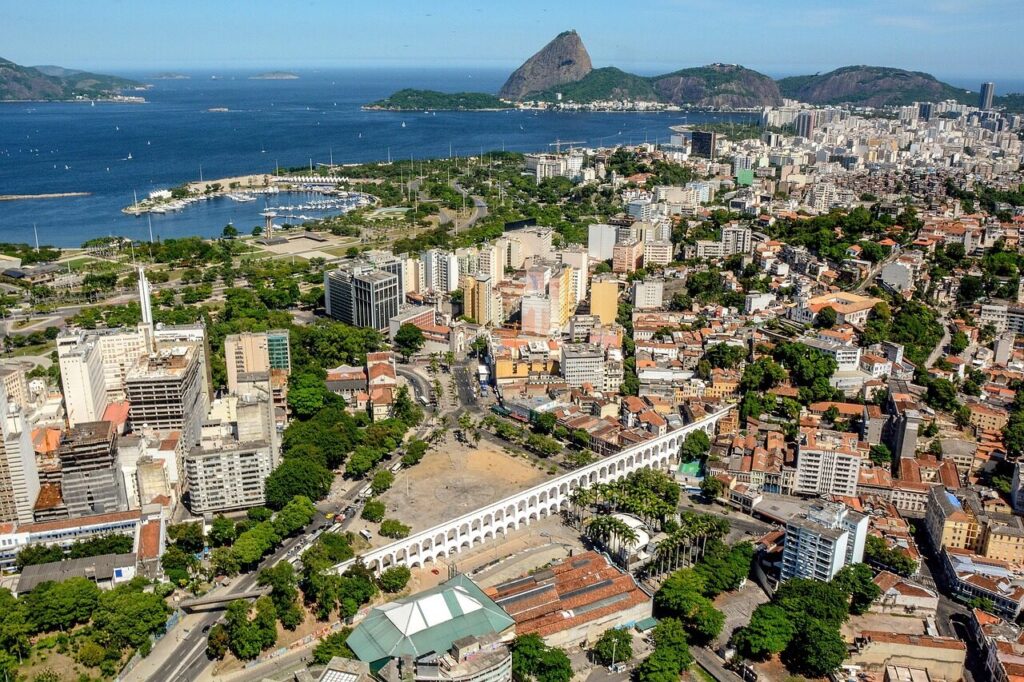
Rio’s nightlife is built around samba, choro and live music. The area around the Lapa Arches has a dense cluster of bars and dance halls, and outdoor samba circles (rodas de samba) are one of the best free ways to spend an evening. The mood is open, social and often outdoors.
São Paulo’s scene is broader and more varied. You can find jazz bars, electronic music clubs, rock venues, gay bars, sertanejo (Brazilian country) halls and late-night restaurants, often within a few blocks of each other. Rua Augusta, Vila Madalena and Pinheiros are good starting points. The city rarely sleeps, and on a weekend night there is almost always something going on late.
If you want a bar crawl with live samba and an easy social atmosphere, Rio is better. If you want choice, from underground clubs to concert halls, São Paulo has more depth.
Safety and Getting Around
Both cities require normal big-city caution, and neither is a reason to stay home. The risks are mostly petty theft, especially phone snatching, and they vary a lot by neighborhood and time of day. In Rio, the main issues are crowded beaches, buses and the area around tourist spots. In São Paulo, the main issues are phones taken on the street and a few downtown areas, such as around Luz station, that are best avoided, particularly after office hours.
We go through the specifics in our neighborhood-by-neighborhood safety guide for Rio. The same basic habits apply in São Paulo: keep your phone out of sight on the street, use ride apps rather than hailing cars at night, and stay in well-used areas.
On getting around, Rio is easier for visitors because most of what you want is concentrated in a few neighborhoods. The metro links Copacabana and Ipanema to the center, and ride apps fill the gaps. Allow extra time on rainy days and at rush hour.
São Paulo is spread over a huge area and traffic can be severe. The metro and commuter trains are clean, efficient and the best way to cover long distances at busy times. Staying near a metro line makes a big difference. Ride apps are widely used and affordable by US and European standards, though prices rise in heavy traffic or rain.
Weather and Best Time
Rio is a warm-weather city. Summer is hot and humid with sudden storms, and winter is mild with clear skies, which often makes it the best time for hiking and viewpoints. The beaches are lively all year, but the swimming-and-sunbathing mood is strongest in the warmer months.
São Paulo sits on a plateau inland, so it is noticeably cooler. Winter evenings can feel properly chilly, and a light jacket is useful for most of the year. Summer brings warm days and heavy afternoon showers, and the city can be gray and drizzly at any time. For a wider seasonal picture across the country, see our month-by-month guide to the best time to visit Brazil.
The practical takeaway: Rio’s value depends heavily on the weather, while São Paulo’s depends much less on it. If your trip dates fall in an uncertain season, building more flexibility into your Rio days makes sense.
Cost and Value
Both cities are among the pricier places in Brazil, but they get expensive in different ways. Rio’s prices rise sharply around New Year’s Eve and Carnival, when hotels fill and minimum stays apply. Beachfront neighborhoods carry a premium year-round.
São Paulo has a more business-driven pattern. Hotels tend to be busiest and most expensive on weekdays, with better rates on weekends, though large trade fairs and events can push prices up at any time. Restaurants span the full range, from very cheap to very expensive.
Neither is a bargain destination in the way some Brazilian cities are, but exchange rates have a big influence on what feels good value to US, UK and EU travelers, and they change. For general budgeting, see our guide on how much a trip to Brazil costs.
Which City Is Right for You?
Choose Rio de Janeiro if…
- It is your first trip to Brazil and you have a week or less.
- You want beaches, mountains and views in the same itinerary.
- You prefer outdoor activities such as hiking, swimming and sunset spots.
- You are traveling as a couple, or on a honeymoon or celebration trip.
Choose São Paulo if…
- Food, art, architecture and nightlife matter more to you than beaches.
- You have been to Rio before, or want a less obvious side of Brazil.
- You are combining leisure with business, a conference or a trade fair.
- You enjoy walking in big cities and exploring neighborhoods.
You can read more about each in our guides to the best things to do in São Paulo and the Rio guide linked above.
How to Split Your Time Between Them
The two cities are close enough that combining them is easy. The flight takes about an hour, and the main airports are conveniently located: Santos Dumont in Rio and Congonhas in São Paulo are both near the center. Comfortable long-distance buses also run between the cities, taking roughly six hours.
These splits work well for different trip lengths:
- Three days: Rio only. Splitting this little time leaves you spending most of it in transit.
- Five days: Three in Rio and two in São Paulo, if you are curious about both. Make the São Paulo days dense with food and museums.
- Seven days or more: Four or five nights in Rio and two or three in São Paulo, and add another region if you have time. For example, Iguazu Falls is a short flight from either city.
Rio usually works better at the start of a trip, while you are fresh for hikes and early mornings. São Paulo makes a good finish, with a few evenings of eating and shopping before an international flight home from Guarulhos.
Planning Your Visit
Entry rules differ by nationality and have changed in the past, so check them before booking. UK and EU citizens can generally visit Brazil for tourism without a visa for a limited stay, but you should confirm the current conditions in our entry requirements guide for EU and UK travelers. US citizens should read the visa guide for US citizens and confirm requirements with the official Brazilian government source.
When you search for flights, check whether an open-jaw ticket works for you: fly into Rio and out of São Paulo, or the reverse. It can save you a backtrack and a day. International flights to both cities are frequent from the US and major European hubs, though São Paulo’s Guarulhos airport generally has the wider range.
Book accommodation by neighborhood rather than by city. In Rio, base yourself near the beach and a metro stop. In São Paulo, aim for Jardins, Pinheiros, Vila Madalena or near Avenida Paulista, so the metro and good restaurants are within walking distance. Finally, leave some slack in your plans for both cities: weather in Rio and traffic in São Paulo will both change your schedule at some point.
Frequently Asked Questions
Is Rio or São Paulo better for a first trip to Brazil?
For most first-time visitors, Rio. The beaches, mountains and famous landmarks give you the classic Brazil experience in a compact area. São Paulo suits first-timers who already know they care more about food, museums and city life than scenery.
How many days do you need in São Paulo?
Two to three full days covers the main neighborhoods, a couple of museums and several good meals. Add a day if you want to explore beyond the center, or if you are visiting for a specific event, exhibition or restaurant.
Is it easy to travel between Rio and São Paulo?
Yes. Flights take about an hour and run frequently, and both cities have a central domestic airport. Long-distance buses are comfortable and cheaper, but take roughly six hours, so flying usually saves time on a short trip.
Which city is safer for tourists?
Neither is clearly safer. Both have mainly petty crime, especially phone theft, and the risk depends more on neighborhood and time of day than on the city. Stay in well-used areas, use ride apps at night and keep valuables out of sight.
Does São Paulo have beaches?
Not in the city itself, because it sits inland on a plateau. The coast is within a couple of hours by road, with beaches that are popular for weekend trips from the city. If swimming and sunbathing are important to you, base yourself in Rio.
Is São Paulo worth visiting if I only have a week in Brazil?
It can be, if you enjoy food and culture. In a week, most visitors do better spending the time on Rio and one other region. Add São Paulo only if you will use it for a few good meals, museums or an event.