
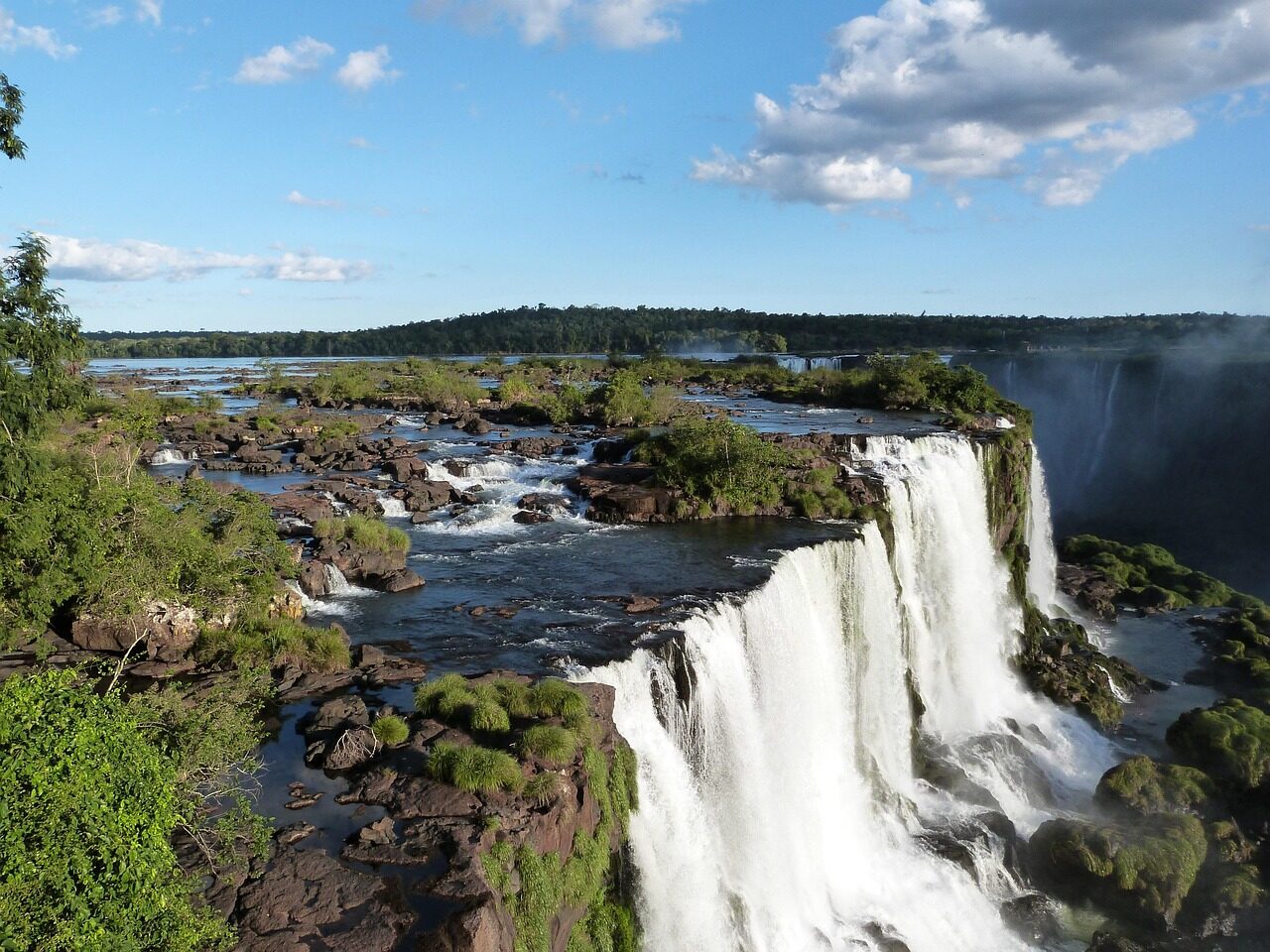

Most visitors need two full days in Foz do Iguaçu, and three is better. This Foz do Iguacu travel guide shows how to split that time between the Brazilian and Argentine sides of the falls, plus the extras that earn a place on the schedule: a bird park, a giant dam and a three-country viewpoint.
Foz is the Brazilian gateway city to Iguazu Falls, in the state of Paraná. It is a practical, mid-sized town with a good airport, plenty of hotels and easy access to the national park. Nearly everything you will do is within a 30-minute drive of the center, so the real planning is about order and timing, not distance.
Where Foz do Iguaçu Is and How to Get There
The city sits where the Iguaçu and Paraná rivers meet, at the point where Brazil, Argentina and Paraguay touch. Across the Iguaçu River is Puerto Iguazú in Argentina, and across the Paraná is Ciudad del Este in Paraguay. That geography explains why a trip here so often involves a passport check.
The city’s international airport is close to the national park, and flights connect it with São Paulo, Rio de Janeiro and several other Brazilian cities. From São Paulo or Rio the flight takes roughly two hours. Overland, the trip takes a full day or more, so most visitors fly and keep buses for regional hops.
The airport is a short drive from downtown and from the hotels along the road to the falls. Taxis and ride-hailing apps are the simplest way in, and city buses also run between the airport, the main terminals and the park. A rental car is rarely necessary, and it complicates any crossing into Argentina.
Most travelers add Foz to a longer Brazil trip rather than building a whole holiday around it. Our two-week Brazil itinerary shows how it fits with Rio, Salvador and the Amazon.
A Foz do Iguacu Travel Guide Itinerary for Three Days
The three days below keep each border crossing and each long outing on its own day. If you only have two days, drop day three and keep the Brazilian side for the afternoon of day one.
Day 1: The Brazilian side and Parque das Aves
Go to Iguaçu National Park soon after it opens, when the walkways are quietest and the light on the water is soft. Spend the morning on the main trail and the Devil’s Throat walkway. Add a boat ride or other extras if you want them.
In the afternoon, visit Parque das Aves, which is right across the road from the park entrance. Finish with an early dinner in town, because the next day starts with a border.
Day 2: The Argentine side
The Argentine national park has more trails and gets you closer to individual falls. Allow a full day, and leave the hotel early. Our guide to Iguazu Falls from the Brazil side versus the Argentina side explains what each side offers and why most people should see both.
Day 3: Itaipu, the triple border and a slower pace
Spend the morning at Itaipu Dam. Then see the Marco das Três Fronteiras, the tri-border landmark, at sunset. Use the middle of the day for a long lunch, a mosque or temple visit, or simply a rest after two heavy walking days.
| Stop | Typical time needed | Best for |
|---|---|---|
| Brazilian side of the falls | Half a day | Panoramic views and photos |
| Argentine side of the falls | Full day | Close-up walkways and longer trails |
| Parque das Aves | 2 to 3 hours | Families and wildlife lovers |
| Itaipu Dam tour | 2 to 3 hours | Engineering and scale |
| Marco das Três Fronteiras | 1 to 2 hours | Sunset and the three-country view |
The Brazilian Side of the Falls, Step by Step
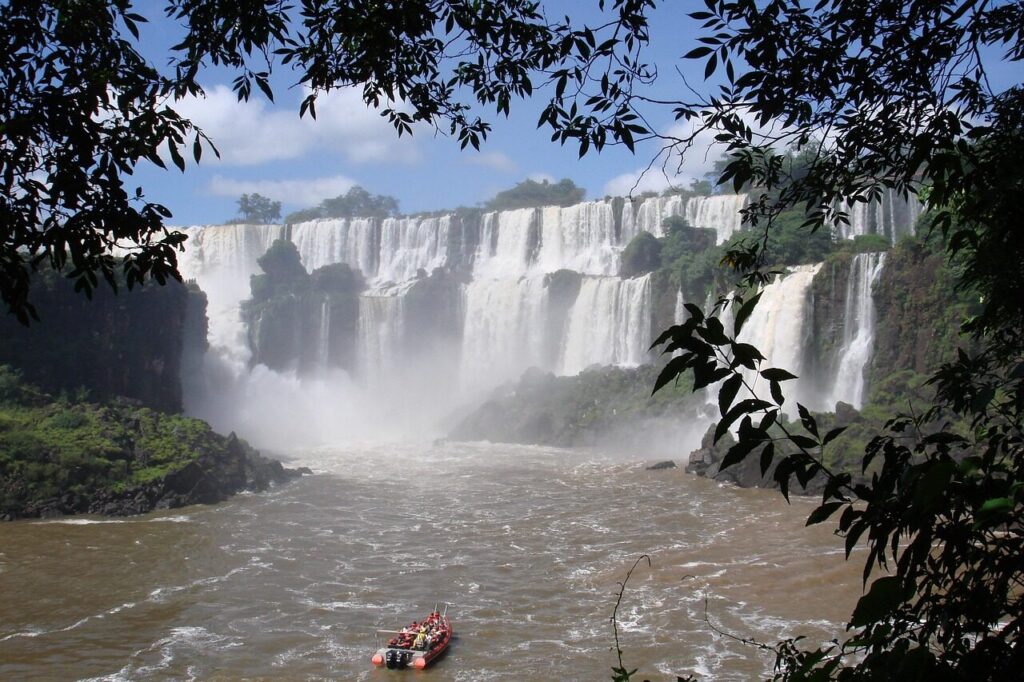
The Brazilian side is the panoramic one. You see the full sweep of the falls across the river, and the layout is simple enough to finish in half a day. Inside the national park, a transport system takes you from the visitor center to the start of the main trail, and you can get on and off at the stops.
The main trail follows the canyon rim and shows the falls in a widening series of views. It ends at the Devil’s Throat walkway, a platform that extends out over the water, where the spray is heavy and the noise is constant. Bring a light rain jacket or poncho and protect your phone, because you will get wet there even on a dry day.
Porto Canoas, a food stop near the end of the route, has a restaurant and snack bar. If you would rather skip a long uphill return, the transport system can take you back from there. Check the signage on the day for the current pickup points.
Optional extras in the park
- Boat ride to the base of the falls. Several operators run speedboat trips that go right up to the spray. You will be soaked, so it is best done when it is warm and you are carrying only waterproof gear.
- Helicopter flight. Short flights leave from near the park entrance. They give a sense of the falls’ scale and the surrounding forest, but they are an extra, not a replacement for walking the trails.
- Hotel das Cataratas. The pink colonial hotel inside the park sits close to the falls. Even if you are not staying there, it is a fine place for a pause and a photo.
Coatis and other wildlife
Coatis, known locally as quatis, are common around the picnic areas and walkways. They look friendly but are quick, and they will tear into a bag to get at food. Keep snacks sealed inside your pack, and do not feed them. Park rules prohibit it, and a scratch or bite is a real risk.
Parque das Aves and Other Stops Near the Park
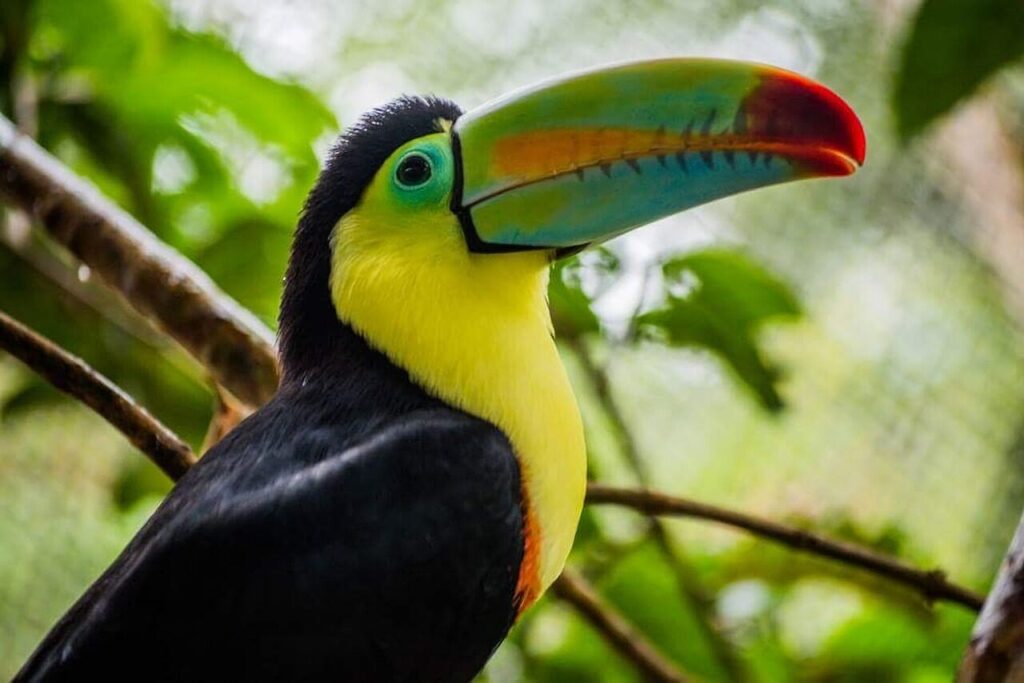
Parque das Aves is a bird park in a patch of Atlantic forest, a few minutes from the national park entrance. You walk through large aviaries where macaws, toucans and other birds fly around you, instead of staring at them through bars. It works best in the afternoon, after the morning rush at the falls, and it suits children and adults equally.
Foz also has a large Arab-Brazilian community, which has left its mark on the city. You can visit the Omar Ibn Al-Khattab Mosque and the Chen Tien Buddhist Temple, both open to respectful visitors. Dress modestly, and check opening times and any restrictions before you go, since visiting hours can vary.
Itaipu Dam and the Triple Border
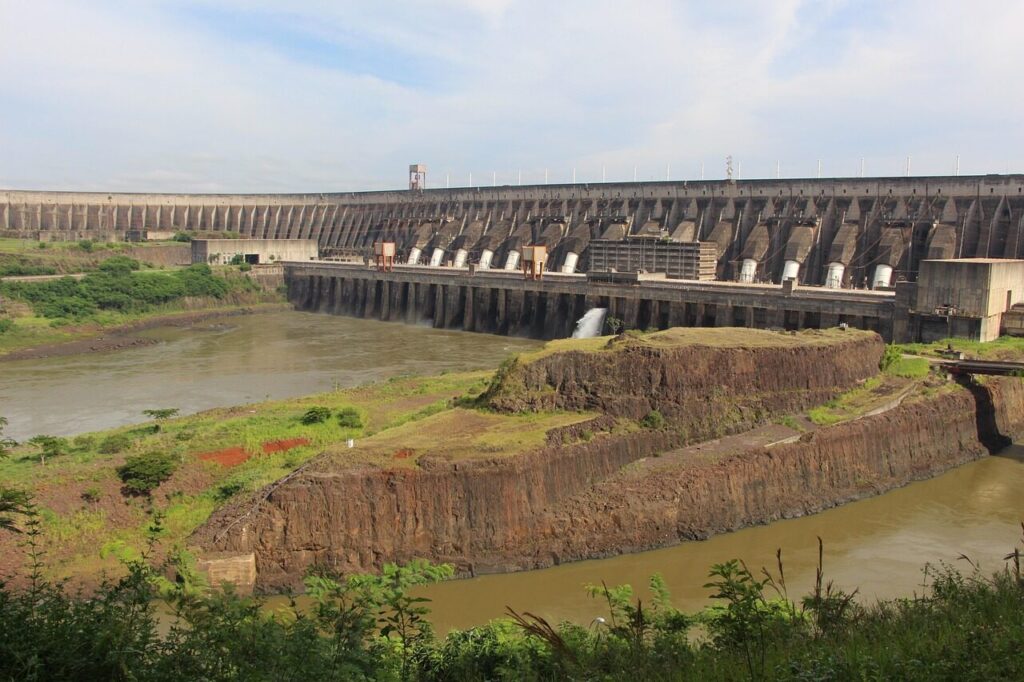
Itaipu is one of the largest hydroelectric dams in the world, built and run jointly by Brazil and Paraguay. A visit is less about technical detail and more about seeing how enormous the structure is. The standard tour includes a panoramic view of the wall and the spillway, and other tour formats go deeper. Book the version that suits your interest and the time you have.
The Marco das Três Fronteiras is a small riverside landmark where you can look across to Argentina and Paraguay. Each country marks its bank with obelisks painted in its national colors. It is best at sunset, when the three skylines catch the light, and there are food stalls and shows nearby in the evening.
Crossing Into Argentina and Paraguay
Crossing into Argentina is routine for tourists. Tours from Foz run the Argentine park as a day trip, or you can use a public bus or taxi. Carry your passport at all times, and expect a quick stop on each side of the border. Allow extra time during holidays, when lines build up.
Entry rules depend on your passport. US, UK and EU citizens can generally visit Argentina for tourism without a visa, but confirm current requirements before you travel. If you need a visa for Brazil, check that it allows re-entry before you cross out and back. US travelers should read our guide to Brazil visa requirements for US citizens, and UK and EU travelers should see Brazil entry requirements for EU and UK travelers.
Ciudad del Este in Paraguay is a different story. It is a huge shopping hub with crowded streets, a lot of electronics and knock-offs, and more petty crime than Foz. Most visitors do not need to go, and if you do, join a guided tour or go with someone who knows the city. Paraguay’s entry rules also differ by nationality, so check them separately. For wider context, see our honest guide on whether Brazil is safe for tourists.
Best Time to Visit and What the Weather Does

Foz has a humid subtropical climate. Summers are hot and sticky with frequent storms, and winters are mild, with some cool mornings and evenings. Rain falls in every season, so pack a light waterproof layer whenever you go.
The water flow over the falls changes through the year and with recent rainfall. After heavy rain the falls are at their most powerful, and sections of walkway can close for safety. In drier spells the flow is lighter and the rock faces show more. Either way, the falls are impressive, so do not plan your trip around a single flow level.
Spring and autumn are the most comfortable seasons for walking. School holidays, Christmas, New Year, Easter and Carnival bring the biggest crowds, so reserve tickets and rooms early for those dates. Our month-by-month guide to the best time to visit Brazil can help you match Foz to the rest of your route.
Where to Stay in Foz do Iguaçu
There are three practical choices, and each suits a different kind of trip.
- Downtown (Centro). This is the best choice for budget travelers and independent visitors. You are close to restaurants, bus terminals and ride-hailing pickups, and there are hostels and mid-range hotels.
- Along the road to the falls. Larger hotels and resorts line the highway between the city and the national park. They are quieter, often have pools, and put you close to the park entrance, but you will depend on taxis or hotel shuttles for dinner.
- Inside the national park. The Hotel das Cataratas puts you steps from the falls and lets you walk the trails at the quietest hours. It is a special-occasion choice, and it books out early.
Some visitors stay in Puerto Iguazú in Argentina instead, especially if the Argentine side is the priority. That works, but it adds a border crossing to every Brazilian-side outing, so most first-timers stay in Foz.
What to Eat in Foz do Iguaçu
Churrascarias are the default big meal. The rodízio format brings skewers of grilled meat to your table until you signal you are done, and a salad bar covers the sides. Several places pair the meal with a stage show of Latin American music and dance, which is touristy but popular with families.
The region’s river fish are worth a try. Surubi, a large freshwater catfish, is often grilled or served in stews. You will also find Paraguayan-influenced snacks such as chipa, a chewy cheese bread, and sopa paraguaia, a dense, savory cornbread. Tereré, cold yerba mate drunk from a shared cup, is a common sight in warm weather.
The Arab community’s influence is clear in the bakeries and snack bars. Look for esfiha, a small baked pastry with meat or cheese, and kibbeh, a fried or baked bulgur and meat roll. They make cheap, quick lunches between sights.
Health, Safety and Money
Foz is generally comfortable for tourists, and the main sights are well organized. Use normal city precautions: keep valuables out of sight, use official taxis or ride-hailing apps at night, and be careful with your phone in crowded areas. The park itself is well patrolled, and the usual risks are slippery walkways and sun, not crime.
Health authorities recommend yellow fever vaccination for the Iguazu region. The vaccine needs to be given well before departure to be effective, so talk to a travel clinic early. Mosquitoes can carry other diseases, including dengue, so bring repellent and wear long sleeves around dusk.
Brazil uses the real, and cards are widely accepted in hotels, restaurants and the national park. Carry some cash for small stalls and taxis. Foreign visitors usually pay a higher park admission than Brazilians, and prices change, so check the official park website before you go. For a wider budgeting view, our neighborhood-by-neighborhood safety guide to Rio is useful if Foz is part of a longer trip that starts there.
Planning Your Visit
Book flights and hotels first, then buy park tickets and any boat or helicopter extras once your dates are fixed. In busy periods, tickets for popular time slots sell out, so do not leave them to the last day.
Pack these items before you leave home:
- Your passport, even for day trips across the border.
- A light rain jacket or poncho and quick-drying clothes.
- Comfortable walking shoes with good grip.
- Sun protection and insect repellent.
- A waterproof pouch for your phone and camera.
Plan the Brazilian side for the first morning, keep a flexible window for weather, and leave one lighter day before your onward flight. That gives you the falls at their best without turning the trip into a race.
Frequently Asked Questions
How many days do you need in Foz do Iguaçu?
Two full days is the minimum to see both sides of the falls without rushing. Three days adds time for Parque das Aves, Itaipu Dam and a relaxed sunset at the tri-border landmark. A one-day stop is possible, but you will only see one side.
Can I visit Iguazu Falls as a day trip from Rio or São Paulo?
It is technically possible, since flights take about two hours, but it makes for a long, tiring day. You would likely see only one side of the falls. An overnight stay, or better two nights, gives you time for both sides and for flight delays.
Do I need a passport to visit the Argentine side?
Yes. You cross an international border, so carry your passport. US, UK and EU citizens can generally enter Argentina for tourism without a visa, but check current rules. Visa holders for Brazil should confirm their permission allows re-entry before crossing.
Is Foz do Iguaçu safe for tourists?
Foz is generally comfortable, and the national park is well run. Use normal city precautions with phones and valuables, especially downtown at night. Ciudad del Este in Paraguay needs more care and is best visited with a guide or not at all.
Do I need a yellow fever vaccine for Iguazu Falls?
Health authorities recommend yellow fever vaccination for the Iguazu area. The vaccine takes time to become effective, so see a travel clinic well before departure. Ask them about other vaccines and mosquito-borne illnesses such as dengue, and bring repellent.
Is the Brazilian side or the Argentine side better?
They offer different experiences. Brazil gives sweeping panoramic views and takes about half a day. Argentina has more trails and gets you closer to individual falls, and it needs a full day. Most first-time visitors see both.